The Dialogue Delusion
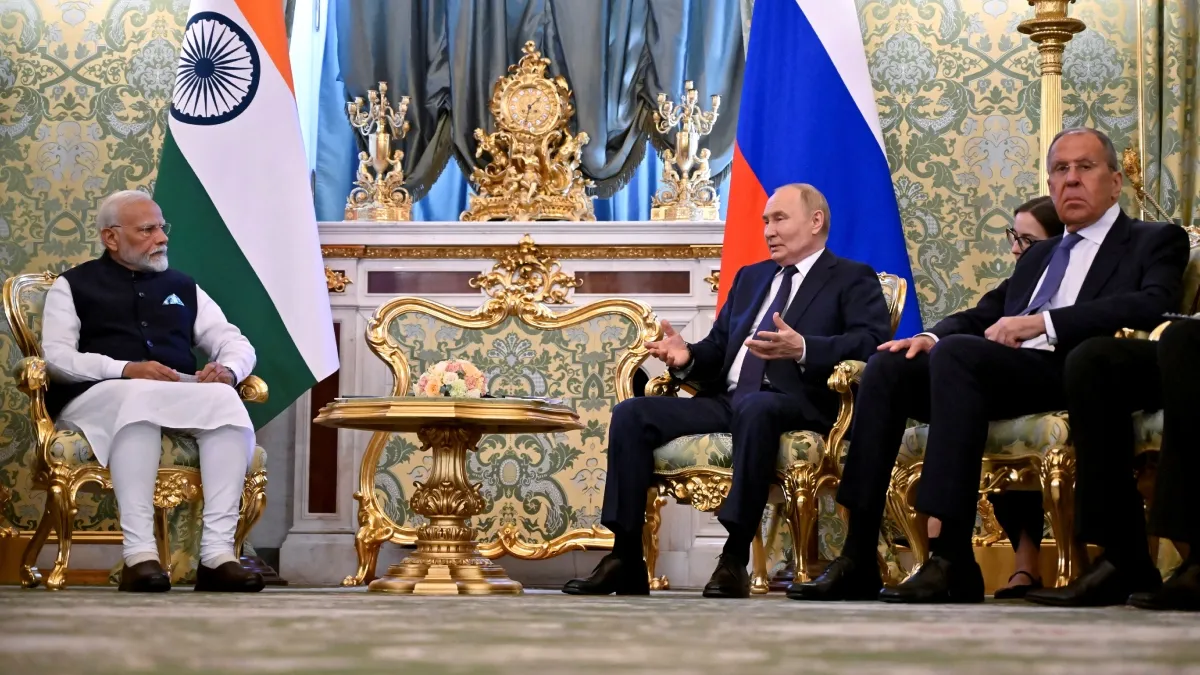
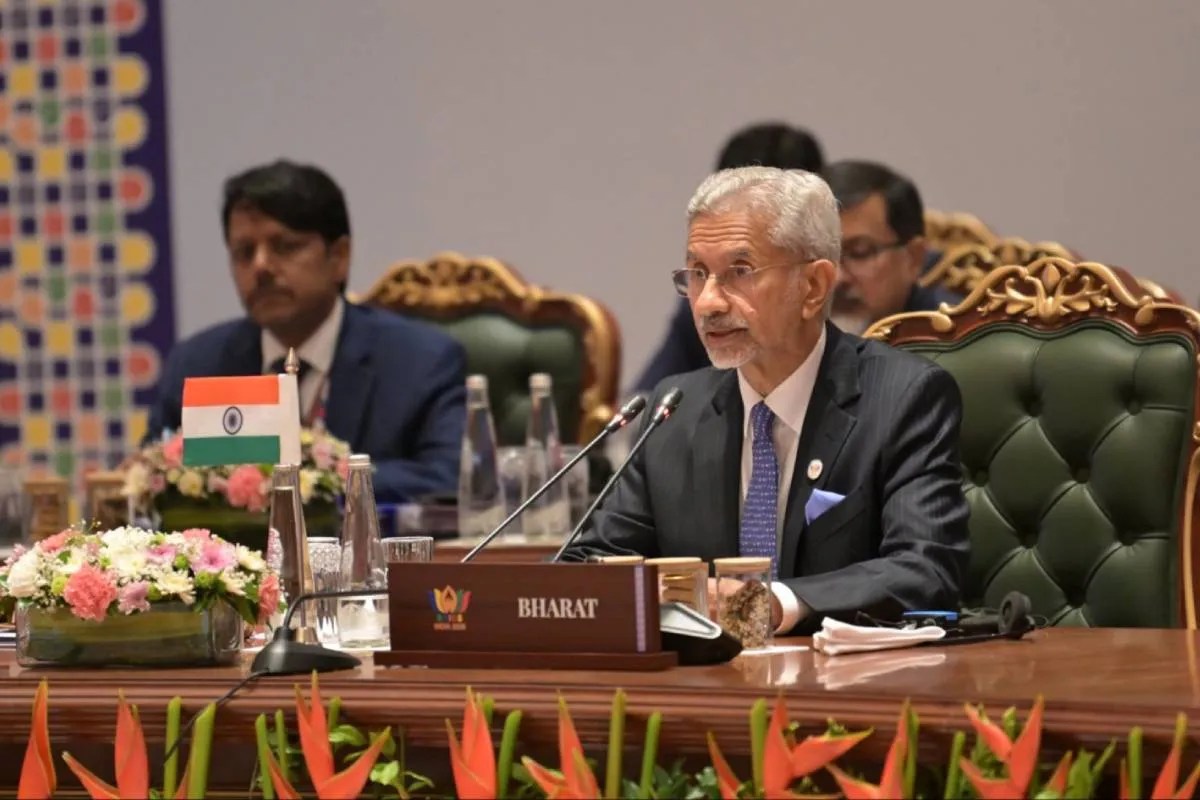
The global diplomatic circuit loves a good script. When External Affairs Minister S. Jaishankar stands up at a BRICS gathering and slams unilateral sanctions while preaching that "dialogue is the only way," the media laps it up like gospel. They call it a masterclass in strategic autonomy. I call it a comfortable fiction.
The idea that talk solves everything is the "lazy consensus" of modern geopolitics. It sounds noble. It looks great on a news ticker. But in the cold reality of shifting power dynamics, dialogue isn't a solution; it’s a placeholder. When we pretend that simply sitting across a table from an aggressor or a trade bully fixes the underlying friction, we ignore the leverage that actually moves the needle.
Let’s be blunt. Sanctions are clumsy, often ineffective, and usually hurt the wrong people. On that point, the Minister is right. However, the obsession with "dialogue" as the silver bullet ignores the fact that most players only come to the table when they have run out of ways to break it.
Sanctions Are Not the Enemy Complexity Is
The standard narrative suggests that the West uses sanctions as a weapon and the Rest of the World suffers as innocent bystanders. This binary is a joke. Sanctions are a symptom of a fractured financial system that India and its BRICS partners are currently trying to bypass, not just out of moral high ground, but out of necessity.
I have watched trade desks scramble when dollar clearing houses shut their doors to specific regions. It’s messy. But the "anger" expressed at these meetings isn't just about fairness; it’s about the massive cost of building a parallel world. We aren't fighting for a world without sanctions; we are fighting to be the ones who decide who gets sanctioned.
The BRICS Paradox
BRICS is often sold as a cohesive bloc challenging the G7. It’s actually a collection of rivals who happen to share a common annoyance with the US Treasury. To suggest that BRICS is a unified front for "dialogue" is to ignore the border skirmishes, trade deficits, and historical baggage between its core members.
- China’s Shadow: You cannot talk about BRICS without acknowledging that it is increasingly becoming a vehicle for Chinese economic expansion.
- India’s Balancing Act: India is trying to sit in two boats at once—the Quad and BRICS. This isn't "strategic autonomy"; it’s a high-wire act where the wire is made of glass.
- The Expansion Trap: Adding more members doesn't make the "dialogue" better. It just makes the room louder and the consensus thinner.
If you think expanding the membership list makes the bloc more powerful, you’ve never tried to manage a board of directors with conflicting agendas. More seats mean more vetoes. More vetoes mean less action.
The Dollar Isn’t Dying It’s Just Getting Picky
The loudest roar from the BRICS summit is usually about de-dollarization. Critics claim the US dollar’s dominance is over because Jaishankar and his counterparts are pushing for local currency settlements.
Here is the truth: Nobody actually wants a BRICS currency.
Imagine a scenario where you have to hold your primary reserves in a basket of currencies controlled by Beijing, Moscow, and Brasilia. The volatility alone would bankrupt half the emerging markets in a week. The push for local currency isn't about replacing the dollar; it's a defensive crouch. It’s about creating enough "plumbing" to survive a sudden cutoff from the SWIFT system.
The math doesn't lie. Even if BRICS nations trade with each other in Rupees or Yuan, they still price their commodities in Dollars. To truly decouple, you don't just need a new currency; you need a new philosophy of value that the rest of the world trusts. We aren't even close to that.
Stop Asking if BRICS is Relevant
People always ask: "Is BRICS the new G20?" or "Can BRICS stop the war?"
These are the wrong questions. They assume that international organizations exist to solve problems. They don’t. They exist to manage perceptions and secure narrow national interests under the guise of "global cooperation."
The real question is: How long can India use the BRICS platform to hedge against Western pressure without becoming a junior partner in a Chinese-led order?
The "dialogue" Jaishankar promotes is a shield. It buys time. It allows India to continue buying discounted oil and maintaining its unique position as the world's swing state. But don’t mistake the shield for the sword.
The Cost of the Middle Path
There is a downside to being the "voice of the Global South" that nobody mentions in the op-eds. When you refuse to take sides and insist on dialogue with everyone, you eventually lose the trust of everyone.
- The West sees the refusal to condemn specific actions as a betrayal of "democratic values."
- The East sees the engagement with the West as a lingering colonial hangover.
- The Global South sees a leader that is more interested in its own seat at the high table than in actually disrupting the system.
I’ve seen middle-market companies try this strategy. They try to sell to everyone and end up with a brand that means nothing. Diplomacy is no different. Eventually, you have to choose a side, or the sides will choose for you.
Actionable Reality Over Rhetoric
If you are waiting for a BRICS communiqué to change your life or your business, you are looking in the wrong direction. The real shifts aren't happening in the "dialogue" rooms. They are happening in:
- Cross-border digital payment linkages (like UPI moving beyond borders).
- Bilateral supply chain agreements that bypass multi-lateral talk shops entirely.
- Energy security deals that are signed in private, far away from the cameras.
The "anger" at sanctions is a performance. The real work is the quiet, grinding construction of alternative financial architecture. It’s not about being "angry" at the system; it's about building a back door.
Minister Jaishankar is a brilliant strategist, but his public-facing rhetoric about dialogue is meant to pacify, not to perform. The world isn't going back to a time where everyone sat in a circle and talked it out. We are entering an era of "Transactional Realism."
In this era, you don't talk because you want peace. You talk because you haven't finished building your weapons yet.
Get used to the noise. It’s the sound of the old world cracking, and no amount of "dialogue" is going to glue it back together.
Build your own bridge. Don't wait for the committee to approve the blueprints.