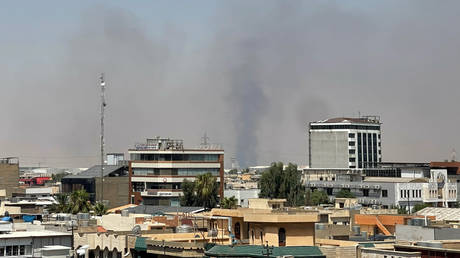
Tensions in the Middle East just hit another shipping lane hard. Iranian forces boarded and seized a damaged oil tanker in the Strait of Hormuz. The vessel, the Dynacom-managed tanker, was already dealing with the aftermath of an onboard fire when the interception happened.
You cannot ignore this. When maritime chokepoints become active zones, energy markets react instantly. Insurance rates spike. Crews refuse to sail. It's a mess.
Let's break down what actually happened, why this specific route matters so much, and what smart operators are doing right now to protect their assets.
The Reality of the Strait of Hormuz Chokepoint
Geopolitics dictates trade. Roughly a fifth of the world's petroleum passes through this narrow stretch of water daily. When a tanker gets seized here, the shockwaves travel fast from London boardrooms to Singapore trading desks.
The Dynacom vessel wasn't targeted out of nowhere. It was already vulnerable. Dealing with an engine room fire or a deck blaze is stressful enough. Adding armed boarding parties to that scenario turns a safety hazard into a geopolitical crisis.
Here is what most casual observers miss: ships don't just drift through these waters. They are tracked, scrutinized, and often caught in regional standoffs. Iranian authorities routinely claim vessels violate environmental regulations or territorial boundaries when they make these moves. Whether those claims hold water legally matters less than the physical reality on the ground. Troops are on decks. Cargo is locked down.
Why Tanker Management Is Facing a Nightmare
Managing a fleet right now is exhausting. Captains and chief engineers face impossible choices. Do you transit the Persian Gulf and risk detention? Or do you anchor up and lose thousands of dollars a day in charter hire?
Dynacom found out the hard way that mechanical trouble makes you an easy target. If you're dead in the water or moving at slow speeds, you lose your defensive mobility.
- Vulnerability Multipliers: Fire damage reduces steering and comms reliability.
- Response Times: Coalition warships can't be everywhere at once.
- Legal Limbo: Once a flag state loses control of a boarded vessel, getting it back takes months of diplomatic wrangling.
I've spoken with marine risk consultants who say operators are completely rewriting their emergency playbooks. Standard safety procedures used to focus on firefighting, flooding, and pirate attacks. Now, security teams must treat regional state actors as immediate operational variables.
What Fleet Operators Must Do Immediately
You can't sit back and hope for de-escalation. Hope is not a risk management strategy. If your vessels operate anywhere near the Arabian Gulf, you need to execute specific operational pivots today.
First, upgrade your real-time tracking redundancy. Make sure your long-range identification and tracking systems work independently of main power, especially after a fire or electrical failure. If an Iranian patrol boat approaches a crippled ship, maritime authorities need exact coordinates instantly.
Second, review your armed security protocols. Private guards have strict rules of engagement when dealing with national military forces. They cannot shoot at official state coast guard or naval personnel without triggering an international war. Relying solely on private security contractors in state-level boardings provides zero physical protection. Intelligence and avoidance are your only real shields.
Third, audit your insurance policies for war risk surcharges. Underwriters are pricing these incidents into every voyage. If you haven't locked in your premiums, your profit margins are about to vanish.
The maritime industry moves slowly by design. Tradition rules the waves. But this latest incident proves that old playbooks are completely broken. Adapt your routes, harden your communications, and assume that every mechanical failure in a high-risk zone is an open invitation for trouble.