The maritime stand-off in the Middle East just took a wild, unpredictable turn. If you've been trying to keep up with the dizzying headlines, nobody would blame you for having some serious whiplash. Within a span of twenty-four hours, the White House announced a massive naval blockade, proposed a shocking 20% global shipping tariff, and then abruptly scrapped the toll after a flurry of panicked phone calls from Gulf allies.
Meanwhile, bombs are falling, oil tankers are burning, and the fragile peace deal that was supposed to prevent an all-out war is officially dead.
If you are a shipper, an investor, or simply someone trying to figure out why your gas prices are suddenly creeping up again, here is exactly what is happening in the Strait of Hormuz—and what it actually means for the global economy.
The 24 Hour Flip Flop on the 20 Percent Fee
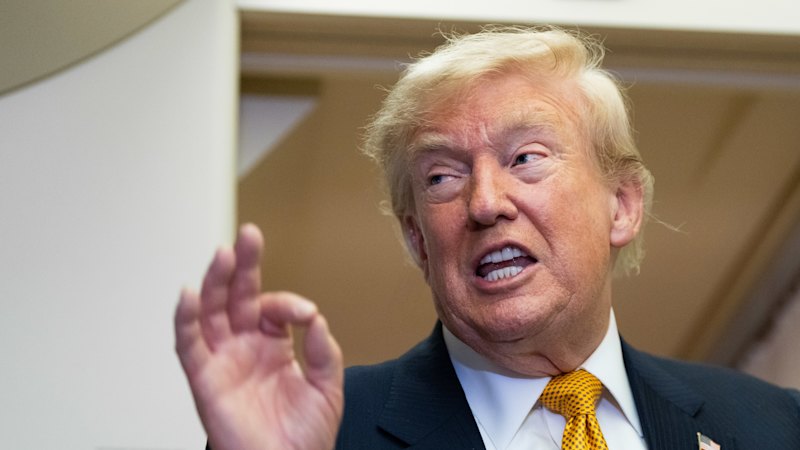
On Monday, President Donald Trump declared the United States the official "Guardian of the Hormuz Strait". Along with reinstating a hard naval blockade on Iranian shipping, he announced a plan to charge a 20% "United States Reimbursement Fee" on all cargo transiting the waterway to cover American security costs.
To say the shipping industry panicked is an understatement.
At current oil prices, a 20% fee would have added a staggering $24 million to $30 million to the cost of a single fully laden very large crude carrier. Industry experts and legal scholars immediately pointed out that charging ships for safe passage through an international strait is flatly illegal under maritime law. Even Trump’s own Secretary of State, Marco Rubio, had previously declared that no country is allowed to levy tolls on international waterways.
By Tuesday afternoon, the toll was dead.
Trump took to social media to announce he was backing away from the fee. He claimed that "kings and emirs" from the Gulf states called him directly, offering a different way out. Instead of a direct shipping toll, these Gulf nations have apparently promised "massive" new trade and investment deals inside the United States.
It’s classic Trump transaction-based foreign policy. But while the immediate threat of a multi-million dollar American toll has evaporated, the security situation in the water has never been more dangerous.
Why the Ceasefire Collapsed
The current escalation has completely destroyed the interim ceasefire agreement signed just last month. That deal was supposed to buy negotiators 60 days to hammer out a permanent settlement to the war and address Iran's nuclear program. Instead, we are right back to the brink of total conflict.
The collapse didn't happen in a vacuum. Here is how the situation deteriorated so quickly over the last week:
- The Spark: Iran attempted to assert absolute control over the strait, demanding its own transit fees and attacking commercial vessels that refused to comply.
- The Tanker Attacks: Over the past week, Iranian forces targeted seven commercial ships. This included devastating missile strikes on the tankers Mombasa and Al Bahiyah off the coast of Oman, which left one mariner dead and several others wounded.
- The US Response: Rejecting Iran’s claims of authority over the international channel, the U.S. military launched a massive wave of airstrikes targeting Iranian coastal defenses, drone sites, and missile installations.
Right now, the United States military says it is actively escorting commercial vessels through the strait. However, real-time tracking data paints a much grimmer picture. Vessel traffic through the primary artery has plunged by more than 50%. Most commercial operators simply aren't willing to risk running a gauntlet of anti-ship missiles and suicide drones, regardless of who claims to be guarding the waters.
The Massive Economic Fallback
You can't plug a major global choke point without feeling the pain at the pump and in retail stores. During peacetime, roughly 20% of the world's petroleum and liquefied natural gas flows through this narrow, 21-mile-wide stretch of water.
While oil prices spiked 5% on the initial news of the blockade, they have since hovered in a highly volatile range. But the real issue isn't just the price of crude; it’s the soaring cost of logistics.
Shipping Route Costs (Standard Tanker)
--------------------------------------------------
Pre-War Baseline Transit Cost:  ~$1.5M - $2.0M
With Proposed 20% US Fee:        ~$18M - $30M (Scrapped)
Current War-Risk Insurance:     Surged by up to 400%
Alternative Route (Africa):     Adds 10-14 days & ~$1M in fuel
Because of the active combat zone, war-risk insurance premiums for ships entering the Persian Gulf have skyrocketed. Some shipping lines are bypassing the Middle East entirely, choosing to sail all the way around the southern tip of Africa. That detour adds nearly two weeks to transit times and millions of dollars in extra fuel costs, which will ultimately be passed down to consumers in the form of higher prices for everything from plastics to agricultural fertilizers.
What Shippers and Investors Should Do Next
If you have capital tied up in energy, logistics, or global retail, you can't afford to treat this as just another temporary geopolitical blip. The reality is that the era of secure, friction-free passage through the Middle East is on pause for the foreseeable future.
First, expect continued regional retaliation. Following the U.S. airstrikes, explosions were reported in several major Iranian port cities, including Bushehr and Bandar Abbas. In response, regional U.S. allies like Bahrain and Jordan have had to activate their air defenses to intercept retaliatory Iranian missiles. The risk of a miscalculation drawing regional heavyweights into a direct, declared war is incredibly high.
Second, prepare for ongoing supply chain delays. If your business relies on components or materials shipped via the Indian Ocean, you need to actively diversify your logistics routes now. Do not assume the strait will magically open back up next week.
Finally, keep a close eye on those promised "investment deals" Trump negotiated with the Gulf states. If these billions of dollars flow into U.S. manufacturing, infrastructure, and defense sectors as promised, it could spark a domestic construction boom. But until those contracts are signed, the shipping industry remains in dangerous, uncharted waters. Secure your supply chains, hedge your energy exposure, and expect more volatile headline-driven market swings in the days ahead.