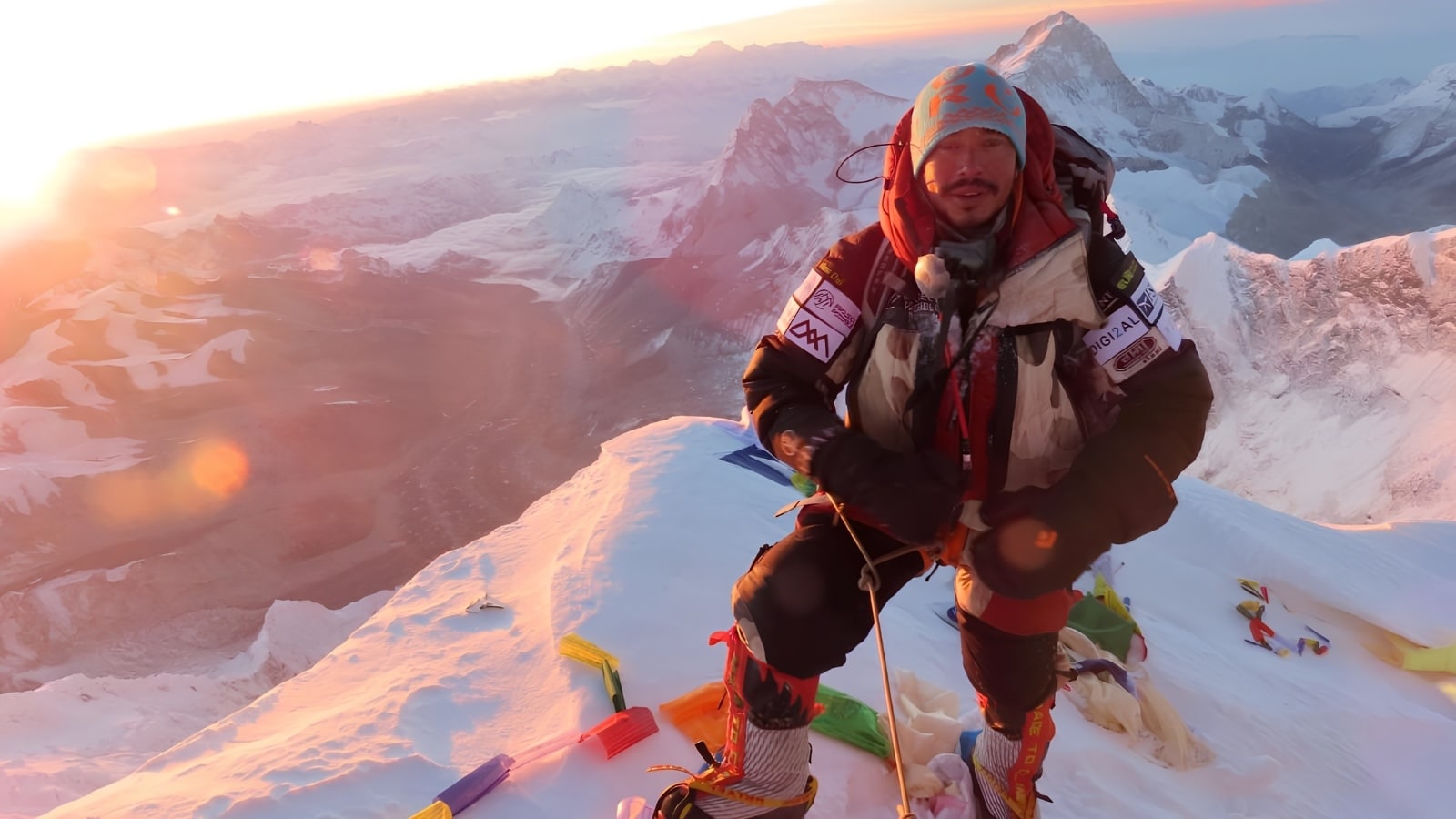
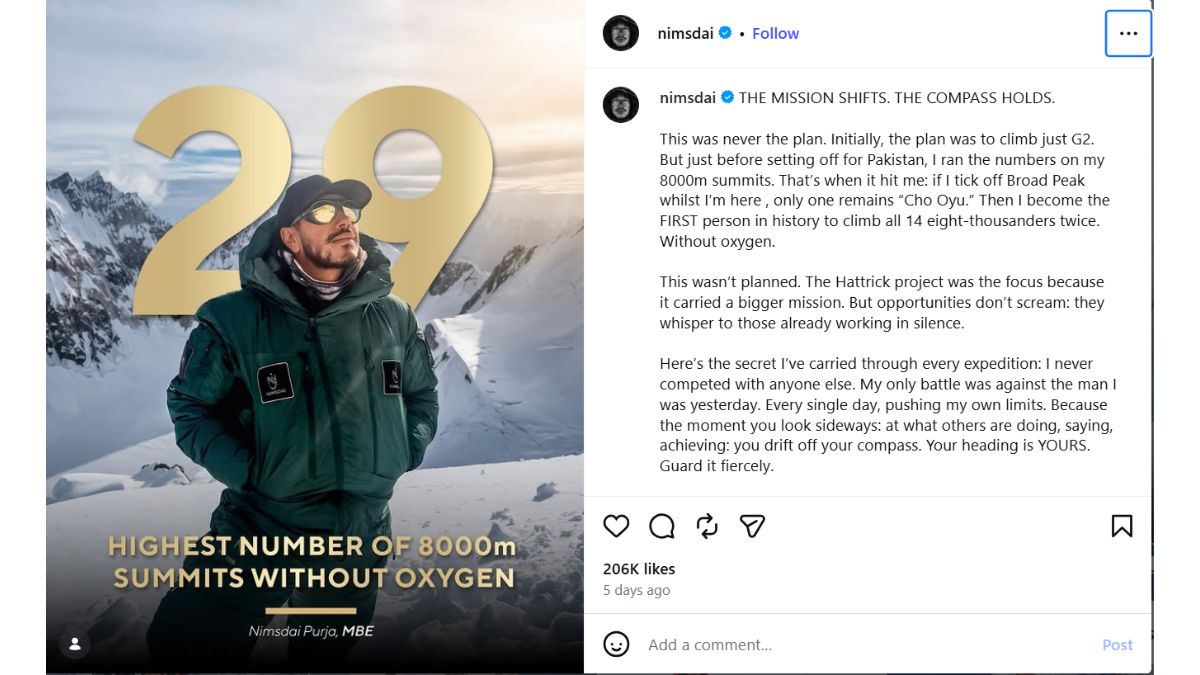
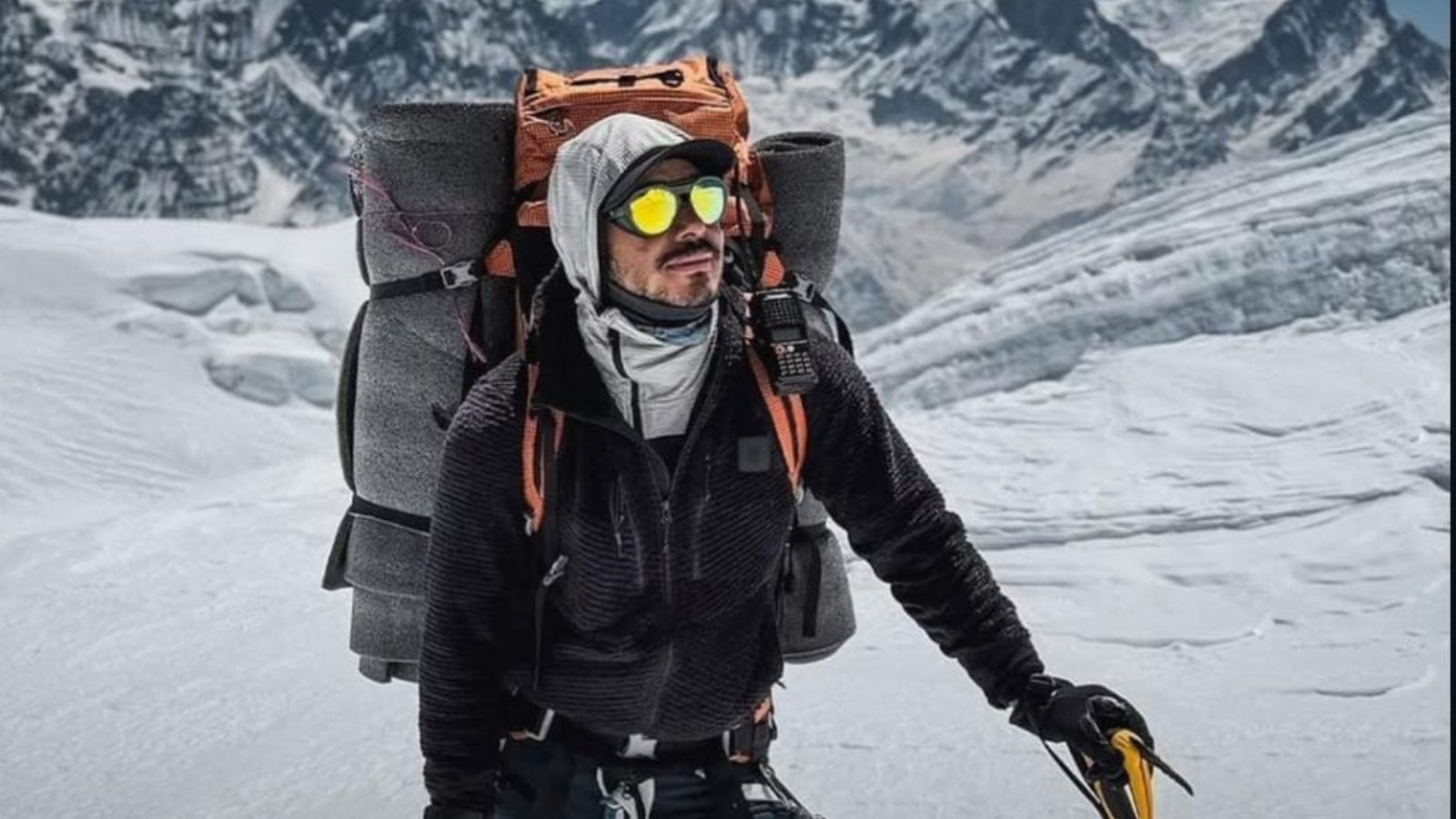
Every time a big-name climber drops off a ridge or gets buried under blue ice, the internet turns into a collective prayer circle. We get the same tired eulogies, the same breathless reporting about the brutal majesty of the mountains, and the same hollow declarations that they died doing what they loved.
It is comfortable fiction. It lets us look at extreme risk through a soft-focus lens.
When a commercial titan like Nirmal Purja or any elite high-altitude specialist hits the headlines for a fatal accident in places like Pakistan or the broader Karakoram, the lazy consensus immediately follows a predictable script. We are told the mountains are unforgiving. We are told nature is a force beyond human control. We are told these athletes are tragic heroes caught in a war against gravity and weather.
That narrative is a comforting lie. It completely misses the systemic mechanics driving modern commercial mountaineering into the ground.
I have watched operators scale operations up, push marginal windows, and chase social media algorithms right to the edge of catastrophe. I have seen marketing budgets prioritize aesthetics over safety margins. When the system breaks and an avalanche sweeps a slope, nobody wants to look at the economic engine behind the ropes. They want to look at the clouds.
Let us strip away the mythology and look at the brutal logistics of high-altitude risk management.
The Commercialization Trap
The mainstream narrative treats elite climbers as lone wolves battling the elements. That perspective is decades out of date. High-end mountaineering operates as a high-stakes tourism and media enterprise.
When you commercialize an 8,000-meter peak, you introduce perverse incentives. Sponsors demand content. Clients demand summits because they paid six figures for a line on their resume. Media platforms demand real-time updates from the death zone. Every single one of these pressures erodes safety margins.
The math is unforgiving. When you compress timelines to fit a weather window for a large team, you take risks that an independent, solitary climber would never touch. You rely on fixed ropes jammed with traffic. You rely on supplementary oxygen to mask the creeping signs of physiological failure. You push through marginal conditions because turning back means missing the seasonal window, and missing the window means financial ruin for small operators or broken contracts for sponsors.
We talk about the weather as if it is an unpredictable variable. It is not. Weather forecasts in the Karakoram and the Himalayas are sophisticated now. The failure is rarely a lack of meteorological data. The failure is the decision-making framework applied to that data under commercial duress.
Dismantling the Hero Myth
We need to talk about agency.
The public wants to view elite mountaineers as immortal figures who chose a path entirely outside normal human accountability. If they survive, they are legends. If they perish, they are martyrs to adventure.
This is deeply patronizing. Professionals operating at the top tier of this industry know the probabilities. They understand barometric pressure, slope stability, serac collapse, and avalanche mechanics better than anyone. When an accident occurs, reducing it to a tragic roll of the dice strips these athletes of their professional competence.
Imagine a scenario where an airline pilot ignores clear mechanical warnings or flies directly into a severe storm front to keep schedule, resulting in a fatal crash. We do not blame the clouds. We investigate the airline, the management pressure, and the pilot's decision matrix. We demand accountability.
Yet, in high-altitude mountaineering, pointing out a catastrophic tactical error or a compromised risk assessment is treated as bad form. We wrap ourselves in the blanket of respect for the dead, as if honesty dishonors memory. It is the exact opposite. Real respect means analyzing what went wrong so the next team does not repeat the exact same sequence of fatal mistakes.
The Brutal Reality of the Death Zone
Let us define the variables clearly. The death zone begins around 8,000 meters. At that altitude, the human body is in a state of terminal decline. Every breath takes more energy than it yields. Cognitive function drops. Decision-making resembles mild intoxication.
Under those conditions, small errors compound instantly. A delay of two hours at a bottleneck because a commercial team is moving slowly is not an inconvenience; it is a lethal exposure extension.
When an avalanche hits, people point to the wall of snow. They do not point to the human traffic jam three hundred meters below a hanging glacier that caused the delay in the first place. They do not point to the decision to push forty people up a funnel when the snowpack was crying out under a rising temperature gradient.
The industry loves to blame objective danger because objective danger has no liability. You cannot sue a mountain. You cannot audit an avalanche. But you can audit the decisions that put human beings in the path of that avalanche when the red flags were waving in neon lights.
What Real Risk Mitigation Looks Like
If we want to stop writing these same eulogies every few seasons, we have to change how we talk about, fund, and manage extreme ascents.
- Separate Media from Mountaineering: The moment a live stream or a sponsored content quota dictates movement on a technical mountain, safety is compromised. True exploration requires the freedom to retreat without a social media mob calling you soft.
- Redefine Success: As long as the summit is the only metric that matters, people will die for it. We need a culture that values turning back at 8,200 meters because the conditions are garbage just as much as we value standing on the apex.
- Stop Masking Physiological Warning Signs: The reliance on heavy bottled oxygen networks to drag underprepared clients and exhausted guides through marginal windows creates a false sense of security. It turns the mountain into an amusement park ride with a lethal drop.
The mountains are not malicious. They are just indifferent blocks of rock, ice, and wind. They do not care about your brand, your follower count, or your summit certificate.
Stop blaming the avalanche. Start looking at the choices made long before the first snowflake fell.