The headlines are breathless. Washington drops the hammer on an Indian travel firm, painting a picture of international intrigue, shadowy military pipelines, and high-stakes aviation maneuvering. The lazy consensus across the media landscape treats the blacklisting of Skiez Travels and Logistics Private Limited as a massive coup against an elite logistics cell feeding the Islamic Revolutionary Guard Corps.
It is a comfortable narrative for bureaucrats. It misses the gritty reality of how periphery commerce actually operates in fragmented regional markets. You might also find this similar coverage interesting: Why The Red Sea Transit Fee Panic Is Complete Nonsense.
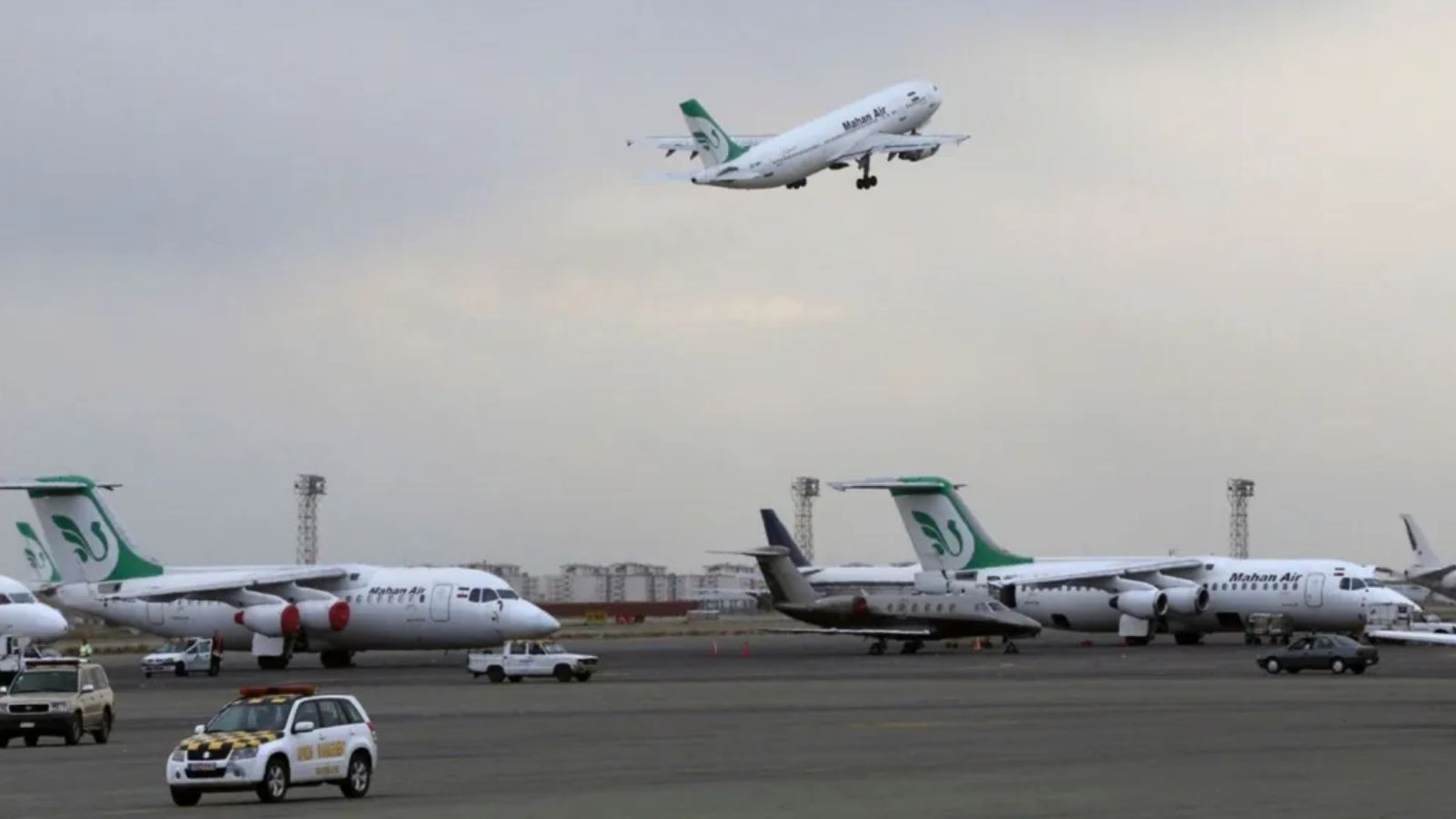
Let us look at the mechanics. Skiez Travels started operating as a general sales agent for Mahan Air back in 2020. In the dry language of international commerce, a general sales agent handles ticket sales, customer support, and local communication with freight forwarders. They are glorified travel brokers. They sell seats and manage bookings in local currency.
To pretend that a boutique booking agency tucked away in Srinagar and Delhi functions as a master architect of Middle Eastern proxy warfare is an exercise in analytical laziness. As discussed in recent articles by Bloomberg, the results are widespread.
The Mirage of Compliance and the Reality of Secondary Coercion
The United States Department of the Treasury, under Secretary Scott Bessent, relies on a blunt instrument: secondary sanctions. The official stance is straightforward. Anyone providing commercial, logistical, or financial support to Mahan Air helps sustain a designated entity.
Here is what the standard commentary ignores. For regional agencies operating outside Western financial loops, the US dollar system is already a secondary consideration. When you look at trade flows between South Asia and West Asia, local companies build survival models around alternative bilateral payment channels, regional currency swaps, and localized ticket distribution.
Blaming a ticket aggregator for keeping a multi-decade airline operational is like blaming a local petrol station owner for global oil price spikes. Mahan Air has survived decades of American and European Union restrictions because sovereign air corridors, bilateral aviation agreements, and regional demand do not run on Washington office hours.
Imagine a scenario where an enterprise in a developing market refuses every single carrier flagged by the Office of Foreign Assets Control. Within six months, local connectivity dries up, specialized trade routes collapse, and the business shuts its doors. Compliance in this context is not a moral choice; it is an economic luxury. Small-scale operators take calculated risks on marginal carriers because mainstream legacy airlines ignore niche routes entirely.
Defining the True Cost of Extraterritorial Reach
Let us define the core terminology accurately. A general sales agent is not an airline owner, nor is it a maintenance provider for military hardware. It is a commercial intermediary. Treating a sales agent as a co-conspirator in state-sponsored security operations stretches the definition of material support until it snaps.
The US Treasury lists multiple entities alongside Skiez, including firms in China and Russia like Shanghai Wings International Logistics and Air Cargo Pro Limited. Notice the common denominator. These are all nodes in non-Western commercial corridors. They provide the logistical grease that allows trade and passenger transit to bypass Western choke points.
When Washington targets these peripheral entities, the goal is not to stop a flight. The goal is signal politics. It is designed to scare away secondary banking partners, insurance underwriters, and local software providers.
The downside of this approach is severe. It creates a parallel corporate ecosystem where compliance becomes impossible to verify, pushing legitimate regional commerce further into informal, untraceable shadow markets. By squeezing localized actors out of the formal economy, regulators achieve the exact opposite of transparency. They breed total opacity.
The Uncomfortable Truth About Regional Aviation
If you want to understand why firms like Skiez take on high-risk airline accounts, look at the margin pressures facing independent travel agencies. Major global distribution systems are dominated by western conglomerates. Independent agencies carving out a niche in Central Asian, Middle Eastern, and South Asian corridors must partner with non-aligned or heavily sanctioned carriers to survive.
The mainstream press wants you to believe that every ticket sold for an Iranian carrier is a direct contribution to drone manufacturing. The data shows a much more mundane reality: migrant workers, traders, students, and families trying to travel across borders that have been militarized by superpowers.
Stop treating routine regional logistics as an existential frontline. The real story is not about an Indian travel firm punching above its weight in global terrorism. It is about the total weaponization of global booking systems, where selling a plane ticket can instantly transform a local travel broker into an international fugitive.