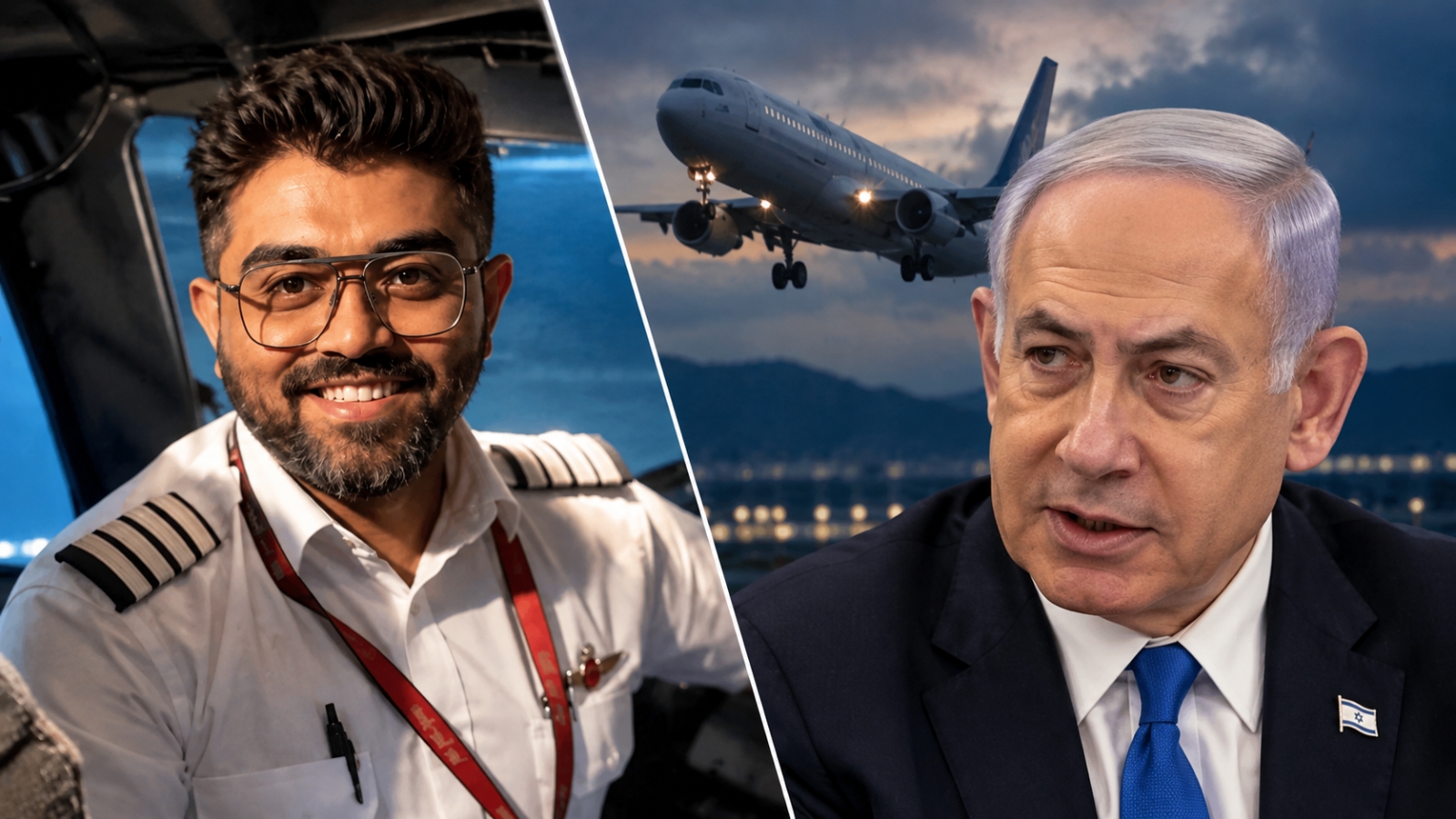
The lazy consensus across global news desks is that the survival of Flydubai Flight 1073 stands as a shining testament to modern aviation resilience. Pundits love a clean narrative: an insider turns rogue with an emergency crash axe, the captain takes a brutal depressed skull fracture, the plane plummets 20,000 feet, and human heroism saves the day. Headlines beam about Captain Smit Machchhar being transferred from Saudi Arabia to advanced medical care in Abu Dhabi, turning political leaders into commentators and wrapping a near-catastrophe in the comforting flag of exceptionalism.
It is a comforting lie.
We are treating a systemic architectural failure of the modern flight deck as an inspirational movie script. The fact that a commercial flight crossing the Middle East came within seconds of total structural disintegration because one person decided to grab a heavy steel tool stored openly in the workstation is not a victory for cockpit security. It is an indictment of an industry that refuses to acknowledge how vulnerable two people locked in a reinforced steel box really are.
The Myth of the Bulletproof Fortress
Ever since the regulatory panic that followed historical hijackings, commercial aviation doubled down on a single strategy: lock the door, fortify the barrier, and trust the crew inside implicitly. This binary paradigm assumes that threats always originate from the cabin. It completely ignores the statistical and operational reality of the insider threat.
When you seal two human beings in a cramped, high-stress tube for hours on end, you create a pressure cooker. Aviation authorities spend billions on biometric screening, background checks, and psychological profiling. Yet, they leave heavy steel crash axes bolted to the cockpit wall within arm's reach of both seats.
Imagine a scenario where a disgruntled or radicalized crew member does not need to smuggle a weapon past airport security because the airline conveniently provides a lethal bludgeon behind the captain's left shoulder.
Captain Machchhar did not survive because the system worked. He survived despite the system failing him completely. He took repeated blows to the head, suffered severe cranial trauma, and had to physically claw his way to the door release while the aircraft was hurtling earthward at over 600 miles per hour. If a flight depends on a pilot sustaining a fractured skull and still summoning the superhuman physical strength to unlock a jammed deadbolt while actively bleeding out, your security architecture is broken.
Why Technical Fixes Beat Emotional Heroism
The media wants to talk about national honors, phone calls from prime ministers, and bedside visits from royalty. None of that prevents the next iteration of this exact scenario.
Aviation safety was never built on hoping people are heroic. Aviation safety is built on redundancy, fail-safes, and removing single points of failure. Every time we praise an individual for surviving an avoidable structural flaw, we let regulators off the hook.
Consider what actually needs to happen to fix this exposure:
- Relocate Emergency Tools: Heavy crash axes and crowbars do not belong unsecured in the cockpit. They should be stowed in tamper-evident, passenger-cabin compartments or secured behind dual-authentication release codes that require confirmation from ground control or the entire cabin crew.
- Autonomous Override Triggers: If a cockpit experiences an unacknowledged steep descent coupled with transponder squawks for unlawful interference, automated flight computers should possess the capability to lock out erratic manual inputs and stabilize altitude until remote diagnostics can verify crew status.
- Continuous Behavioral Monitoring: Relying on one-off pre-employment screenings is lazy. Cockpit crew monitoring systems must track physiological and cognitive distress signals in real-time, flagging anomalies long before an axe swings.
The Uncomfortable Truth About the Human Element
We romanticize the cockpit brawl because it fits a cinematic template. We like stories where the good guy beats the odds. But I have watched organizations waste millions of dollars on cultural morale initiatives while ignoring glaring physical vulnerabilities right in front of them.
Captain Machchhar’s recovery and the subsequent state honors are well-deserved tributes to his immense personal grit. But let us stop pretending that a bloodied pilot fighting his own co-pilot over a control yoke is the price of doing business in the skies. Until airlines treat the flight deck as a mutual mistrust zone rather than a sacred brotherhood, we are just waiting for the next plunge.
This video provides an in-depth medical and contextual breakdown of the severe head injuries captain Smit Machchhar sustained and survived during the cockpit attack.