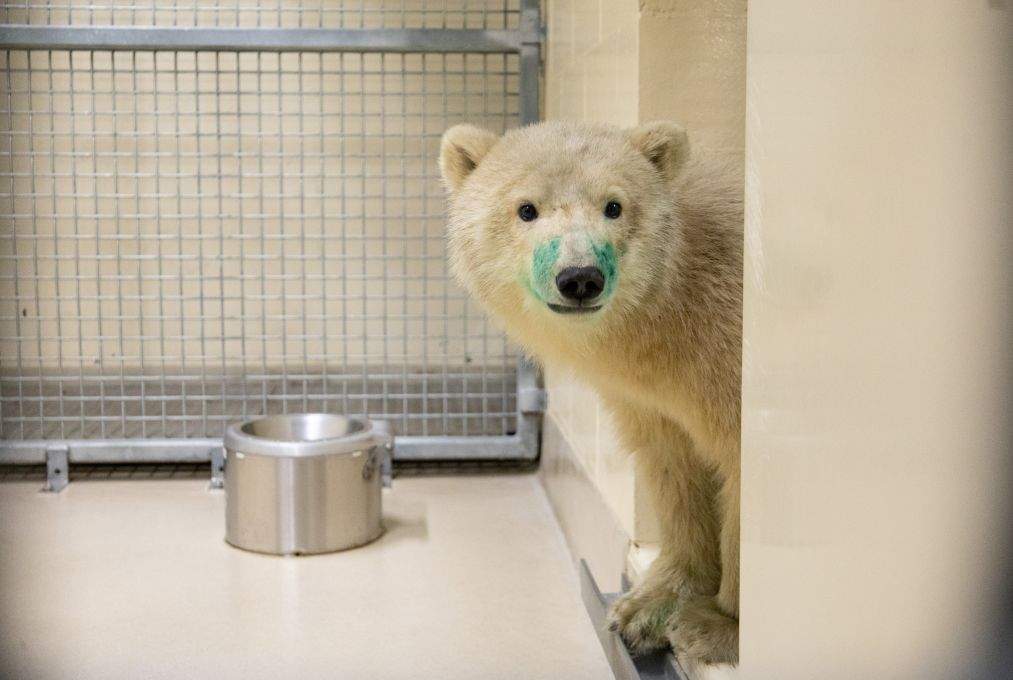
The conservation establishment loves a good sob story. Take the standard playbook for an orphaned polar bear cub plucked from the harsh tundra and shipped down south. The headlines write themselves. The zoo calls the animal an ambassador. The public buys a ticket, feels a momentary spike of ecological grief, and walks away convinced they just contributed to saving a species.
It is a convenient fiction.
I have watched institutional PR machines turn wildlife extraction into a masterclass in emotional manipulation. Zoos do not take in these animals out of pure, unadulterated altruism. They take them in because a fluffy white cub is a cash injection. It fills the turnstiles. It shields the facility from the growing, uncomfortable reality that keeping apex predators in concrete enclosures for human entertainment belongs in the nineteenth century.
Let us strip away the sentimentality. Churchill, Manitoba, sits at the intersection of human expansion and polar bear migration routes. When a cub loses its mother, conservationists face a binary choice. Leave it to nature, which sounds cruel but maintains the ecological integrity of the population, or intervene, strip the animal of its wildness, and sentence it to four decades behind glass.
The lazy consensus says intervention is always moral because life is precious. That logic falls apart the second you examine the outcome. You are trading a quick, natural death in the wild for a lifetime of sensory deprivation, psychological stunting, and performance.
The Myth of the Conservation Ambassador
Call it what it is. An exhibit.
Zoos hide behind the word ambassador to sanitize captivity. They argue that a visitor staring at a bear pacing in a chilled concrete pool will somehow walk out inspired to slash their carbon footprint. There is zero empirical evidence supporting this. People do not leave the polar bear enclosure and run home to install solar panels. They leave with a smartphone full of photos and an endorphin rush.
Think about the psychological toll on the animal. A polar bear's natural home range spans thousands of square miles of shifting sea ice. Their evolutionary drive is wired for perpetual motion, hunting, and exploration. Confining that animal to an enclosure—even a state-of-the-art million-dollar facility designed by architects who have never spent a day on the tundra—is a form of chronic cruelty.
When facilities like Assiniboine Park Zoo take in these animals, they secure a decades-long marketing asset. The bear becomes a distraction from the harder, unglamorous work of actual conservation: fighting industrial encroachment, managing greenhouse gas emissions, and protecting fragile Arctic ice cover. You cannot buy a t-shirt to support a melting ice floe, but you can buy a plush toy in the gift shop.
The Economics of Extraction
Let us look at the financial mechanics behind these rescue operations. Transporting a wild carnivore thousands of miles requires specialized crates, veterinary teams, security protocols, and corporate sponsorships. Millions of dollars change hands.
I have seen organizations scramble for funding whenever a high-profile animal rescue makes the news cycle. That same capital could fund anti-poaching patrols, indigenous-led land management, or community coexistence programs in Churchill that actually keep bears and humans apart in the wild. Instead, the money funnels into urban enclosures to pay for climate control systems that keep Arctic animals alive in the temperate plains of Manitoba.
The defense from zoo administrators is always the same: if we do not take the cub, it dies.
True. Nature is brutal. Cubs die. Starvation, predation, and harsh weather are constants in the Arctic. But intervention replaces a natural death with an unnatural, commodified life. We are keeping animals alive simply because we possess the technological capability to do so, without ever asking whether we should.
The Science of Captive Stress
Critics of my stance accuse me of lacking empathy for individual animals. The reverse is true. My objection stems from a deep respect for what a polar bear actually is.
Zoological researchers have documented stereotypic behaviors in captive bears for decades. Pacing, head-bobbing, self-mutilation, and excessive swimming in tight, repetitive loops are standard responses to chronic stress and boredom. Enrichment programs—hiding fish, spraying scents, changing up the enclosure furniture—are band-aids on a gaping wound. You cannot enrich a concrete box into an ecosystem.
When institutions brand these animals as educators, they obscure the pathology of captivity. They teach children that it is acceptable to cage wild intelligence for our own amusement, provided the enclosure has a nice educational plaque out front.
What Real Conservation Looks Like
If we genuinely cared about polar bears, we would stop treating symptoms and start addressing the disease.
Real conservation is boring. It happens in legislative chambers, at international climate summits, and in remote field research stations where scientists count scat samples in sub-zero temperatures. It does not look good on an Instagram reel. It does not sell tickets on a Saturday afternoon.
Stop funding the circus. Stop pretending that putting a displaced animal on display in a southern city does a single thing to save the sea ice melting beneath its wild counterparts.
Let the wild remain wild. Let nature operate without our paternalistic need to curate every tragedy into a feel-good spectacle.
Cancel the ambassador program. Save the money. Put it where the ice is actually disappearing.