The Security Theater of Biological Prohibition
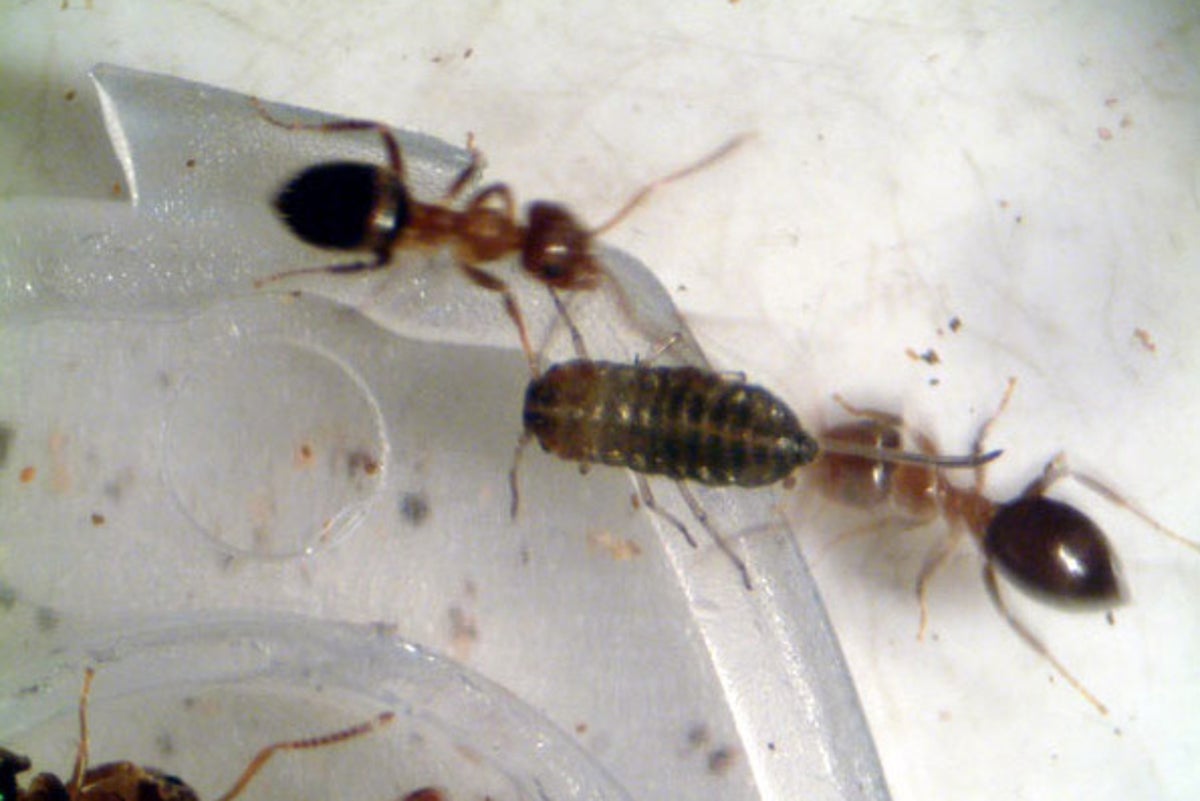
A man gets intercepted at an airport with 2,238 live ants in his luggage, and the media treats it like a scene from a pandemic thriller. The headlines scream about "smuggling," "biosecurity risks," and "illegal wildlife trafficking." They want you to feel a sense of righteous indignation that someone would dare bypass customs with a suitcase full of Formicidae.
But if we strip away the sensationalism, we find a regulatory framework that is archaic, scientifically illiterate, and fundamentally counterproductive to the very biodiversity it claims to protect. The "lazy consensus" here is that stopping an individual with a box of ants makes the world safer. It doesn't. It just suppresses the most vital distributed research network we have: the global community of amateur myrmecologists.
We are currently witnessing the "War on Drugs" logic applied to insects. And just like that failed experiment, the prohibition of ant transit does nothing to stop the flow of species—it only ensures that the flow remains unmonitored, undocumented, and concentrated in the hands of those who don't care about ecological balance.
The Myth of the "Invasive" Menace
The primary argument for these arrests is the prevention of invasive species. Border agencies point to the Red Imported Fire Ant (Solenopsis invicta) or the Argentine Ant (Linepithema humile) as proof that we need to treat every glass vial like a dirty bomb.
Here is the truth: The catastrophic invasive events that have reshaped ecosystems were almost never caused by hobbyists or collectors. They were caused by global commerce—shipping containers, timber imports, and the horticultural trade. A single cargo ship docking in San Pedro carries more potential ecological disruption than ten thousand travelers with ants in their carry-ons.
When we focus on the guy with 2,000 ants, we are ignoring the forest for a single needle. We are engaging in security theater. We punish the enthusiast because they are an easy target, while the industrial vectors of real ecological collapse remain largely unregulated because their lobby is too big to touch.
The Amateur Scientist as a Vital Resource
I have seen the way academic institutions operate. They are slow, underfunded, and bogged down by bureaucratic inertia. If we waited for "official" channels to map the distribution of rare species, we would be working with data from the 1990s.
The people smuggling ants are often the only ones doing the actual field work. They are the ones discovering new behaviors, mapping ranges, and maintaining captive colonies that serve as genetic reservoirs. By criminalizing their passion, we are burning the library of life.
The Problem with "Permits"
Customs officials will tell you there is a "right way" to do this. They point to the CITES (Convention on International Trade in Endangered Species) and national agricultural permits.
Have you ever tried to get a legal permit for insect transport across international lines?
- The Cost: It can cost thousands of dollars in administrative fees.
- The Time: Applications often sit on a desk for 18 months.
- The Ignorance: Most permit officers cannot tell the difference between a common garden ant and a critically endangered specialist.
For a researcher or a high-level hobbyist, the "legal" route is a death sentence for their project. The system is designed to say "no" by default, not because of risk, but because of laziness.
Reimagining Biosecurity: The Decentralized Model
Instead of arresting people at the gate, we should be incentivizing transparency. Imagine a scenario where a traveler could declare their specimens, have them digitally logged, and be sent on their way—provided they follow basic containment protocols.
We don't need fewer ants moving across borders; we need better data on which ants are moving. By forcing the trade underground, we lose all visibility. We don't know what's coming in, where it's going, or what the health of the colony is.
A Note on the "2,238 Ants" Figure
The media loves the big number. "Over two thousand ants!" To a layperson, that sounds like an army. To anyone who knows anything about biology, that is barely two or three established colonies. A single mature Atta (leaf-cutter) colony can contain millions of individuals. Two thousand ants is a rounding error. It is a hobbyist's starter kit, not an ecological invasion force.
The Economic Hypocrisy
We live in a world where you can buy toxic pesticides by the gallon at any hardware store to wipe out native ant populations in your backyard. We actively encourage the mass slaughter of these insects for the sake of "perfect lawns."
Yet, the moment someone tries to preserve them, study them, or trade them for their aesthetic and scientific value, they are treated like a high-level criminal. We celebrate the destruction of nature and criminalize the fascination with it.
The Real Risks Nobody Talks About
I’m not saying there are zero risks. Escaped exotics can cause localized issues. But we need to weigh that risk against the benefit of a globally connected scientific community.
- Pathogen Transfer: This is the real threat. Not the ants, but the mites and fungi they carry.
- Genetic Pollution: Crossing different regional strains of the same species.
These are nuanced, technical problems. They require scientific solutions—like mandatory quarantine periods or heat-treating soil—not handcuffs and jail time.
Stop The Moral Panic
The arrest at the airport wasn't a win for the environment. It was a failure of imagination. We are using 20th-century border tactics to solve 21st-century ecological challenges.
The man with the 2,238 ants isn't the villain of this story. He is a symptom of a broken system that makes it impossible to be a citizen scientist legally. We are so obsessed with the "sanctity" of our borders that we are willing to let our understanding of the natural world atrophy.
If you want to protect the planet, stop worrying about the guy with the test tubes in his suitcase. Start worrying about the systemic apathy that makes his actions "illegal" in the first place.
The next time you see a headline about an "insect smuggler," don't cheer for the authorities. Ask yourself why we've made curiosity a crime.
Build a better bridge, not a higher wall.