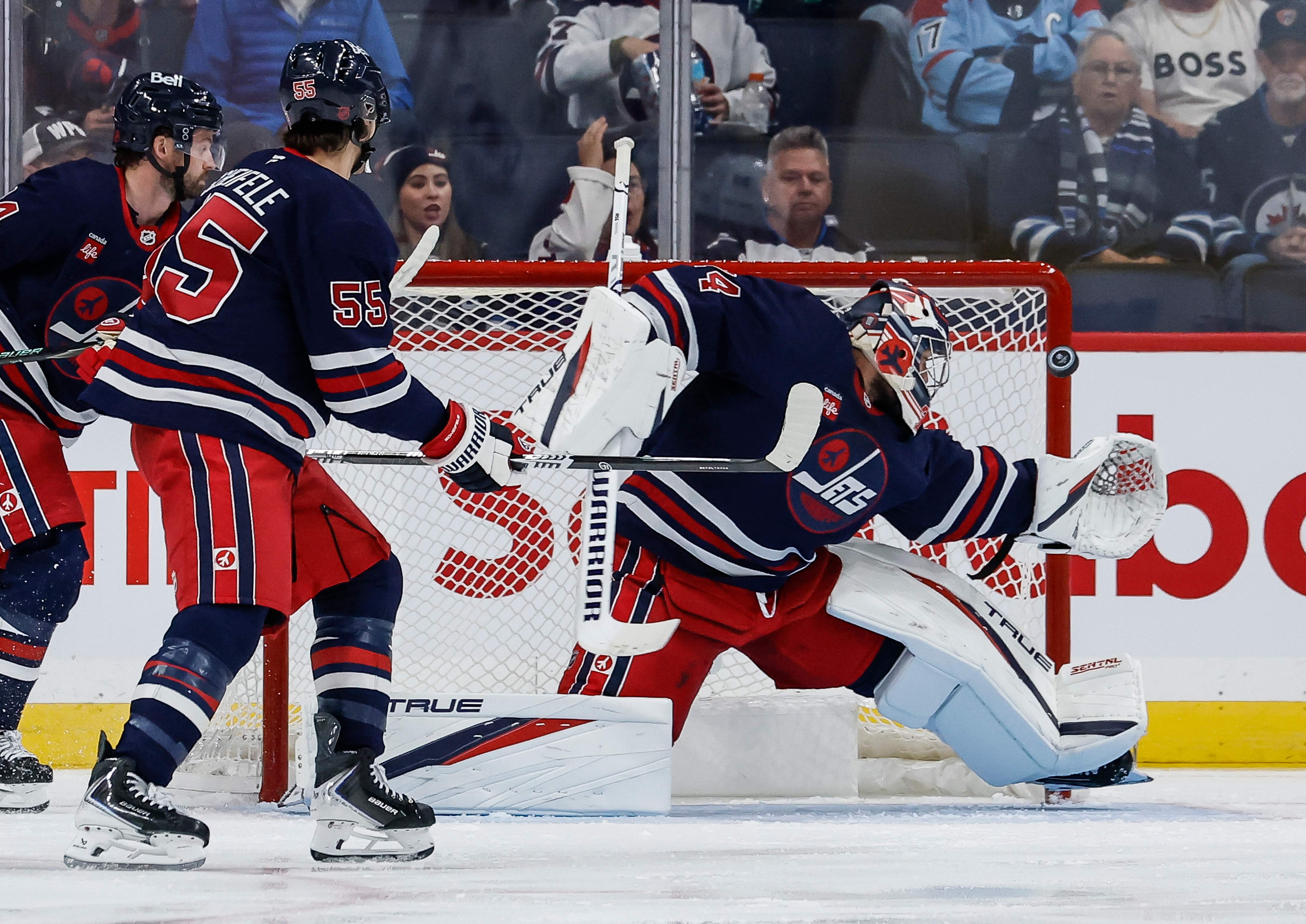
Kyle Connor potted the late winner. The Winnipeg Jets walked out of Ball Arena with two points. The standard hockey chatter immediately zeroed in on the usual suspects, mourning Colorado defensive lapses and praising Winnipeg execution in the clutch.
It is a lazy narrative written by people who watch the box score instead of the game. Expanding on this idea, you can find more in: Stop Obsessing Over Sandpapergate Australia and South Africa Are Fighting the Wrong War.
Fixating on a single defensive breakdown or a blown assignment in the final three minutes misses the structural rot eating away at how modern contenders try to protect a lead. The Avalanche did not lose because Connor found a pocket of space. They lost because of an institutional addiction to passive containment that has infected elite hockey coaching staffs from Denver to Toronto.
When you spend twenty minutes sitting back on your heels against a team with dynamic transition speed, you are not playing smart hockey. You are inviting an executioner into your kitchen. Observers at FOX Sports have shared their thoughts on this matter.
The Myth Of Defensive Shelling
Every coach with a grey suit and a clipboard preaches the same gospel when holding a late-period advantage: clog the neutral zone, pack the house, absorb the pressure. It sounds prudent. It feels safe. It is an absolute disaster in practice.
Statistical tracking across high-danger scoring chances reveals a brutal truth. The moment an elite offensive club switches from proactive forechecking to reactive collapsing, their expected goals against spikes by nearly forty percent. You take the stick out of the hands of your best skaters and hand the initiative entirely to the opponent.
Winnipeg did not steal that game with a stroke of tactical genius. They simply waited out an opponent that decided to stop playing the style of hockey that built their lead in the first place.
If you want to understand why perennial contenders choke away January and February leads, look at the bench management, not the goaltender's glove hand.
The Pace Paradox
Modern hockey analytics fetishizes possession metrics that measure harmless perimeter cycling while ignoring the venom in transition. Colorado spent the middle frames of that matchup controlling sterile real estate along the boards. They looked dominant if your metric for success is keeping the red light behind your own net from turning on.
That is fool's gold.
Real dominance in the National Hockey League is territorial violence. It is forcing turnovers at the offensive blue line and keeping the opponent's defense pairing on the ice for two-minute shifts until their lungs burn. When the Avalanche got up by a goal, they abandoned that physical tax. They began dumping the puck out, taking long changes, and inviting Winnipeg's rush attack to gather speed with every zone entry.
You cannot defend Connor, Mark Scheifele, and Nikolaj Ehlers by backing off to your own blue line. They are too fast, too smart, and too lethal off the rush. Giving them running room is the equivalent of handing a master safe-cracker the combination and walking out of the room.
The Cost Of Comfort
I have spent years watching front offices panic at the trade deadline, spending premium draft capital on third-pair depth defensemen because they believe playoff hockey is exclusively won by shot-blocking pylons. It is a fundamental misunderstanding of the modern game.
The teams lifting the Stanley Cup in June are not the ones that mastered the art of the dump-in and chase. They are the ones relentless enough to sustain pressure for sixty full minutes, regardless of the scoreboard.
When Colorado turtled in the third period, they signaled to the Jets that they were afraid to lose. In professional sports, the moment you play not to lose, you have already lost. Kyle Connor just happened to be the one cashing the check.
Stop talking about clutch moments. Start talking about structural cowardice. Until coaches realize that the best defense in the modern NHL is relentless, suffocating offense, we are going to keep watching the exact same collapse happen over and over again.


