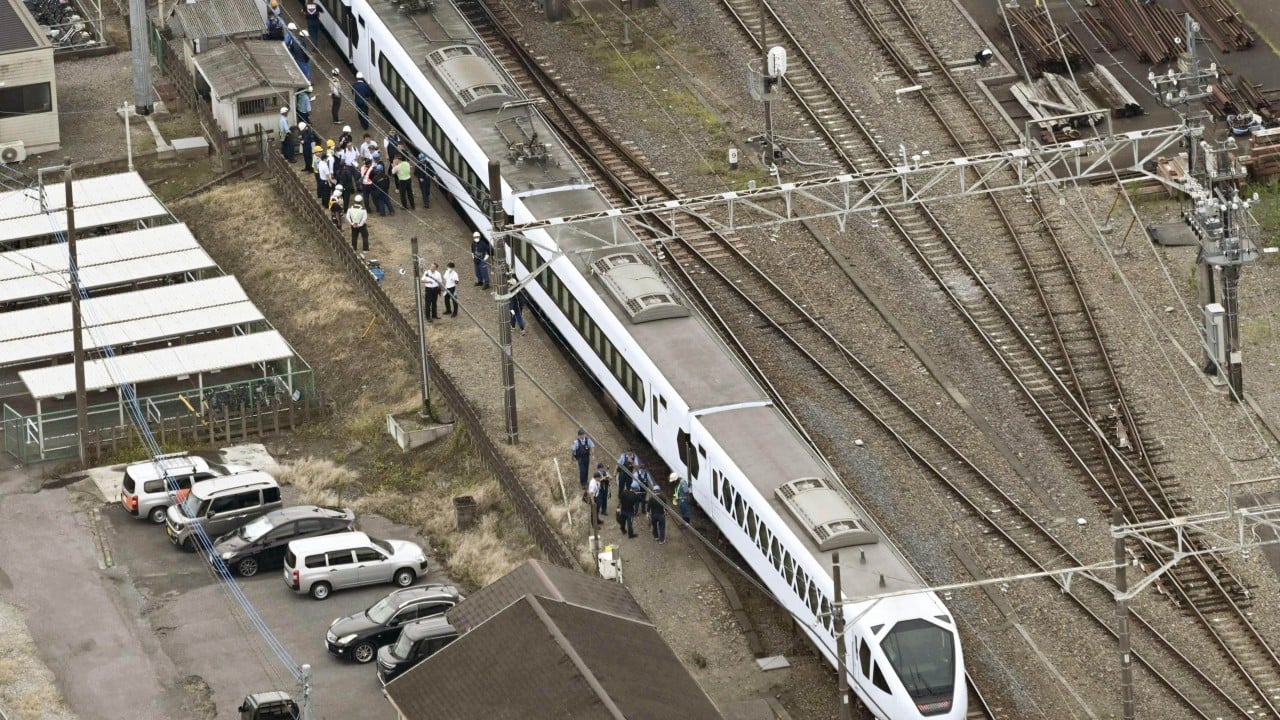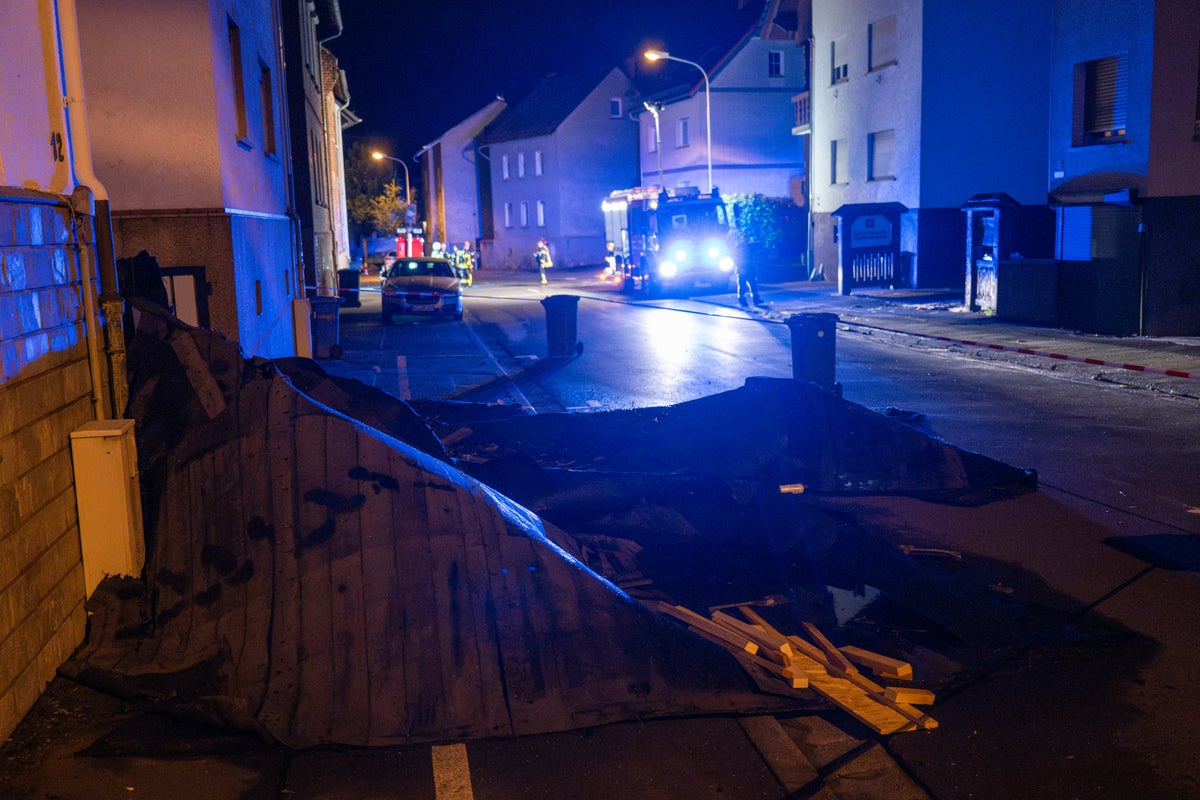
Every single time a roof blows off a barn in North Rhine-Westphalia or a freak funnel cloud dips over a Bavarian field, the panic machine whirs into motion. The headlines practically write themselves. Deadly overnight storms batter Germany as a tornado hits the region. Cue the grim pronouncements, the hand-wringing about atmospheric heating, and the collective gasp from urban pundits who haven't stepped foot in a rural village outside of a weekend wine tour.
Here is the lazy consensus everyone swallows without chewing: Central Europe is turning into Tornado Alley, extreme weather is rewriting our meteorological laws overnight, and we are entirely helpless against the wrath of a heating planet. Read more on a connected issue: this related article.
It is a neat narrative. It is also fundamentally lazy, scientifically incomplete, and obscures the actual dangers we face.
I have spent the better part of two decades analyzing severe convective storms and insurance risk models across Europe. I have watched billions of euros in structural damage get hand-waved away as mere acts of god when the culprit was actually institutional failure, poor zoning laws, and a media ecosystem addicted to catastrophe porn. We do not have a sudden epidemic of monstrous American-style twisters tearing down the Fatherland. We have a severe deficiency in how we build, warn, and talk about wind. Further journalism by NPR highlights similar perspectives on this issue.
Let us look at the actual data.
The Myth of the Unprecedented German Twister
The panicked reporting following overnight squalls in Germany relies on a historical amnesia. Read the local chronicles from the nineteenth century. Read the accounts of the devastating September 1897 tornado in Eichstätt or the brutal 1968 Pforzheim event that leveled entire neighborhoods. Funnel clouds are not new arrivals to Central Europe. They are rare, highly localized, and historically documented phenomena that have tracked across our latitudes for centuries.
The shift is not in the frequency of these events. The shift is in the sheer amount of infrastructure we have placed directly in their paths.
Imagine a scenario where a high-end EF2 tornado tracks through a dense, unpopulated stretch of Bavarian forest a century ago. It snaps pines, makes a terrible noise, and enters the local archives as a historical footnote. Today, that exact same meteorological event tracks five miles to the left and hits a sprawling logistics park, three newly built suburban developments with cheap vinyl siding, and an autobahn interchange choked with transit trucks.
The storm intensity did not change. Our exposure multiplied by a factor of ten.
Meteorological agencies like the Deutscher Wetterdienst track severe weather with precision, yet public discourse insists on treating every localized wind shear as an apocalyptic harbinger. This matters because misdiagnosing the threat guarantees we will implement the wrong fixes. If you believe climate change is magically manufacturing brand-new atmospheric engines out of thin air, you focus entirely on macro-level decarbonization debates while ignoring the fact that your local building inspector signed off on a roof truss that would fail in a stiff maritime breeze.
Why European Construction Standards Are Failing Wind
Let us talk about engineering, because this is where the polite conversation stops.
German architecture is world-famous for thermal insulation and masonry durability. We build houses designed to trap heat in winter and keep cool in summer. We obsess over energy efficiency classes and triple-paned glass. But when it comes to wind uplift resistance, standard residential construction in large parts of the country treats roof attachment as an afterthought.
Traditional steep pitched roofs rely heavily on dead weight—heavy clay or concrete tiles resting on laths. They perform wonderfully against straight-line winds coming from standard frontal systems. But a tornado or a microburst introduces a completely different mechanical force: dynamic suction.
When a low-pressure vortex passes over a roof, it creates an aerodynamic lift similar to an airplane wing. If the roof-to-wall connections—the hurricane ties and anchor bolts that American Gulf Coast builders take as gospel—are absent or inadequate, the roof lifts off intact.
I have walked through neighborhoods in western Germany hours after a reported tornado strike. You see a row of houses where the walls are entirely intact, but the entire roof assembly has been neatly peeled off like the lid of a sardine tin. The standard reaction from residents is sheer disbelief that the wind could be so malicious. The engineering reality is much more mundane: the roof framing was never structurally tied to the concrete ring beam below it.
We are building houses with the structural wind resilience of a cardboard shoebox, then acting shocked when convective gusts test our hubris.
The Real Danger: Panic Over Preparation
The obsession with apocalyptic storm framing creates a secondary hazard that kills more efficiency than any wind shear ever could: alarm fatigue combined with institutional paralysis.
When every ordinary summer squall line gets hyped up as a potential catastrophic tornado outbreak, the public tuning-out phase begins immediately. People receive emergency alerts warning of impending doom, look out their window to see a normal afternoon rain shower, and learn to ignore the warning systems entirely.
Effective disaster mitigation requires granular, localized communication. It requires teaching people the difference between a derecho, a mesocyclone, and a garden-variety thunderstorm. Instead, we lump everything into a homogenized soup of climate dread.
The media loves the drama of overnight storms battering Germany because fear scales well on digital algorithms. A headline warning of a localized wind maximum does not generate clicks like an urgent dispatch about a tornado hitting a region. But treating localized meteorological events like national security crises prevents us from focusing on the unsexy, high-impact interventions that actually save lives and property.
What are those interventions? They are remarkably boring.
- Mandatory retrofitting of roof tie-down straps in designated wind-prone regions across central and northern Europe.
- Overhauling local zoning laws to prevent the placement of lightweight commercial steel-frame warehouses in known wind corridors without adequate internal bracing.
- Upgrading local radar networks to provide true dual-polarization velocity data down to the neighborhood level, replacing broad regional panic with precise tactical warnings.
Stop Waiting For Permission To Build Better
The uncomfortable truth is that weather is indifferent to our political debates, our architectural blind spots, and our sensationalist news cycles. Storms will cross the North Sea, hit the flatlands, and barrel toward the uplands with the exact same physics they have used for millennia.
The variable we control is our response.
You can continue to read breathless bulletins about overnight disasters, shake your fist at the atmosphere, and rebuild your vulnerable home using the exact same flawed techniques that failed you the first time around. Or you can accept that nature does not negotiate its baseline physics, stop looking for external villains in every gust of wind, and start fastening your roof down properly.
The next storm is already forming over the Atlantic. Build for it.