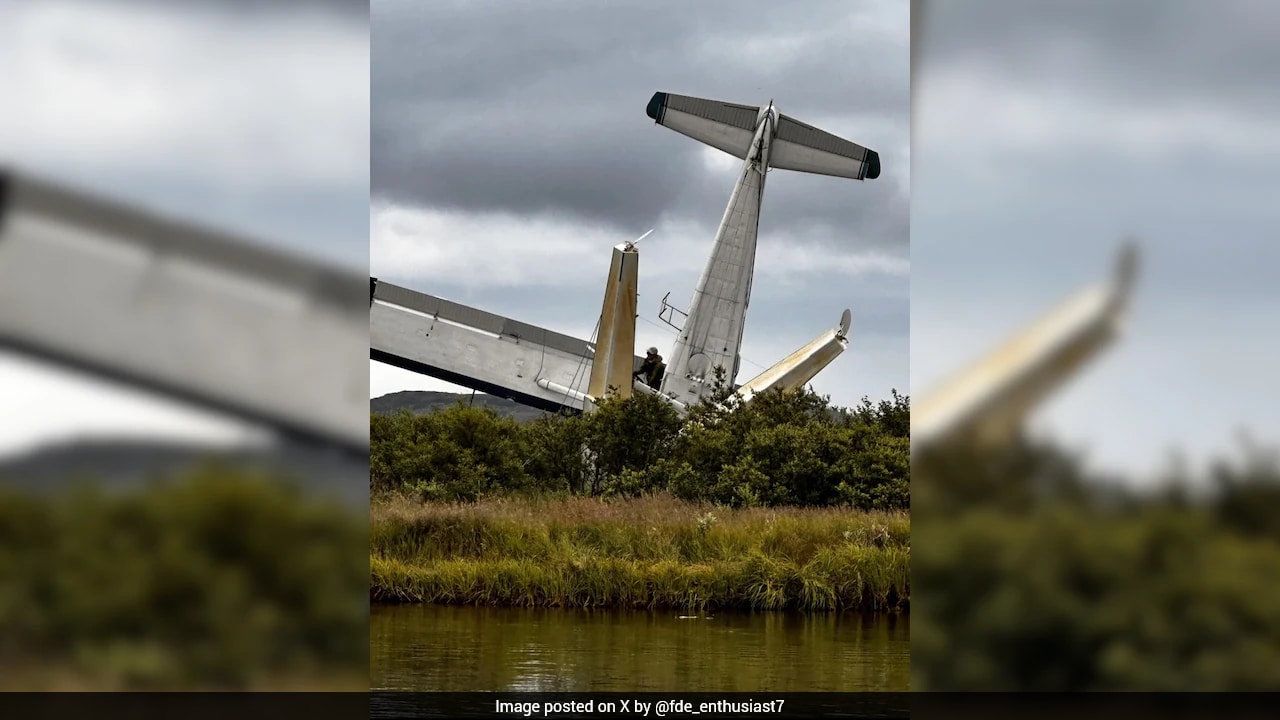
Another charter plane goes down in Alaska, and the immediate reaction from the mainstream media follows a tired, predictable script. Pious anchors lament the dangers of the Last Frontier. Pundits mutter about treacherous weather, rugged terrain, and the inherent recklessness of flying small aircraft in the wilderness. The lazy consensus is locked in before the wreckage even cools: Alaska aviation is a roll of the dice, and bush pilots are adrenaline junkies playing Russian roulette with nature.
That narrative is not just lazy. It is dangerously wrong.
I have spent decades watching transportation policy get written by desk jockeys who think turbulence is what happens when someone walks too fast down a carpeted hallway in Washington. Every time a charter accident hits the news, the knee-jerk regulatory reflex is to pile on more universal mandates, tightening the screws on operators who are already fighting a war of attrition against geography and economics. They treat every crash as a moral failure of the person at the controls rather than a predictable symptom of a structural trap.
We are looking at the wrong culprit. The danger in Alaskan bush flying is not the weather. It is the systemic starvation of infrastructure and the regulatory squeeze that forces good operators into impossible corners.
The Geography Myth
Every standard report on Alaskan aviation leans heavily on the myth of the untamable wilderness. The implication is simple: mountains are tall, weather changes fast, and therefore accidents are inevitable acts of God.
Nature is indifferent, but human systems are not.
Alaska is larger than Texas, California, and Montana combined, yet its road network is a rounding error. For thousands of communities, small charter planes are not an adventure sport or a luxury for tourists; they are the ambulance, the grocery truck, the school bus, and the only umbilical cord to the modern world. When a plane goes down, treating it like a freak occurrence in a dangerous zone ignores the fact that millions of successful flights happen precisely because bush pilots understand the terrain better than any federal safety bulletin ever will.
The real hazard is the financial model keeping these operations alive. Margins for rural air carriers are razor-thin. When fuel costs spike, parts become scarce, and insurance rates skyrocket due to systemic litigation risks, safety margins do not expand. They get squeezed.
Why Standard Safety Regulations Fail in the Bush
Ask any FAA bureaucrat what the solution is, and they will hand you a binder full of commercial airline rules designed for wide-body jets flying between major hubs with dual ILS approaches and armies of maintenance workers.
Applying major airline logic to a single-engine turbine Otter operating on a gravel strip outside Bethel is administrative malpractice.
Federal oversight often mistakes paperwork for safety. Requiring rural operators to adopt bureaucratic compliance structures that make sense for United Airlines does nothing to protect a pilot navigating a narrow mountain pass where visibility drops to zero in five minutes. In fact, it drains the exact resources—capital, time, and localized autonomy—that operators need to maintain their aircraft and invest in actual pilot training.
Worse, it creates a perverse incentive structure. Smaller operators get crushed under compliance overhead, consolidation accelerates, and rural communities are left with fewer choices, older fleets, and stretched-to-the-limit flight crews.
Bureaucratic safety checklists cannot replace localized local knowledge, yet the FAA continues to trade seasoned bush judgment for standardized box-checking.
The Economics of Rural Aviation
Let us talk about money, because the mainstream reports never do. Operating a charter service in rural Alaska is an economic bloodbath.
Consider the cost pressures:
- Avgas and Jet-A Logistics: Shipping fuel to remote outposts multiplies the base cost exponentially.
- Parts Availability: Sourcing certified components for vintage airframes requires patience and deep pockets.
- Seasonal Volatility: Summer tourist rushes must fund winter freeze-ups when demand drops to baseline emergency traffic.
When an operation is bleeding cash, every maintenance decision carries a heavy psychological weight. I have watched brilliant operators walk away from the industry because the cost of compliance finally outpaced the value of the freight. When the experienced players are priced out by red tape, who fills the void? Less experienced operators with fewer resources and weaker safety nets.
Blaming the mountains is a convenient dodge for lawmakers who refuse to subsidize or protect the basic infrastructure required to keep rural aviation viable. If Washington treated Alaskan air routes with the same strategic importance as interstate highways or urban mass transit, the safety statistics would transform overnight.
What Fixing the System Actually Requires
If we want to stop reading about charter crashes in Alaska, we have to stop treating them as isolated tragedies and start treating them as policy failures.
Stop writing one-size-fits-all regulations written by people who have never landed a Cessna on a muddy riverbar. Give rural operators targeted tax relief on safety equipment, modernize the weather-reporting infrastructure across remote regions with automated stations that actually function in sub-zero temperatures, and build a regulatory framework that respects local expertise over distant oversight.
The pilots flying these routes are not gamblers. They are professionals keeping an isolated population alive against the odds. It is time we stopped punishing them for the failures of a system that refuses to support them.