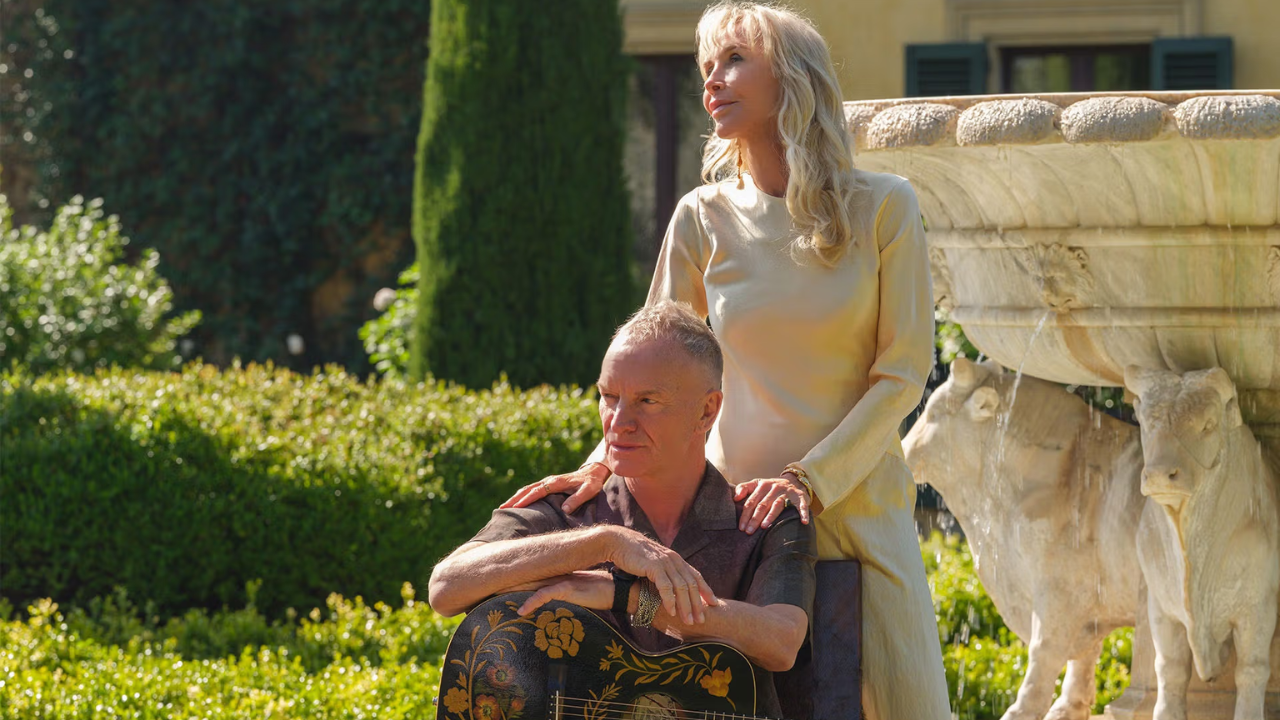
Celebrity vanity projects usually age like milk. A famous musician buys a vineyard, slaps their face on a mediocre bottle, sells it to gullible fans for triple its value, and quietly abandons the project three years later. Most people assumed that is exactly what happened when musician Sting and his wife, actor and producer Trudie Styler, bought Il Palagio in 1997.
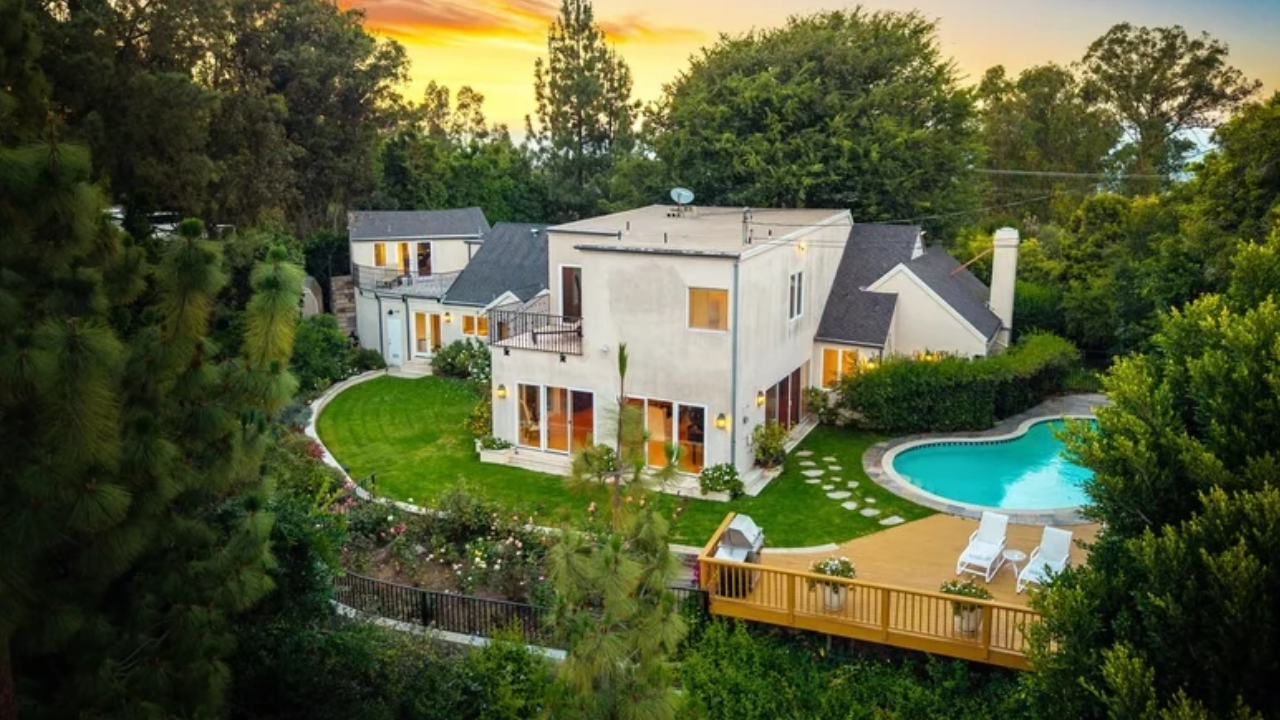
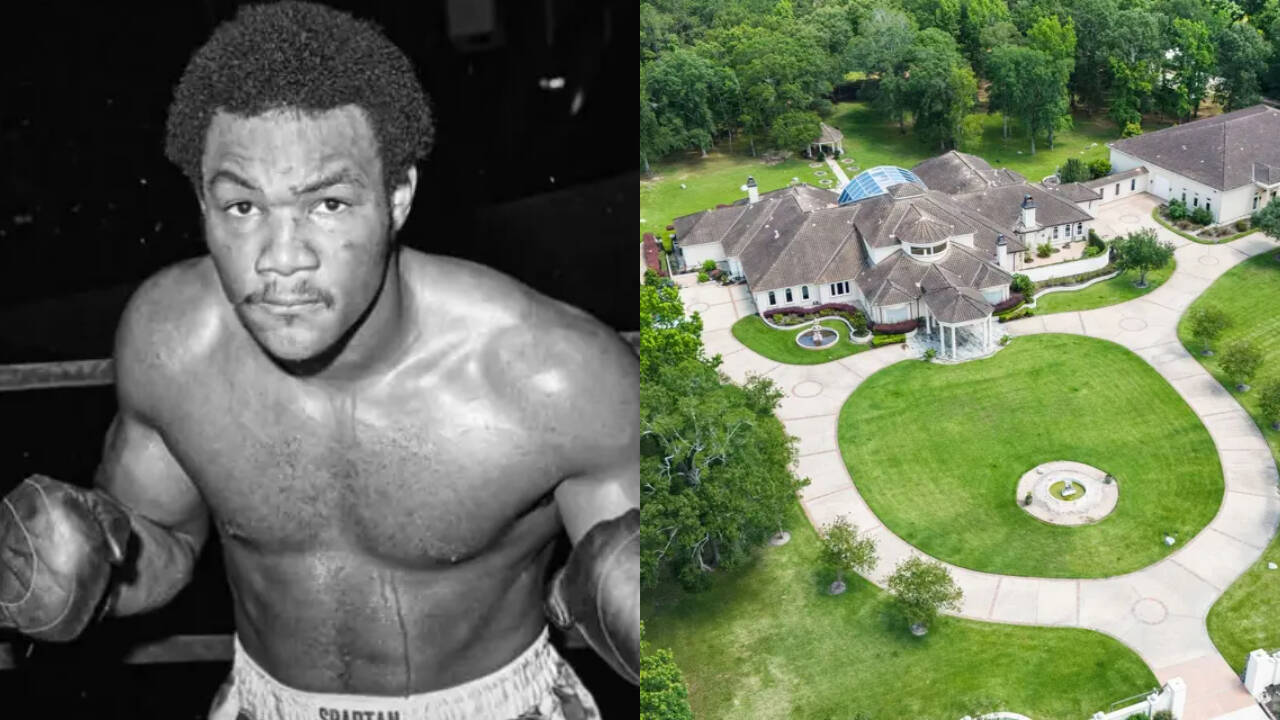
They were wrong. Meanwhile, you can explore similar events here: Why Dr Phil Asking 67.5 Million for His Beverly Hills Mansion Turns Heads.
The 16th-century estate nestled in the hills of Figline Valdarno, south of Florence, wasn't purchased to be a quiet weekend getaway where a rock star could hide from the paparazzi. It became a massive, hands-on organic farming experiment. Today, Tenuta Il Palagio spans roughly 350 hectares (around 865 acres) of vineyards, olive groves, and woodlands, producing internationally respected organic wines, top-tier olive oil, and honey that routinely win serious agricultural awards.
Here is the real story of how a neglected historical property transformed into a thriving organic farm, and why it avoided the celebrity trap. To explore the bigger picture, check out the recent report by Bloomberg.
The State of Disrepair Behind the Romance
When Sting and Styler first laid eyes on Il Palagio, it looked nothing like the glossy travel magazines suggest. The main villa was practically falling apart, and the surrounding agricultural land had suffered decades of neglect.
There was an eerie problem during their first few months living there. The mornings were completely silent. Styler noticed something vital was missing from the Tuscan landscape.
There were no birds.
Decades of heavy chemical use, pesticides, and intensive monoculture farming had stripped the soil of life, driving away local wildlife. For Sting, who grew up in industrial Newcastle eating canned food because fresh produce was scarce, buying a farm wasn't just about owning historic walls. It was a chance to reconnect with where food actually comes from.
They didn't just hire local managers and walk away. They committed to fixing the ecosystem from the ground up.
Bringing Back the Land Through Biodynamics
Fixing dead soil takes more than good intentions. Styler brought in expert help, connecting with pioneering agricultural minds like the late Alan York, a specialist in biodynamic and organic farming who famously worked on turning Californian vineyards around.
The transition wasn't an overnight marketing stunt. It required structural changes across the entire 350-hectare property:
- Synthetic pesticides and chemical fertilizers were banned entirely.
- Over 80 bee colonies were introduced to rebuild pollination cycles.
- Vine
Why Sting Turning a Tuscan Estate Into an Organic Farm Matters
lifestyle
Celebrities buy vineyards and country houses all the time. Most of them slap their name on a label, hire a management firm, and show up twice a year for a photo shoot.
Sting and his wife, Trudie Styler, didn't do that.
Back in the late 1990s, they bought Il Palagio, a 16th-century estate nestled in the hills of Tuscany near Figline Valdarno. The property was a wreck. The vineyards were neglected, the olive groves were overgrown, and the main villa needed serious structural work. Instead of treating it as a standard vacation home, they rolled up their sleeves and turned the sprawling property into a fully functioning, certified organic farm.
It wasn't a PR stunt. It was an outright obsession with sustainable agriculture.
The Reality of Restoring Il Palagio
When the couple first took over the 900-acre estate, the local farmers thought they were crazy. The soil had been farmed intensively for decades, and restoring fertility required a massive shift away from conventional chemical treatments.
Sting and Trudie didn't just hire consultants; they dove headfirst into biodynamic farming principles long before organic produce became a massive marketing buzzword in supermarkets. They planted new vineyards, brought back ancient olive trees, and established hives for local bees.
You can't fake terroir. If your soil is dead, your wine tastes flat. By stripping out synthetic fertilizers and letting the land recover naturally, they managed to revive vineyards that now produce award-winning Chianti and experimental red blends.
What Makes Organic Farming Actually Work
People romanticize organic farming. They picture sun-drenched fields, happy goats, and effortless harvests.
The reality is brutal.
Pest control without heavy synthetic chemicals means constant monitoring. Yields are often lower, especially in the first few years while the ecosystem balances itself out. You deal with crop loss, unpredictable weather patterns, and the sheer labor intensity of manual weeding and harvesting.
Il Palagio operates on a massive scale. They produce olive oil, honey, vegetables, and a full suite of wines named after Sting's famous song titles—like When We Dance and Sister Moon.
The lesson here isn't just about celebrity side projects. It's about scale. If a 16th-century Tuscan estate can shift entirely to organic and biodynamic practices while remaining commercially viable, industrial agriculture's excuse of "we have to use chemicals to feed the world" starts to fall apart.
Bringing It Back to Your Backyard
You don't need a 900-acre Tuscan villa to apply these principles. The shift toward sustainable growing has massive implications for how we handle our own spaces, whether it's a suburban backyard or a community garden plot.
Start small. Stop dumping synthetic nitrogen fertilizers and harsh pesticides on your lawn. Focus on soil health instead of plant health. If you feed the microbes in the earth, the plants take care of themselves. Composting kitchen scraps, rotating crops, and choosing heirloom seeds adapted to your local climate will yield better results than any bottle of chemical spray from the hardware store.
Sting's venture proves that working with nature instead of fighting it is worth the friction. It takes time, it takes patience, and it requires you to accept lower initial yields for long-term ecological stability.
Stop treating dirt like lifeless pavement. Build the soil, plant things that actually belong in your climate, and let nature do the heavy lifting.