The basement smelled like old beer, damp concrete, and the sharp, sour tang of fermented condiments. Mustard had dried into a crust along the baseboards. Relish pooled in the corners of cheap linoleum tiles. In the center of the room, standing under a flickering fluorescent tube that hummed an incessant, high-pitched note, were three young men.
They were unrecognizable.
From their hair down to the soles of their tennis shoes, they were drenched, matted, and glazed in a viscous armor of household groceries. Ketchup dripped from chin to collarbone like synthetic blood. Flour coated their eyelashes, turning their startled blinks into ghostly motions. They looked less like college students enrolled in higher education and more like sacrificial offerings left behind in a pantry after a kitchen fire.
When the police officers finally descended the concrete stairs, flashlights cutting through the heavy, humid air, they did not find a party. They found an interrogation. They found tradition.
What begins as an exercise in community often ends as a monument to isolation. We talk about fraternities as social engines, networks of future leaders, and brotherhood factories. We rarely talk about the strange, subterranean physics of what happens when young men are told they do not yet belong, and must therefore earn the right to stand in the same room.
Consider the baseline psychology of the freshman arriving on a sprawling university campus in Wisconsin. The air turns crisp early in the academic year, carrying the scent of burning leaves and Lake Michigan moisture. The transition from bedroom walls decorated by parents to an empty cinder-block dorm room is violent in its suddenness. The vastness of the choice can crush a person. Who will I sit with? Who will notice if I disappear?
In that vacuum of identity, the Greek letter system dangles a compelling promise: instant gravity. You will have a place. You will have a roster of brothers whose loyalty is supposedly etched in stone.
But gravity has a weight, and brotherhood, when manufactured through degradation, exacts a tax paid in self-respect.
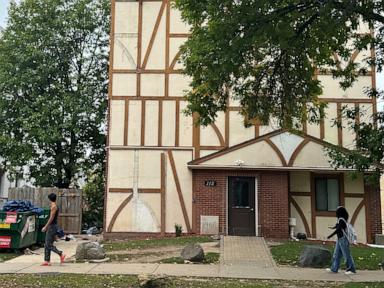
The incident that drew the local authorities to that Wisconsin chapter house was not reported by someone passing by on the street. It did not leak out via a whispered rumor in a lecture hall. It was uncovered because the line between horseplay and harm had long since worn down to dust.
Police departments do not typically dispatch units for messy kitchens. They respond when the scale tips from foolishness into something darker. Hazing investigations are notoriously difficult terrain. They operate in the shadows of code words, sealed lips, and the absolute terror of social excommunication. To speak out against a hazing ritual is to cast yourself into exile just as you were hoping to find your shore.
Think about the silence that follows an initiation. It is heavy. It is reinforced by the very victims who endure it. When those young men were discovered coated in food products—humiliation rendered visible—their immediate instinct was likely not relief that help had arrived, but panic over what the fraternity brothers would say. The code of silence is forged long before the first jar of mayonnaise is opened. It is built on the fear that if you break the ritual, you break your only chance at acceptance.
We have built cultural machinery that mistakes endurance for loyalty.
Look back through the archives of twentieth-century sociology. Researchers who studied institutional behavior noted a recurring, almost pathological quirk of human groups: the more painful or humiliating the initiation into a club, the higher the members valued their membership afterward. Psychologists call this effort justification. If you have stood in a basement covered in mustard and flour while older peers laughed at your vulnerability, your brain performs a desperate cognitive gymnastics trick. It whispers to you: This must be worth it. Otherwise, I am a fool for standing here.
That mechanism is the glue holding together practices that defy common sense and basic human dignity. It turns otherwise intelligent, empathetic young adults into enforcers of cruelty, convincing them that because they suffered to enter the inner circle, the next wave must suffer as well. It is a generational conveyor belt of petty tyranny.
The physical cleanup of a fraternity basement is straightforward. Mops, bleach, hot water, and industrial sponges can strip mustard from linoleum within an hour. The institutional cleanup is far more stubborn. Universities issue stern statements about zero-tolerance policies. National fraternity headquarters suspend charters with heavy-handed press releases, distancing themselves from rogue chapters as if bad behavior were a localized infection rather than a systemic symptom.
Yet the basement remains. The underlying hunger for acceptance remains.
When a university investigates a hazing incident involving food-drenched pledges, the headlines focus on the absurdity of the visuals. Ketchup and flour make for arresting copy. They read like a fraternity prank gone slightly too far, a messy college comedy trope played out in real life.
That framing is dangerous. It trivializes coercion.
Coercion does not always look like physical violence with bruised ribs and broken bones. Sometimes it looks like a psychological trap where the weapon is social annihilation. When young men are made to endure public degradation under the guise of bonding, the damage done is to their internal compass. It teaches them that respect is transactional, that dignity can be bartered for a line on a resume or a weekend invitation, and that power belongs to those who hold the hose.
Change does not come from administrative memos tacked to bulletin boards or mandated online safety modules clicked through at midnight. It comes from breaking the spell of the room. It comes from the moment a pledge looks down at his flour-caked hands, hears the laughter of the upperclassmen, and decides that belonging on those terms is simply too expensive.
The fluorescent light in that Wisconsin basement hummed on. The officers took their notes, gathered their evidence, and documented the sticky residue of a broken tradition. But outside, the autumn air continued to move through the campus trees, indifferent to the rules of the house. The freshmen still walked across the quad, searching for faces in the crowd, hungry for a place to land. And somewhere, in the dark, another door was waiting to be opened.