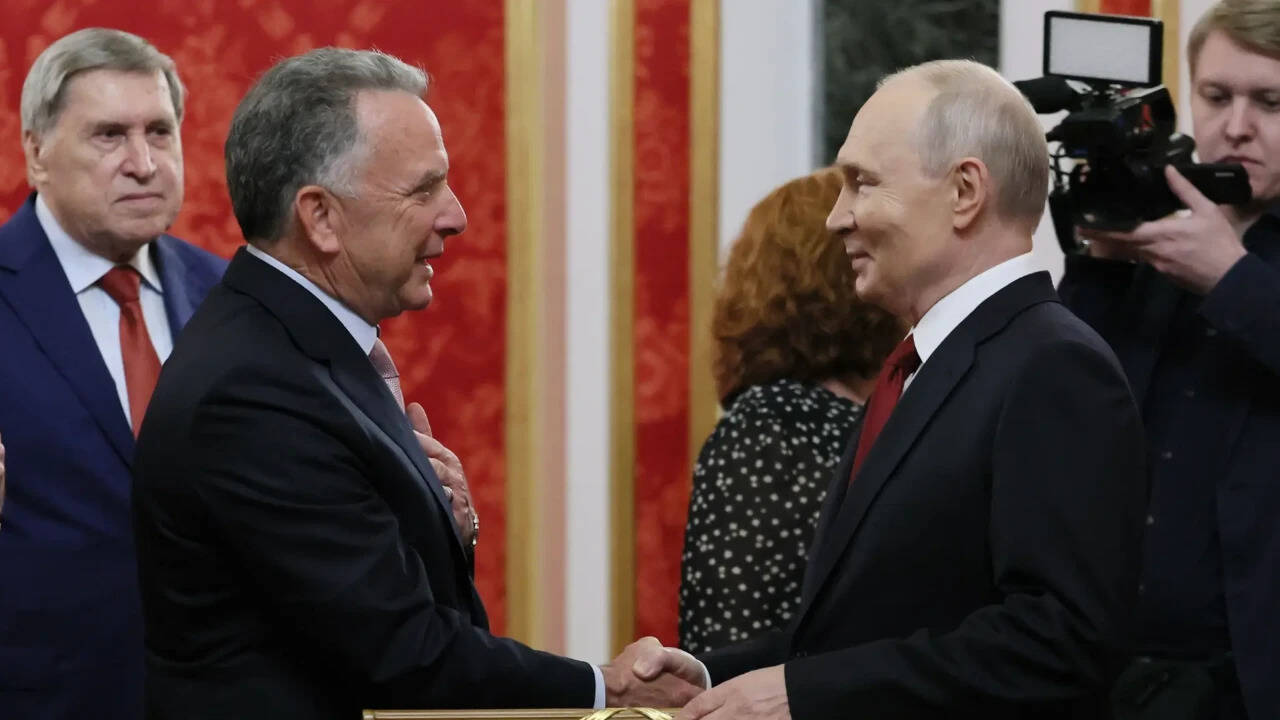
Stephen Hubbard walked out of Russian custody in October 2026 after more than four years behind bars, and President Donald Trump called it a clean win with no prisoner swap required.
Honestly, that sounds great on a bumper sticker.
Look a little closer at the calendar, though, and the story gets messy fast. Hubbard's release arrived days after the White House waived certain sanctions on Russia and rolled out a diesel import arrangement aimed at easing fuel prices ahead of November's midterm elections. Trump flatly stated that imposing new sanctions would have killed the deal to bring Hubbard home.
When a superpower trades sanctions relief and energy diplomacy for a single detainee, calling it "no swap" is mostly a word game. A family gets their loved one back, which matters more than any diplomatic label. Still, pretending there was zero price tag misses how high-stakes hostage and detainee diplomacy actually works.
How Stephen Hubbard Ended Up in a Russian Penal Colony
Most straight-news summaries barely sketch out how an older retired teacher from Michigan ended up inside Russia's penal system in the first place. Hubbard was detained in April 2022, early in the war in Ukraine, on allegations that he fought as a mercenary alongside Ukrainian forces.
In October 2024, the Moscow City Court sentenced him to six years and 10 months in a penal colony after a conviction tied to those hostilities, crediting his pretrial detention toward the sentence. Russian court accounts indicated he pleaded guilty to the charges, while his family argued he was held because of his U.S. citizenship and pushed Washington to treat his case with urgency.
Cases like Hubbard's sit right on the fault line of modern foreign policy. Moscow routinely brings mercenary or espionage charges against foreigners caught in conflict zones or travel traps, turning individuals into political bargaining chips. Once a defendant is convicted in a Russian courtroom, the legal process rarely offers a normal exit ramp. Getting someone out usually takes backchannel leverage, presidential calls, or a broader political reset.
By the time Hubbard returned in late October 2026 and visited the White House days later, he was in his mid-70s and dealing with serious health strain. Relatives and lawmakers had spent years pressing for action, and his son, Joseph Coleman, thanked U.S. officials for helping get his father out.
What "No Swap" Means When Sanctions and Diesel Enter the Frame
In classic Cold War or modern exchanges, you see a clear one-for-one or multi-person ledger: one detainee released here, another prisoner or operative freed there. That is why headlines focus on whether Russia demanded another inmate back.
Trump's point was literal on that narrow front. No named prisoner swap was announced as the condition for Hubbard walking free after a direct phone request from Trump to Russian President Vladimir Putin.
Yet foreign policy analysts and critics in Congress look at timing for a reason. Five days before Hubbard's release became public, the administration moved to waive some sanctions on Russia right as they were set to take effect. Reporting also tied the backdrop to a Russian diesel fuel deal aimed at helping keep gas prices down ahead of the midterm elections.
Trump didn't even try to hide the link between sanctions restraint and the release. Speaking to reporters, he argued that slapping those sanctions on Moscow would have stopped Hubbard's return cold.
Here is the real tension for anyone watching U.S.-Russia negotiations:
- Immediate human relief vs. leverage: Securing a sick, elderly American citizen's release produces an immediate, undeniable win for one household.
- Precedent on sanctions: Linking sanctions waivers to detainee releases can signal to Moscow that holding Americans creates pressure to ease economic penalties.
- Broader Ukraine talks: With special envoy Steve Witkoff engaging in Moscow and broader peace talks swirling, detainee moves often travel alongside bigger geopolitical bargaining rather than happening in a vacuum.
You can debate whether the trade-off was smart statesmanship or too costly a concession. What you can't credibly claim is that major sanctions decisions and fuel talks had nothing to do with the atmosphere around the deal.
Why Detainee Diplomacy Is Never Simple
People outside policy circles often assume the White House can just demand an American citizen back and get a yes. If only it worked that way.
Authoritarian governments treat foreign detainees as assets. Releasing someone on a "request" or "humanitarian" note still serves the releasing leader's interests—whether that means building goodwill with a U.S. president, easing friction before talks, or looking magnanimous in state media.
There is also a genuine split among experts on strategy. Some argue that direct leader-to-leader appeals cut through bureaucratic gridlock faster than years of diplomatic notes. Others warn that giving up economic leverage before a deal is finished weakens Washington's hand on every other issue, from sanctions enforcement to Ukraine. Both arguments have real weight, and neither disappears just because a plane lands safely in the United States.
What Families and Watchers Should Do Next
If you're following cases like Hubbard's because you care about wrongful detention policy or have loved ones abroad, vague outrage won't move a file forward. Concrete steps matter much more.
Start by tracking official designations and congressional oversight. Look at whether the State Department has formally classified a detainee as wrongfully detained under the Levinson Act framework, since that designation unlocks specific bureaucratic attention and family support channels.
Next, pay attention to legislative pressure and consular access. Members of Congress regularly press the State Department on consular visits, case prioritization, and whether detention negotiations are being tied to or separated from broader geopolitical talks.
Finally, read release announcements with a sharp eye on two things: who actually boarded the plane, and what policy shifts happened in the days right before and right after. Celebrations belong with the families bringing their loved ones home, while tough questions belong right alongside them.
Stephen Hubbard release coverage on CBS News
American prisoner returns home as Trump pushes new talks with Putin
This video provides additional news coverage and context on Stephen Hubbard's return and the surrounding diplomatic talks with Russia.