The internet erupted with reports that New Delhi had put a definitive freeze on Elon Musk’s satellite broadband dreams. A bombshell narrative claimed India’s Ministry of Home Affairs halted commercial clearances due to fears over unauthorized terminal usage in Middle East conflict zones.
It makes for a dramatic headline. The timing seemed impeccable too, considering parent company SpaceX is staring down a massive, highly anticipated IPO valuation approaching $1.75 trillion.
But it isn't the whole story.
Starlink took the rare step of publicly pushing back against the narrative. Lauren Dreyer, Vice President of Starlink Business Operations, explicitly dismissed the claims as misleading rumors originating from anonymous sources. According to Starlink, the dialogue with the Indian government is active, productive, and moving forward under an entirely different operational architecture than what exists elsewhere in the world.
If you are waiting for satellite internet to land in rural India, don't panic just yet. The regulatory dance between global tech billionaires and sovereign nations is always loud, but the underlying mechanics tell a much more stable story.
The Friction Behind the Rumors
Sovereignty isn't up for negotiation in New Delhi. The core anxiety raised by critics isn't about the hardware; it's about control. When unlicensed Starlink terminals popped up in geopolitical conflict zones like Iran, it sent shockwaves through global security establishments.
Indian intelligence agencies looked at that and asked a fundamentally pragmatic question. If a crisis hits, can a foreign-owned satellite provider be fully controlled by local laws, or will it answer to Washington or an erratic billionaire?
That question isn't unique to India. Every major telecom market is wrestling with it. But instead of walking away or facing an endless stalemate, Starlink changed its playbook.
A Custom Strategy Built for India
You can't treat a market of 1.4 billion people like a small European nation. Starlink realized this and abandoned its standard global plug-and-play template. The company quieted the security panic by revealing it built a bespoke deployment model engineered specifically to satisfy India’s strict technological and strategic frameworks.
What does that actually look like on the ground? It isn't just paperwork and vague promises.
- Local Infrastructure Realities: Starlink has quietly constructed roughly 10 ground gateways across the country.
- The Mumbai Hub: A centralized network hub in Mumbai acts as the operational brain, ensuring local traffic routes through domestic channels.
- Data Sovereignty Compliance: The company submitted explicit affidavits confirming that Indian user data stays within national borders, fulfilling a non-negotiable demand from the Department of Telecommunications (DoT).
This isn't a company facing a frozen door. It's an operator building a heavily customized, highly regulated domestic network to prove it can play by local rules.
The Real Bottleneck Is Spectrum, Not Spies
The sensationalist claims want you to believe that midnight meetings about international espionage are blocking your high-speed rural internet. The reality is far more bureaucratic and mundane.
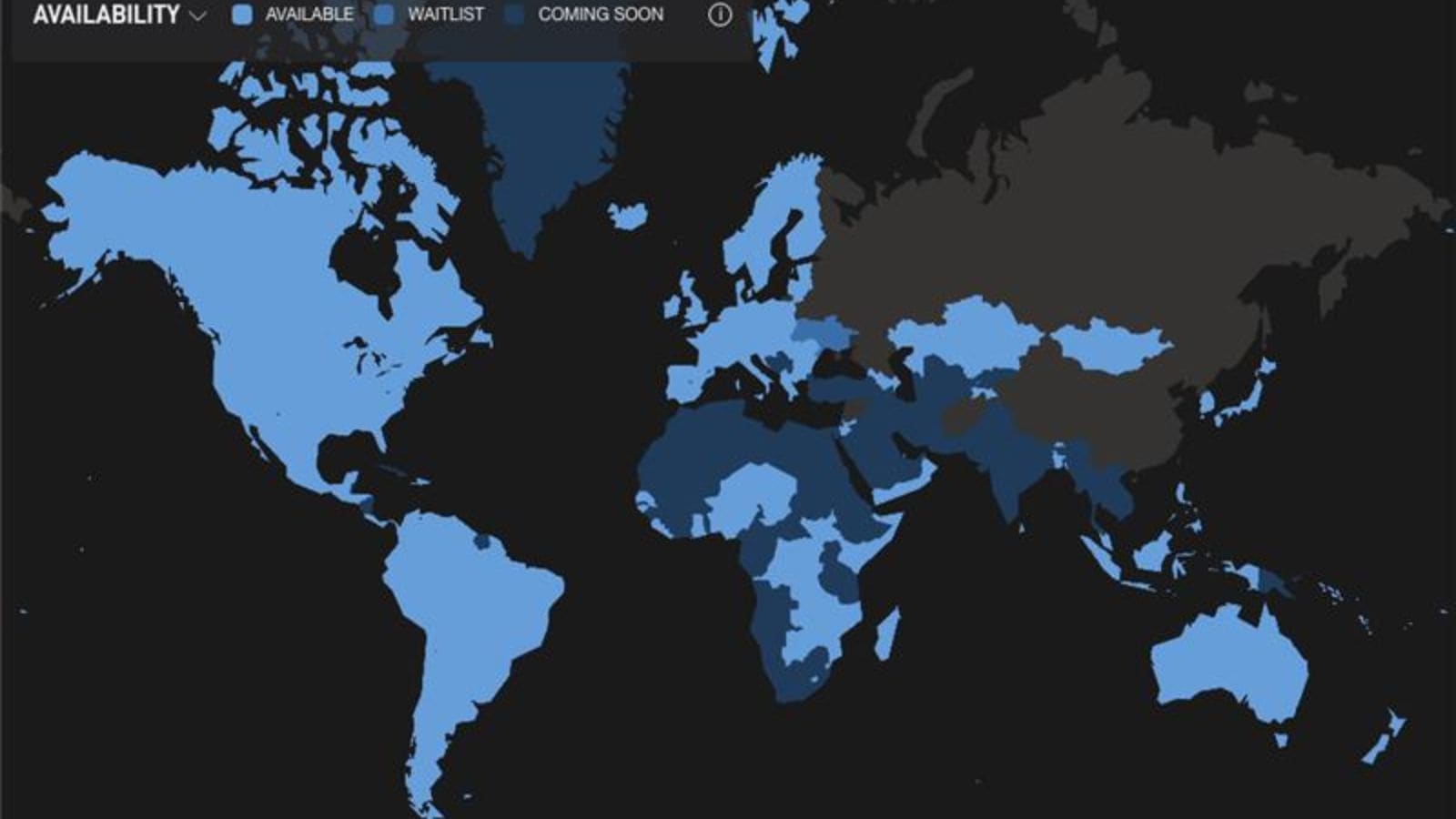
Starlink already holds its Global Mobile Personal Communication by Satellite (GMPCS) license. So do its main competitors, the Bharti Group-backed Eutelsat OneWeb and Reliance Jio’s satellite venture with SES.
The actual roadblock? The price tag on the airwaves.
Current Indian Satellite Licensing Status (June 2026)
+-------------------+--------------------+------------------------+
| Provider          | License Approved?  | Commercial Operations? |
+-------------------+--------------------+------------------------+
| Starlink (SpaceX) | Yes (GMPCS Issued) | Awaiting Spectrum      |
| Eutelsat OneWeb   | Yes (GMPCS Issued) | Awaiting Spectrum      |
| Jio-SES           | Yes (GMPCS Issued) | Awaiting Spectrum      |
+-------------------+--------------------+------------------------+
The DoT finalized the administrative spectrum allocation framework. However, the proposal is sitting in a queue waiting for formal federal cabinet approval. Until the government sets the exact pricing and allocation rules for satellite spectrum, nobody can flip the switch. Not Musk, not Ambani, not Mittal. Starlink can't be uniquely "frozen" when the entire industry is waiting in the exact same line.
Why India Won't Walk Away From Satellite Tech
Let's look at the commercial reality. India remains the ultimate prize for satellite broadband. It has the world’s largest unconnected and under-connected population. Laying physical fiber-optic cables or building physical cell towers across rugged Himalayan terrain, deep desert regions, and isolated island territories is financially ruinous.
Satellite internet is the only viable solution for true digital inclusion in these areas. Elon Musk knows this. The Indian government knows this too.
Dreyer emphasized that the feedback from the Centre regarding Starlink's technological capabilities has been consistently encouraging. The state wants the tech; it just wants the tech wearing an Indian leash.
By building a localized architecture, Starlink gave the Ministry of Home Affairs the kill switches and data oversight it required. The regulatory friction we're seeing right now isn't a sign of failure. It's the messy, final stage of alignment before a massive commercial launch.
If you want to track the actual timeline of when Starlink goes live in India, ignore the sensational leaks about foreign wars. Watch the Union Cabinet announcements for the official sign-off on satellite spectrum pricing rules. Once that economic hurdle clears, the sky opens up.