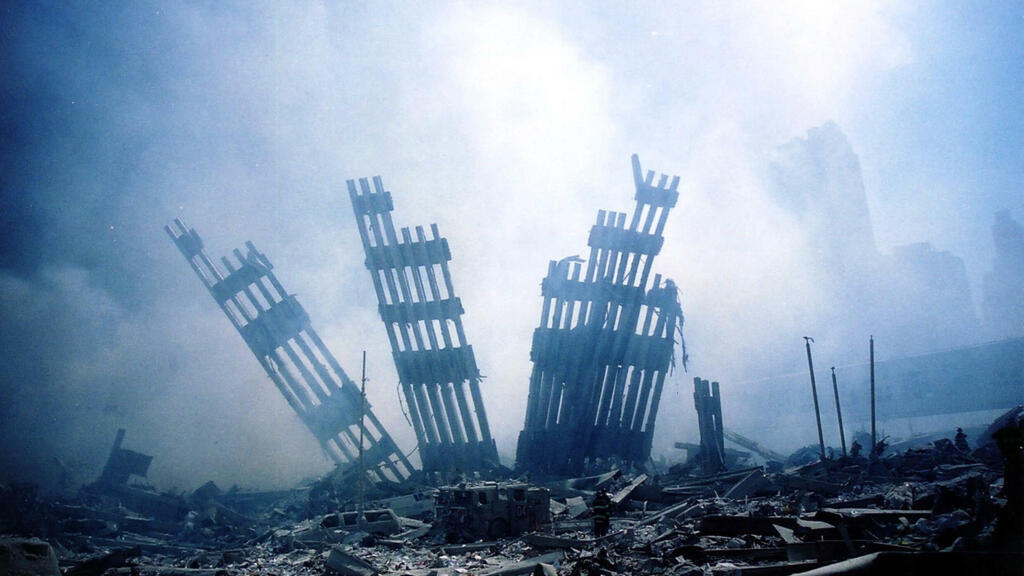
Every single headline following a major urban explosion follows the exact same mechanical template. A body count. A location type meant to maximize visceral imagery, like a shopping center, a hospital, or a residential block. A quote from a local official attributing the carnage to a specific weapon system. The media apparatus consumes the tragedy, regurgitates the casualty figures for twenty-four hours, and then moves on to the next coordinate on the map.
This lazy consensus treats modern conflict like a series of isolated tragedies rather than a systemic, industrial-scale mathematical equation. It focuses entirely on the smoking crater while ignoring the mechanics that put the missile in the air and the structural vulnerabilities that kept civilians sitting ducks beneath a known flight path. You might also find this related article interesting: The Qingdao Shipyard Disaster Exposes the Lethal Cost of Maritime Maintenance.
The Comforting Illusion of the Battlefield
We cling to the nineteenth-century fiction that wars happen on neat little demarcated squares of dirt far away from grocery stores and children's parks. When a commercial zone takes a direct hit, the collective shockwaves hit the media landscape as if the laws of modern ordnance suddenly changed. As highlighted in detailed coverage by The Guardian, the effects are widespread.
They haven't. Precision-guided munitions do not possess moral agency, and targeting algorithms do not care about retail foot traffic. When military infrastructure sits adjacent to civilian hubs—or when air defense batteries are deployed inside municipal perimeters to intercept incoming payloads—the physics of interception guarantee collateral destruction. Shrapnel does not negotiate property lines. Deflected interceptors do not check zoning laws before they pancake into a parking lot.
Yet the standard reporting completely erases this technical reality. It frames every strike exclusively through the lens of pure malice, stripping away the brutal operational calculus that governs urban defense and offense alike. By reducing a complex geopolitical collision to a simple narrative of good versus absolute evil, the coverage absolves everyone of asking the harder question: why are civilian populations still operating normal retail routines in active artillery range?
The Economics of Outrage and Attrition
Look at the reporting pipeline. A strike occurs. Numbers are verified by local authorities under wartime information controls. International wire services pick up the feed. The numbers are weaponized for diplomatic leverage, trotted out to secure the next tranche of aid or the next round of sanctions.
Nobody wants to admit that casualty accumulation is a managed variable in a war of attrition.
I have watched strategists look at spreadsheets where civilian density is calculated not as human lives, but as pressure points on public morale. The side dropping the ordinance understands that terrorizing civil infrastructure degrades the enemy's economic backbone and forces the state to divert scarce air defense assets away from the frontlines to protect shopping malls and apartment complexes. The side absorbing the strike understands that every civilian casualty captured in 4K resolution is diplomatic currency that buys more batteries, more shells, and more political solidarity.
This is the grim reality of total war in the twenty-first century. It is transactional. When we pretend that these strikes are anomalous atrocities rather than predictable outputs of high-density urban warfare, we infantilize the public. We pretend that war can be sanitized if we just use stronger adjectives in the lede.
Stop Asking the Wrong Questions
People look at these reports and ask how this is allowed to happen under international law. That is the wrong question. International law in a total war scenario is a post-hoc filing cabinet for war crime tribunals that may or may not happen a decade from now. It stops nothing.
The real question you should be asking is why civilian mobilization is being maintained in primary target zones long after the theater of war has matured. Total war demands total adaptation. When a nation state shifts into a war economy, the civil population remains the primary engine, which unfortunately makes them the primary collateral architecture.
We need to strip away the emotional varnish of breaking news alerts and look at the brutal logistics of survival. If you live within range of a contested frontier, a shopping center is not a retail establishment. It is a cluster of high-occupancy square footage sitting on a bullseye.
Until we stop treating these tragedies as shocking anomalies and start analyzing them as the inevitable mechanical consequence of industrialized urban combat, we will keep reading the exact same headlines, mourning the exact same numbers, and learning absolutely nothing.