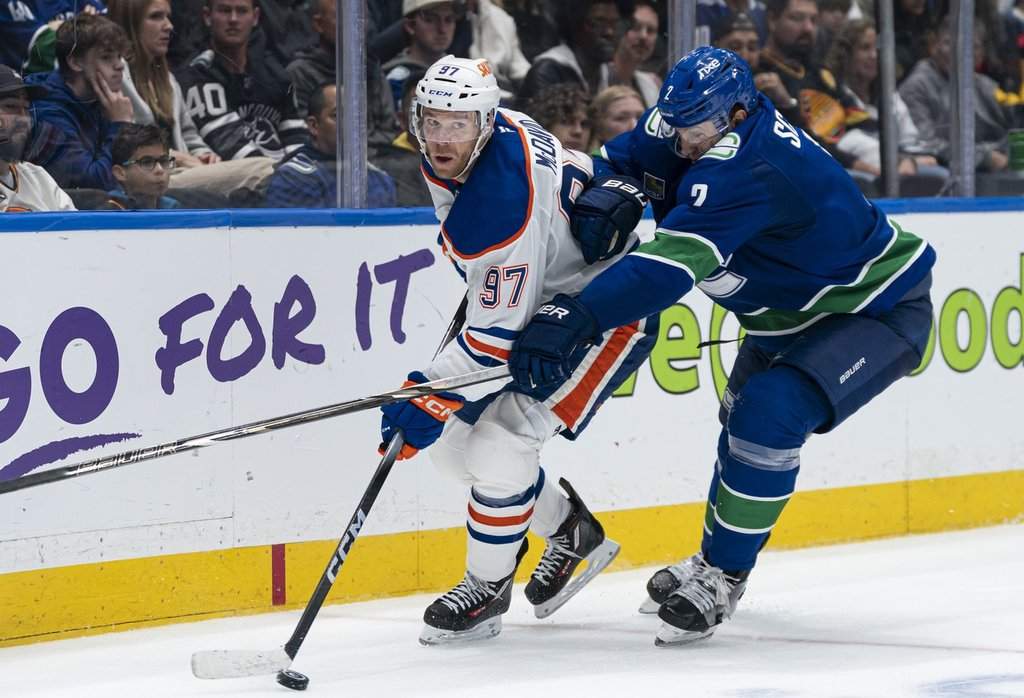
The roar of a packed stadium has a distinct physical weight. It vibrates through the concrete, travels up the soles of your sneakers, and settles right behind your ribs. For generations, that sensation was tethered to geography. You had to buy a ticket, brave the parking lot, and hold your breath through the turnstiles. Then came the television era, shrinking the 100-yard turf into a flickering box in your living room, letting millions share a single, synchronized heartbeat across continents.
Now, the box is shrinking again. It fits in the palm of your hand, glowing on a subway car or a kitchen counter at midnight.
And the rules of how we watch are quietly, radically rewriting themselves.
Consider what happens on a Tuesday evening in a quiet apartment across town. Marcus, a thirty-something software engineer who bleeds for his hometown football club, isn't staring at a live broadcast of a match. There is no ball in the air. Instead, his living room is illuminated by a different kind of spectacle. He is watching a twenty-minute documentary-style breakdown of how his team’s front office scouted a raw, nineteen-year-old winger from a muddy pitch in South America. On his second screen, an interactive data suite tracks every sprint the player made over the weekend, visualized as shimmering heat maps and acceleration curves.
Marcus isn't just a spectator anymore. He is a consumer of ecosystem content. And YouTube, the sprawling video giant that once survived on cat videos and bedroom guitar covers, is capturing him entirely.
The tech industry loves to talk about pivoting, shifting, and capturing eyeballs. But behind the boardroom jargon lies a very human truth: sports fans are insatiable. We do not merely want to see the score; we want to inhabit the universe surrounding it. We want the gossip, the tactical analysis, the locker room whispers, and the human drama of failure and redemption. Traditional broadcast networks spent decades treating live games as the holy grail and everything else as filler. They bought the rights to the ninety minutes on the grass, locked them behind expensive cable walls, and left the crumbs for everyone else.
YouTube looked at that model and recognized a glaring mismatch with human behavior.
People do not stop caring about their teams when the final whistle blows. In fact, that is precisely when the obsession deepens. We pull out our phones while walking out of the stadium, desperate to see the replay of the controversial penalty. We wake up the next morning wanting five different pundits to argue about whether the manager should be fired.
By strategically targeting sports rights—not necessarily chasing the astronomically expensive, traditional live match broadcasts, but securing shoulder programming, highlights, behind-the-scenes access, creator partnerships, and secondary tier events—YouTube is executing a masterclass in modern media psychology. They understand that attention is won in the margins.
To understand why this shift matters so deeply, we have to look at how we used to consume sports.
Twenty years ago, television was a monarchy. A handful of networks held the crown jewels. If you missed the Sunday afternoon game because you were stuck at a family gathering or working a double shift, you waited for the ten o'clock news. You caught the thirty-second highlight reel if you were lucky. The relationship was passive, rigid, and deeply frustrating.
Today, that monarchy has crumbled into a decentralized republic of creators, athletes, and platforms.
When YouTube secures rights to distribute extensive match highlights, partner with major leagues for ancillary content, or fund cinematic docuseries following athletes through their darkest injury recoveries, they are building a bridge. They are meeting fans exactly where they live, breathe, and scroll. They are building a sanctuary for the obsessed.
Think about the sheer volume of content a modern sports fanatic devours. A live match is merely the climax of a week-long narrative arc. There are press conferences filled with veiled threats and nervous laughter. There are tactical breakdowns from hyper-niche analysts who use telestrators to show how a single defensive shift broke a championship dream. There are vlogs produced by independent creators who travel with lower-tier clubs, showing the grit and grind of sports far away from multimillion-dollar stadium lights.
Traditional broadcasters often missed this ecosystem because they were too busy guarding their live-rights fortresses. They treated digital platforms as an afterthought, a place to dump clips or push viewers back to the main television channel. That was a fatal miscalculation.
YouTube didn't just accept digital distribution; it invented the grammar of modern attention. Fast cuts, immediate interactivity, community comment sections that turn a solitary viewing experience into a global town hall—these are the elements that keep younger audiences glued to screens. For Gen Z and younger demographics, sports is not just a television event on the weekend. It is a 24-hour lifestyle brand, a social currency, and a continuous stream of entertainment.
When a platform secures the rights to package and distribute sports content without necessarily owning the hyper-costly primary live broadcast license, it plays a smarter, more agile game. It avoids the crushing financial inflation of bidding wars for live games while capturing the high-margin, high-engagement content that fans actually talk about at the watercooler on Monday morning.
Let us be honest about the economics. Live broadcast rights for major leagues have reached absurd, dizzying heights. Billions of dollars change hands in backroom deals, driving subscription costs higher and fracturing fan bases across a dozen competing streaming services. Viewers are exhausted. They are tired of paying for four different platforms just to watch their favorite team play away games.
By leaning into the surrounding narrative—the highlights, the analysis, the athlete-led media companies, and secondary competitions—YouTube offers an antidote to subscription fatigue. It acts as the grand aggregator, the universal hub where all these disparate streaming tributaries flow into a single, navigable ocean.
Elena, a college athlete studying sports management, watches this evolution with a sharp eye. She remembers a time when getting a glimpse behind the scenes of a professional locker room required buying a hardcopy magazine or hoping a late-night sports show ran a special feature. Now, she watches raw, unedited vlogs posted directly by athletes twenty minutes after a championship win.
"The mystique hasn't died," Elena explains, leaning over her laptop in a campus library, surrounded by tabs of financial reports and media analysis. "It has just become transparent. We don't want polished PR statements anymore. We want authenticity. We want to see the sweat, the panic, the genuine camaraderie. Platforms like YouTube win because they let the athletes and creators speak in their own voices."
That desire for authenticity is the beating heart of this entire transformation.
When a league partners with YouTube to distribute shoulder content, it is not merely licensing video files. It is exporting its culture. It is allowing fans in Tokyo, São Paulo, and Chicago to feel like they are part of the same inner circle. The barrier to entry drops. The global community expands.
And the implications for the sports industry are profound. Smaller leagues and niche sports—things like professional climbing, surfing, domestic women's basketball leagues, or international esports tournaments—suddenly find themselves on the same digital stage as legacy giants. They don't need a multi-million-dollar television contract with a legacy network to survive. They need a camera, an internet connection, and an understanding of how to tell a compelling story to an audience that lives online.
This democratization of sports media changes everything about how fandom is forged. A kid in a remote town can fall in love with a sport they have never seen played locally simply because an algorithm served them a brilliantly edited documentary about an underdog athlete.
We are witnessing the transition from appointment viewing to ambient engagement. Sports are no longer something you pause your life to watch; they are the soundtrack and the narrative background of our daily lives.
As the boundaries between live broadcasts, creator-led media, and on-demand storytelling continue to blur, the winners will not be the ones with the deepest pockets or the most expensive camera crews. The winners will be the ones who understand human emotion. They will be the ones who realize that behind every statistic, every tactical shift, and every media rights deal, there is a person sitting in a room, waiting to feel something extraordinary.
The screen in your hand glows in the dim light of the room. A highlight reel begins to play, silent at first, before the roar of the crowd swells through the tiny speakers, reminding you of what it feels like to belong to something bigger than yourself.