If you're planning a trip to Spain this summer, you need to throw your old itinerary out the window. Standard beach vacation advice won't cut it when ambient temperatures push toward 47 degrees Celsius.
Spain's State Meteorological Agency, AEMET, has been issuing top-tier red alerts across popular regions like Valencia, Alicante, Murcia, and the Guadalquivir Valley. Barcelona recently shattered a 112-year-old temperature record by hitting 40.7°C, while inland spots like La Rambla in Córdoba and rural Murcia are brushing up against all-time national highs. A massive atmospheric heat dome, fueled by dry air masses sweeping north from the Sahara Desert, is locking extreme heat over the Iberian Peninsula.
Here's what is actually happening on the ground, why classic tourist habits are becoming dangerous, and how you can navigate extreme Mediterranean summer weather without ruining your trip or ending up in an emergency room.
The Reality of a 47 Degree Spanish Heatwave
Extreme weather in southern Europe isn't just a matter of feeling uncomfortable while sightseeing. At 45°C to 47°C, the air feels like an open oven when you step outside.
The real problem isn't just peak afternoon heat. It's the nights. Meteorologists call them tropical nights, or even equatorial nights, when temperatures refuse to drop below 25°C or 28°C even at 3:00 AM. In urban centers built from concrete, stone, and asphalt, buildings absorb thermal energy all day and radiate it back out all night. Without air conditioning, sleeping becomes nearly impossible, leading to rapid heat exhaustion and severe dehydration over consecutive days.
On top of heat, atmospheric winds carry fine airborne sand and dust from Northern Africa across mainland Spain and the Balearic Islands. This Saharan air mass creates hazy skies, reduces air quality, and traps warmth near the ground, worsening heat retention in popular coastal resorts and valley areas.
Common Tourist Mistakes During European Heat Events
Most travel mishaps in southern Spain happen because visitors try to maintain their northern European daily routines. Walking around outdoor landmarks at 2:00 PM is a recipe for medical trouble.
- Pushing through afternoon sightseeing: Trying to visit Seville's Alcázar or Granada's Alhambra at noon during an orange or red weather warning puts immense stress on your body.
- Ignoring hydration signals: Drinking water only when you feel thirsty means you're already behind on fluids. Electrolyte depletion happens fast when sweating in extreme humidity or dry heat.
- Relying solely on ocean breezes: Mediterranean coastal towns like Alicante or Malaga offer slight relief, but sea surface temperatures can also spike, limiting the cooling effect of shore winds.
- Assuming every rental has strong AC: Older historic buildings in city centers often lack central cooling or have strict energy regulations, meaning indoor spaces can stay uncomfortably warm.
How to Adapt Your Schedule Like a Local
Spanish daily culture evolved specifically to survive extreme Mediterranean summers. Adopting local habits isn't just about cultural immersion—it's a basic safety strategy.
Start your day early. Do all outdoor walking, historic tours, and market visits between 7:00 AM and 10:30 AM. By mid-morning, the sun begins baking urban surfaces, and temperatures surge rapidly toward afternoon peaks.
Plan to be indoors or resting between 1:00 PM and 6:00 PM. Use this time for indoor museums with heavy climate control, long lunches in shaded venues, or resting at your accommodation. Spanish businesses often close during these hours for a reason.
Save your outdoor dining, socializing, and evening walks for late night. In places like Madrid, Valencia, or Córdoba, streets don't come alive until 9:30 PM or 10:00 PM when the sun sets and temperatures start a slow drop.
Essential Gear and Preparation Steps
If you're traveling through active red alert regions, pack and prepare specifically for extreme climate conditions.
- Carry isotonic drinks: Plain water alone won't replace lost sodium and potassium during prolonged sweating. Pack oral rehydration salts or buy electrolyte drinks at local Spanish pharmacies (farmacias).
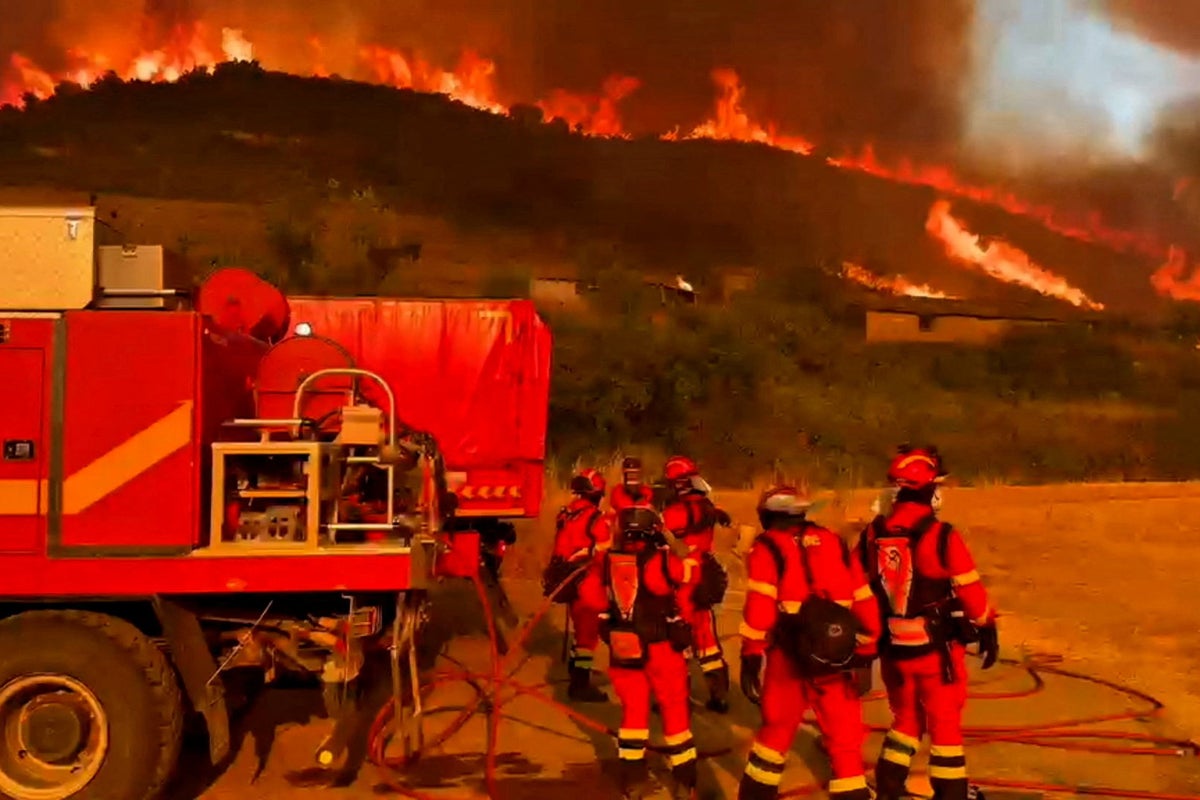
- Monitor AEMET and regional alerts: Keep an eye on local meteorological warnings and download emergency apps that offer real-time heat alerts and wildfire risk updates for your area.
- Use high-UPF sun protection: Standard light clothing won't stop intense UV rays during peak hours. Wear wide-brimmed hats, UV-blocking sunglasses, and breathable clothing with high UPF ratings.
- Know emergency numbers: Memorize 112, the general European emergency number. Spanish emergency services respond quickly, but knowing your exact location and basic health terminology helps immensely.
Traveling safely during extreme European heat waves comes down to flexible planning, respecting weather warnings, and radically shifting your daily timing to match the climate.