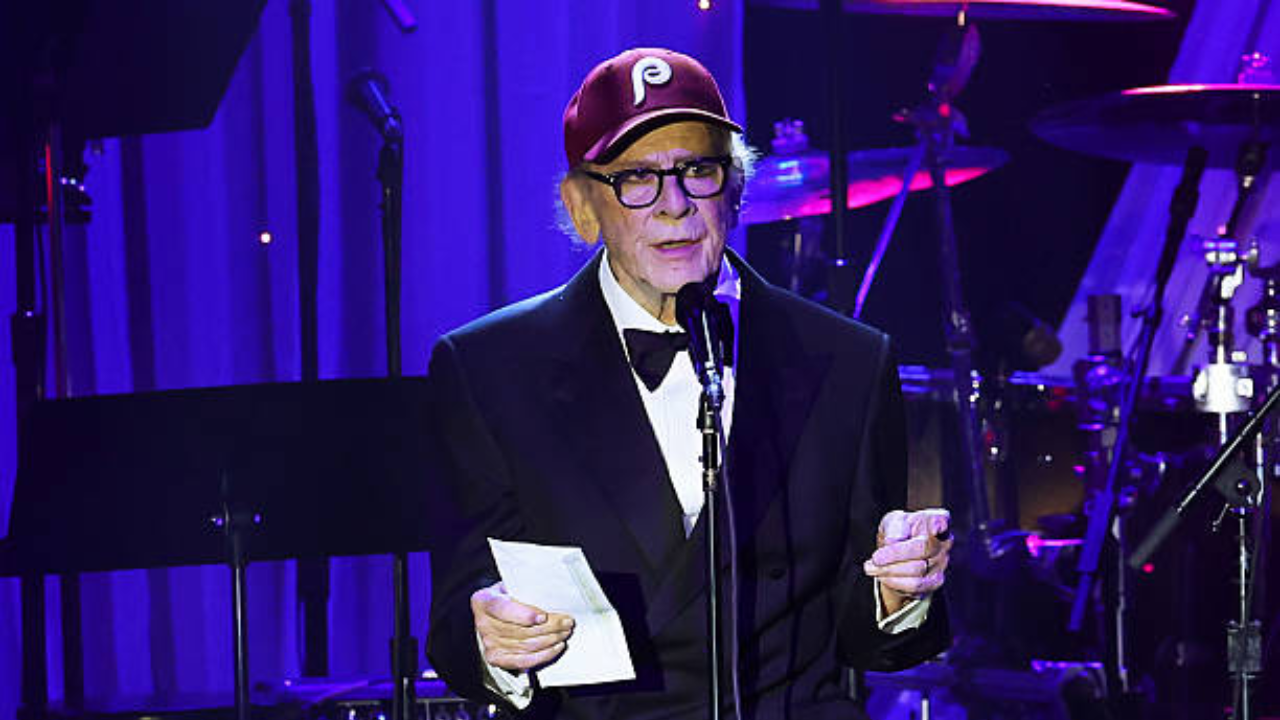
The radio still plays the old record in the corner of a dimly lit kitchen in Queens, long after the needle has worn a smooth, silent groove into the vinyl. Slow down, you move too fast. Those words were written half a lifetime ago, captured in a golden age of American folk harmony that felt like an endless summer morning. Back then, the nation was a canvas of open highways, grease-stained diners, and the humming electric promise of tomorrow. Voices like Art Garfunkel’s floated above the concrete and steel, offering a sanctuary of pure acoustic beauty in a world that was already beginning to fracture.
Now, the singer is eighty-four years old. The angelic tenor that once soared over Central Park is quieter, weathered by time and the heavy, accumulated weight of living through decades of cultural shifts. And the country that gave him a voice, a stage, and an enduring legacy is no longer a place he recognizes.
"I don't like America's position at all," Garfunkel confessed in a candid cultural assessment, admitting that the current political climate—specifically the shadow and reality of a Donald Trump presidency—has him seriously considering packing his bags and leaving the United States entirely.
It is a startling admission from a man whose very identity is woven into the American songbook. When an artist who helped soundtrack the collective American dream begins to look at the exit signs, it forces a reckoning. This is not merely about partisan politics or the petty squabbles of cable news cycles. It is about a deeper exhaustion. It is about the feeling that the country has lost its moral compass, trading its grace for a loud, transactional anger.
Consider what happens when the architects of our cultural memory decide the building is no longer safe to inhabit.
Garfunkel is not alone in his disillusionment, though his expression of it carries a unique historical resonance. For generations, artists, intellectuals, and weary citizens have threatened exile when the political pendulum swung too violently toward the extremes. Most stay. The gravity of home, family, and lifelong roots usually proves too strong to break. But the mere contemplation of departure by someone so thoroughly entrenched in the American consciousness reveals a fracture line that runs deeper than any single election cycle.
The modern American landscape is loud. It is saturated with digital fury, algorithmic outrage, and a relentless insistence that every neighbor must be an enemy. The quiet spaces where harmony once lived have been paved over with parking lots of grievance. Art Garfunkel spent his life creating art that demanded stillness, reflection, and emotional resonance. To watch the nation descend into a cacophony of insults and polarization is, for a man of his sensibilities, a form of spiritual exile long before any physical plane takes off.
America has always had a complicated relationship with its icons. We elevate them, immortalize their youth, and then expect them to remain silent props in our ongoing national psychodrama. We forget that artists are human beings who experience the daily anxieties of a changing world just like anyone else. When the political machinery of the state begins to feel hostile to human dignity, the dissonance becomes deafening.
Think about the texture of that disillusionment. It starts as a quiet ache when reading the morning headlines. It deepens during dinner table conversations where old friends can no longer look each other in the eye across political divides. Eventually, it hardens into a conviction that the air here has simply become too thin to breathe.
Whether the legendary singer ultimately leaves his homeland or chooses to stay and weather the storm matters less than the fact that he said it out loud. He gave voice to a quiet, lingering dread shared by millions who feel like strangers in their own zip codes. The America of open highways and gentle harmonies feels like a distant country, existing only on scratched vinyl and in the fading memories of those who remember when the music mattered more than the noise.
And as the last notes fade into the quiet room, the lingering question remains for the rest of us who choose to stay behind: how do we find our way back to harmony when the song is falling apart?


