Food prices aren't just high. They're exhausting. If you've walked down a grocery aisle lately and felt your stomach drop at the price of butter or bread, you aren't alone. Most people think the only options for struggling families are food banks or just skipping meals. That’s a bleak way to live. It strips away dignity. It turns a basic human necessity into a source of shame.
But a different model is taking over high streets across the UK and beyond. Social supermarkets are popping up to bridge the gap between "I can afford this" and "I need a handout." These shops don't just give food away. They let you buy it at a massive discount, usually around 30% to 50% of the retail price. It’s a retail experience, not a charity line. This model changes the psychology of getting help. It’s about empowerment, not just calories.
The concept is simple. Instead of receiving a pre-packed bag of canned beans and pasta from a food bank, you grab a basket. You pick what your kids actually like to eat. You pay a small fee or a membership price. You leave with your head held high. This shift in how we handle food insecurity is long overdue.
How Social Supermarkets Actually Work
The mechanics of a social supermarket differ from your local Tesco or Sainsbury’s. They don't buy stock from wholesalers at market rates. Instead, they tap into the massive amount of surplus in the food industry. We’re talking about high-quality food that is perfectly safe to eat but might have a printing error on the label, or maybe the supermarket ordered too many pallets of yogurt.
Organizations like FareShare or the Company Shop Group act as the backbone here. They rescue food that would otherwise head to a landfill and redirect it to these community hubs. When a social supermarket opens, it creates a sustainable loop. The food doesn't go to waste. The community gets fed. The local economy stays a bit more stable because people have more money left in their pockets for electricity and rent.
You’ll often find these shops require a membership. This isn't to be elitist. It’s to ensure the food reaches the people who need it most—those on low incomes or receiving benefits. In some spots, you might pay £5 for a shop that would cost £25 or £30 elsewhere. It’s a massive relief for a tight budget.
The Dignity Gap in Modern Food Support
Food banks are a vital safety net. Nobody is saying we should get rid of them. But let’s be honest. Standing in a queue for a handout feels terrible. It’s a public admission that you can’t provide for your family. That weight stays with you.
Social supermarkets solve the dignity gap. When you walk into a shop like the ones operated by Community Grocery or the Feeding Britain network, you’re a customer. You’re making choices. If you want the green apples instead of the red ones, you get them. If you hate chickpeas, you don't have to take them. That agency matters for mental health.
I’ve seen how this works in practice. A parent who can choose the ingredients for a Sunday roast feels a lot better than a parent who is handed a random box of "emergency food." It’s the difference between being a passive recipient of charity and an active participant in your community.
More Than Just Groceries
If you think these places are just about cheap milk, you’re missing the bigger picture. The most successful social supermarkets function as community anchors. They aren't just stores; they’re hubs for life transformation.
Many of these locations offer extra services on-site. You might walk in for eggs and end up chatting with a debt advisor. Or you might sign up for a cooking class that teaches you how to make five meals out of a bag of lentils.
- Debt Advice: Real help for people drowning in high-interest loans.
- Mental Health Support: A friendly face and a cup of tea for those feeling isolated.
- Job Coaching: Assistance with CVs and interview prep right in the shop.
- Cooking Skills: Learning how to use "strange" surplus veg that people often avoid.
This is why they’re growing so fast. They tackle the root causes of why someone can't afford food in the first place. If you just give someone a bag of rice, they’ll be back next week. If you help them sort their debt and find a better job while they buy that rice, you’re actually solving the problem.
The Massive Scale of Food Waste
It’s frankly disgusting how much food we throw away while people go hungry. In the UK alone, millions of tonnes of food are wasted every year across the supply chain. Not just at home, but in the factory and at the warehouse.
Most people assume food waste is just about brown bananas. It’s not. Sometimes it’s just a change in branding that makes a pallet of cereal "unsellable" to a major chain. That’s perfectly fine food. It’s a waste of the energy, water, and labor used to make it. Social supermarkets are a practical solution for this inefficiency.
When you shop at one of these places, you’re also doing a bit for the planet. You’re keeping good food out of landfills. You’re proving that the current food system is broken and needs a rethink. It’s more than just a bargain. It’s a protest against a system that thinks it's better to bin food than to sell it cheap.
The Problem with Traditional Food Banks
Look, food banks are struggling. They’re overwhelmed by demand. In the past few years, the Trussell Trust has seen a record-breaking number of people needing their help. Many of these people have never had to use a food bank before.
The traditional food bank model has some serious flaws that social supermarkets fix. For starters, you can’t always get fresh produce. It’s mostly non-perishables. That’s why you see so many cans of soup and pasta. It’s hard to keep a family healthy on just canned food.
Social supermarkets have better refrigeration and turnover. They can handle milk, eggs, meat, and fresh fruit. This is a game-changer for people with health conditions or kids who need a balanced diet. It’s also better for the long-term health of the community.
Another problem is the "three-day" limit. Most food banks only give you enough food for a few days. Then you’re back to square one. A social supermarket is a place you can go to week in and week out. It’s a predictable part of your budget. You know you can rely on it, which reduces the constant anxiety of not knowing where your next meal is coming from.
A Typical Social Supermarket Shop
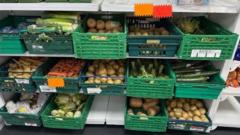
What does it actually look like inside? It’s not a dusty warehouse. These places are bright, clean, and organized. You’ll see shelves stocked with brands you recognize. You’ll see a produce section with fresh carrots, potatoes, and whatever else is in season.
A typical shop might include a bag of pasta, a jar of sauce, a loaf of bread, some apples, and maybe a treat for the kids like a box of biscuits. All of this might cost you £3 or £4. In a standard supermarket, you’re looking at over £10.
Think about what that extra £6 or £7 means to a family on the breadline. It means the heating stays on for another day. It means a pair of new school shoes is a bit more affordable. It means a little less stress at the end of the month.
The Future of Community Shopping
This isn't just a temporary fix for a cost-of-living crisis. It’s a better way to do community support. We should see more of these in every town. They should be as common as a local library or a post office.
There’s some pushback, of course. Some people worry it will take business away from local shops. But the people using social supermarkets aren't usually the ones spending big at the high-end grocers. They’re people who are already struggling to survive.
What we really need is more support for the logistics behind these shops. We need better ways to get surplus food from the big manufacturers to the small community stores. We need more volunteers to help run the shops. And we need more awareness so people don't feel like there’s a stigma attached to using them.
How You Can Get Involved
If you're lucky enough to be in a position where you don't need these services, you can still help. You can volunteer your time. You can donate money to organizations that supply these shops. You can even advocate for one in your own neighborhood.
If you do need help, don't wait until you're in a total crisis. Look up your local social supermarket. Most of them have websites or Facebook pages. Check if you meet the membership criteria. Go in and have a look around.
- Search Online: Use terms like "community grocery," "social supermarket," or "pantry" followed by your town name.
- Check with Your Council: Local authorities often have lists of food support services.
- Visit the Feeding Britain Website: They have a map of many of these locations.
The best time to act is before you run out of food entirely. These shops are there for you. They’re part of your community, and there’s no shame in using them. In fact, by shopping there, you’re helping to reduce food waste and support a better way of doing things.
The bottom line is simple. We have plenty of food. We have plenty of people who need it. Social supermarkets are the missing link that brings those two things together with dignity and common sense. It’s a win for the community, a win for the environment, and a win for your wallet.