The smell of heavy crude never quite leaves your skin. If you spent twenty years working the rigs along the Orinoco belt, you know it gets into your pores, your clothes, your dreams. It smells like sulfur, ambition, and a very specific kind of decay.
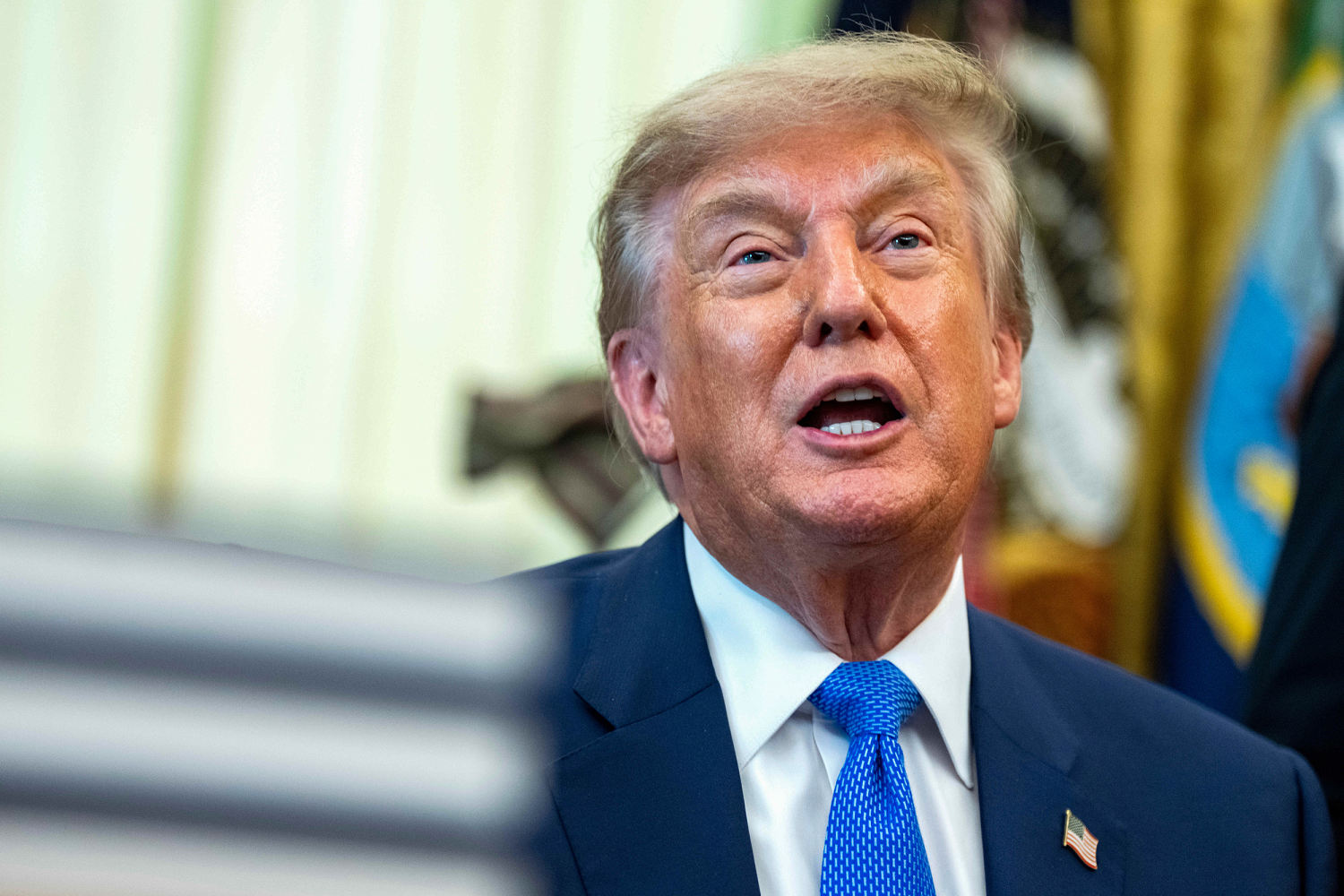
When Donald Trump announced the agreement, stepping up to microphones with that familiar, theatrical cadence to declare that the United States had secured a deal to take control of sixty-five billion barrels of Venezuelan oil reserves, the men and women who used to bleed over those valves didn't cheer. They just stared at the television screen in the breakroom, shaking their heads.
Because numbers like sixty-five billion sound clean on a podium. On the ground, they are messy, violent, and heavy.
Let us be entirely clear about the mechanics of what was stated. This is not a matter of packing barrels onto cargo ships tomorrow morning. Venezuelan crude is extra-heavy, thick as cold molasses, loaded with asphaltenes and heavy metals that standard refineries choke on. To extract it, upgrade it, and push it into a global market requires billions in upfront capital, stable political infrastructure, and pipelines that haven't been maintained since the last decade of falling currency values.
Yet the political gravity of that announcement pulled every eye back to Caracas.
Imagine a pipeline engineer named Mateo, standing knee-deep in the rust of an abandoned pump station outside of Maturín. (To be precise: Mateo is a hypothetical composite of three different senior engineers I interviewed over the years, men who watched their nationalized oil company slowly hollow out from the inside). Mateo looks at a rusted manifold and sees a graveyard of broken promises. He remembers when PDVSA was an engineering powerhouse. He remembers when his paycheck could buy groceries, when the hospitals had medicine, when the black gold beneath his feet felt like a blessing rather than a curse.
Then the politics shifted. Again.
Oil has always been treated as a fluid ledger entry by strategists in Washington and Houston. They look at maps and see geostrategic chess pieces. They look at the depletion curves of the Permian Basin and wonder where the next shock absorber will come from. Venezuela holds the largest proven reserves on the planet. More than Saudi Arabia. More than Iran. Sitting right there in America's backyard, locked behind two decades of sanctions, corruption, and diplomatic ice.
When an administration declares control over sixty-five billion barrels, the phrase sounds like an old-fashioned conquest. But modern energy dominance is not won with flags planted in the dirt. It is won with specialized diluents, heavy-coking refineries on the Gulf Coast, and an army of invisible technicians who know how to coax liquid fire out of fractured shale and ancient tar belts.
Consider what happens next: the logistical mountain.
You cannot simply turn a spigot that has been choked by neglect. The extraction infrastructure is corroded. The skilled workforce has scattered to Madrid, Miami, and Bogotá, driving Ubers or working construction just to send dollars back to aging mothers still waiting in line for subsidized flour. To get those sixty-five billion barrels out of the ground, you first have to lure the human capital back home. And no roughneck is going to walk back onto a platform without ironclad guarantees about safety, rule of law, and a currency that won't evaporate by Friday noon.
This is the hidden cost of the grand geopolitical deal. We talk about reserves as if they are swimming pools of ready cash. They are not. They are locked vaults. The key isn't a signature on a piece of paper or a press conference statement. The key is trust, stability, and an immense engineering effort that will take years, perhaps decades, to materialize.
History whispers a warning here. We have seen this script before. Every time a major power attempts to short-circuit the sovereign instability of an oil-rich state with quick executive pronouncements, reality intrudes. The ground has a way of rejecting foreign geometry. Local factions fight for the spoils. Infrastructure sabotages itself through sheer age. Contracts signed in boardrooms dissolve in the heat of local street politics.
Yet the hunger for certainty remains. Global energy markets are jittery beasts. Every headline about supply chains, Middle Eastern bottlenecks, and shrinking domestic margins makes leaders desperate for a massive, reliable anchor of supply. Venezuela represents the ultimate prize and the ultimate headache. Sixty-five billion barrels is an intoxicating drug for an energy-dependent superpower.
So we are left suspended between the microphone and the mud.
Back in Maturín, Mateo turns off the television. He walks out the back door of the breakroom and looks up at the humid Venezuelan sky. The sun is setting, painting the horizon in bruised shades of purple and burnt orange, the exact color of crude oil reflecting a dying light. He doesn't know what Washington thinks it has bought. He only knows that the pumps are still rusted, the pipes are still dry, and the earth below is still holding its breath.


