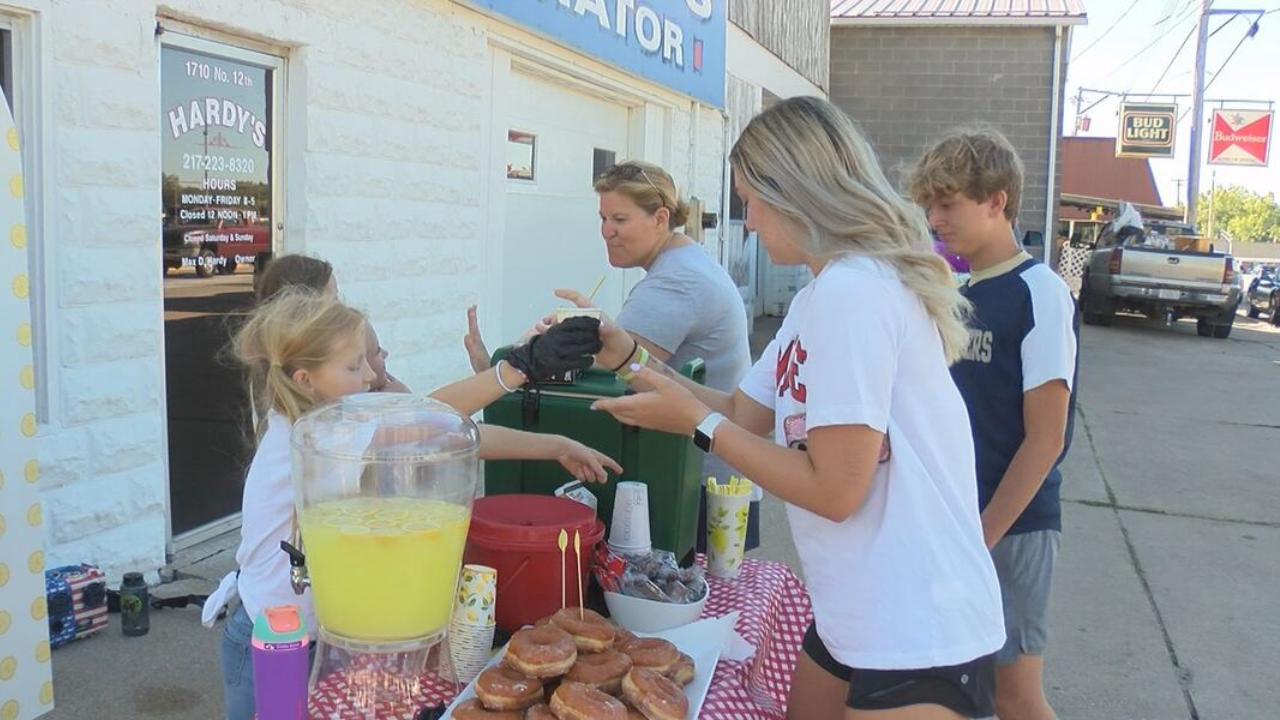
Most kids set up a card table on the sidewalk, sell cups of sugary water to passing neighbors for fifty cents, and call it a day after running out of ice. They make twenty bucks, buy some candy, and forget about the whole thing by dinner time. Grace didn't do that. When she started her sidewalk stand at age six, she had a modest goal of ten dollars. Seven summers later, that same venture pulled in fifty-five thousand dollars.
People love to frame these stories as random bursts of childhood luck. They aren't. If you look closely at how a simple beverage stand evolves into a serious commercial operation over seven years, you see a masterclass in adaptation, pricing strategy, and brand loyalty. Let's break down why most youth businesses fail in week two while others turn into sustainable financial engines.
The Real Economics of the Sidewalk Stand
You don't accidentally make fifty-five grand selling lemon juice and sugar. The math alone tells a brutal story. If you sell a cup for a dollar, you need to sling fifty-five thousand cups to hit that milestone. No child has that much frontage or free time.
To reach those numbers, the business model has to change. It has to pivot from a localized novelty into a recognized local brand with repeat customers, optimized supply chains, and high-margin product extensions.
Most people get stuck thinking a business is just about the product. It isn't. It's about the distribution channel and the emotional connection you build with your buyers. When Grace set up shop, she didn't just dump powder into a pitcher. She treated her neighborhood like a target market. She picked high-foot-traffic zones during local community events, sports leagues, and weekend markets. She understood location before she even learned fractions.
Why Scale Fails Young Founders
Kids usually quit because running a business is genuinely exhausting. Peeling lemons hurts your fingers. Hauling water gets heavy. Dealing with permits or grumpy neighbors who complain about blocked driveways drains your enthusiasm fast.
Grace stayed in the game for seven summers because her operation evolved. She didn't stay a one-girl show squeezing fruit by hand forever. She brought in family members, built a routine, and treated her operation like a real job rather than a weekend hobby.
When you scale any small enterprise, your biggest bottleneck is always labor and time. By turning the stand into a family and community project, the business gained the operational bandwidth to handle larger crowds. They weren't just selling on random Tuesday afternoons anymore. They were booking corporate sponsors, local festivals, and charity partnerships.
The Power of a High-Margin Product Extension
If you only sell standard lemonade, your revenue hits a strict ceiling based on how many paper cups you can physically hand out. To break past local neighborhood limits, successful operators introduce variations that command higher prices.
Think about what drives premium pricing in the beverage market. People don't pay four dollars for plain water with citrus flavor. They pay for experience, quality ingredients, and novelty. Over the years, this operation didn't just stick to the classic yellow recipe. They added specialty flavors, custom branding, and merchandise.
When you attach a charitable angle to a brand, consumer behavior shifts entirely. People are far more likely to hand over a twenty-dollar bill and tell the kid to keep the change if they know the proceeds support a bigger mission. Grace aligned her stand with causes she cared about, turning a simple transaction into a community movement.
What Entrepreneurs Can Learn From a Lemonade Stand
You might run a software startup, a freelance design agency, or a local retail shop. The mechanics remain identical.
- Start small, but test relentlessly. Don't spend six months planning a launch. Put something simple in front of real buyers on day one and see what they actually pay for.
- Location is your leverage. If nobody walks past your door, your product doesn't matter. Go where the attention already lives.
- Protect your margins. Watch your input costs closely. If lemons and cups eat all your profit, you're just working for free.
- Build an emotional hook. People buy from people they root for. Give them a reason to want you to win.
Building Your Own Long Term Venture
If this story inspires you to launch something, stop waiting for the perfect market conditions. You don't need a venture capital round to test a business idea. You need a table, a product people actually want, and the stubbornness to show up for seven summers straight.
Take a hard look at what you're trying to sell right now. Are you waiting for everything to be seamless, or are you willing to get your hands sticky in the driveway? Success doesn't belong to the people with the best spreadsheet. It belongs to the ones who stay in the game long enough for the math to finally work in their favor.