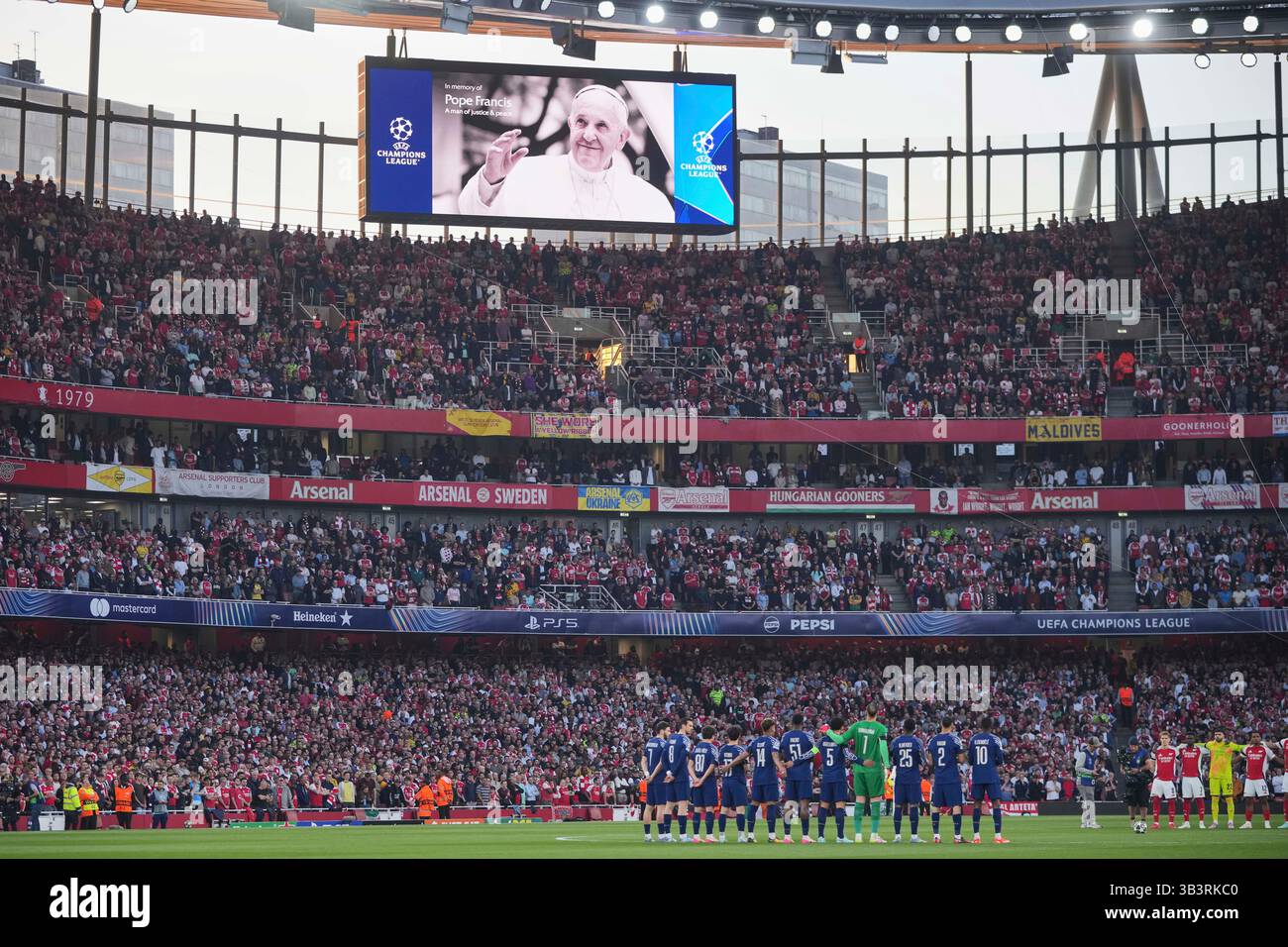
The stadium lights are blinding, casting long, phantom shadows across the meticulously manicured grass. To the thousands in the stands, a football match is sound and fury. It is the roar of the crowd, the sharp blow of a whistle cutting through the damp evening air, the rhythmic thud of a boot striking leather, and the electric hum of anticipation that precedes a goal. We consume this spectacle as theater. We judge the athletes by their speed, their precision, their stamina under pressure. We forget that underneath the jerseys and the hyper-conditioned exterior, they are simply human beings, fragile and flesh-bound.
Then, the noise stops.
Imagine standing on the edge of a pool in the dead of night. The water is terrifyingly still, a dark mirror reflecting nothing. This is where the story of Yael Trepy diverges from the glowing screens and roaring stadiums. The French Serie A footballer, a young man whose life was defined by explosive acceleration and the relentless pursuit of the ball, found himself facing an entirely different kind of endurance test. One that had nothing to do with tactics, league tables, or transfer windows.
Intensive care. Two terrifying words that strip away the glamour of professional sports and reduce life to its most fundamental denominator: the rise and fall of a chest.
In the quiet hours following the near-drowning incident, the world outside didn't know what to do with the news. Sports journalism is built for speed. It thrives on match reports, injury updates, and tactical breakdowns. It is notoriously ill-equipped for stillness. When the headlines broke—stark, clinical, and jarring—they forced a collective intake of breath across the footballing community. Yael Trepy, a player whose career was ascending, was suddenly fighting for his life in a hospital bed.
We have all experienced water turning from a source of joy into a trap. As someone who once spent too many agonizing seconds beneath the surface of a crowded municipal pool, limbs heavy and lungs burning for oxygen, I know the absolute panic that accompanies suffocation. It is a primal terror. The world narrows to a pinprick. Sound muffles into a distant, underwater drone. Panic whispers that this is the end. For an athlete, whose entire existence is governed by control—controlling the ball, controlling the pace, controlling the body—losing control of something as basic as breathing is a psychological abyss.
Medical professionals talk about hypoxia in measured tones. They speak of oxygen deprivation, cerebral edema, and stabilization protocols as if these are equations to be solved on a whiteboard. But behind every monitor beep is a human soul suspended in the balance.
Consider what happens inside an intensive care unit. It is a place where time loses its shape. There is no day or night, only the relentless rhythmic hiss of ventilators and the blinking green lines of vital signs. Friends, family, and teammates wait in sterile corridors, locked in a paralyzing limbo. They replay the last text message, the last training session, the last casual joke in the locker room. The contrast is agonizing. Just hours earlier, adrenaline was the currency of the day. Now, it is patience. Agonizing, excruciating patience.
Football teaches resilience. Every player knows how to bounce back from a torn ligament, a missed penalty, or a brutal tactical defeat. They are conditioned to view adversity as a hurdle to be jumped. But how do you train for a tragedy that strikes outside the white lines? How do you coach a team through a teammate's brush with mortality?
You don't. You simply hold your breath and hope.
The broader conversation surrounding athlete health often fixates on the physical toll. We obsess over concussions, hamstring tears, and cardiac screenings. We debate the sheer volume of matches crammed into a modern calendar, wondering when the human engine will finally redline and break. Yet, accidents happen in the margins of life. They remind us that vulnerability does not check its credentials at the stadium gates.
When news like this breaks, it triggers a strange collective empathy. Strangers who have never cheered for Trepy's specific club suddenly find themselves checking news feeds late at night, searching for a single word: stable. Why do we care so deeply about people we have never met? Because sports serve as our modern mythology. These athletes carry our collective aspirations. When one of them falls, especially in a manner so terrifyingly mundane and separate from the glorious violence of the sport itself, it shatters the illusion of invincibility.
We are all fragile. That is the quiet, sobering truth whispered by the intensive care monitors.
Recovery, when it comes, is rarely cinematic. There is no triumphant musical score swelling as the patient opens their eyes. It is slow. It is frustrating. It involves relearning basic rhythms, fighting through exhaustion, and confronting the psychological ghosts left behind by trauma. For a professional athlete, the journey back to the pitch is dwarfed by the simpler, harder journey back to everyday life. Walking unassisted. Breathing without mechanical help. Remembering how the sunlight feels on your face without the filter of hospital glass.
As the medical teams work tirelessly behind closed doors, the football world keeps turning. Matches are played. League tables shift. The commentators talk on. But something has fundamentally changed in the air around the club. The game has been put into perspective.
The stadium lights will come on again next weekend. The fans will fill the stands, their voices merging into a singular, thunderous roar. But somewhere in that crowd, or perhaps watching from a quiet room with a pale blue glow reflecting in his eyes, a young man will understand the weight of every single breath in a way the rest of us can scarcely imagine.
The match continues. But the silence remains.