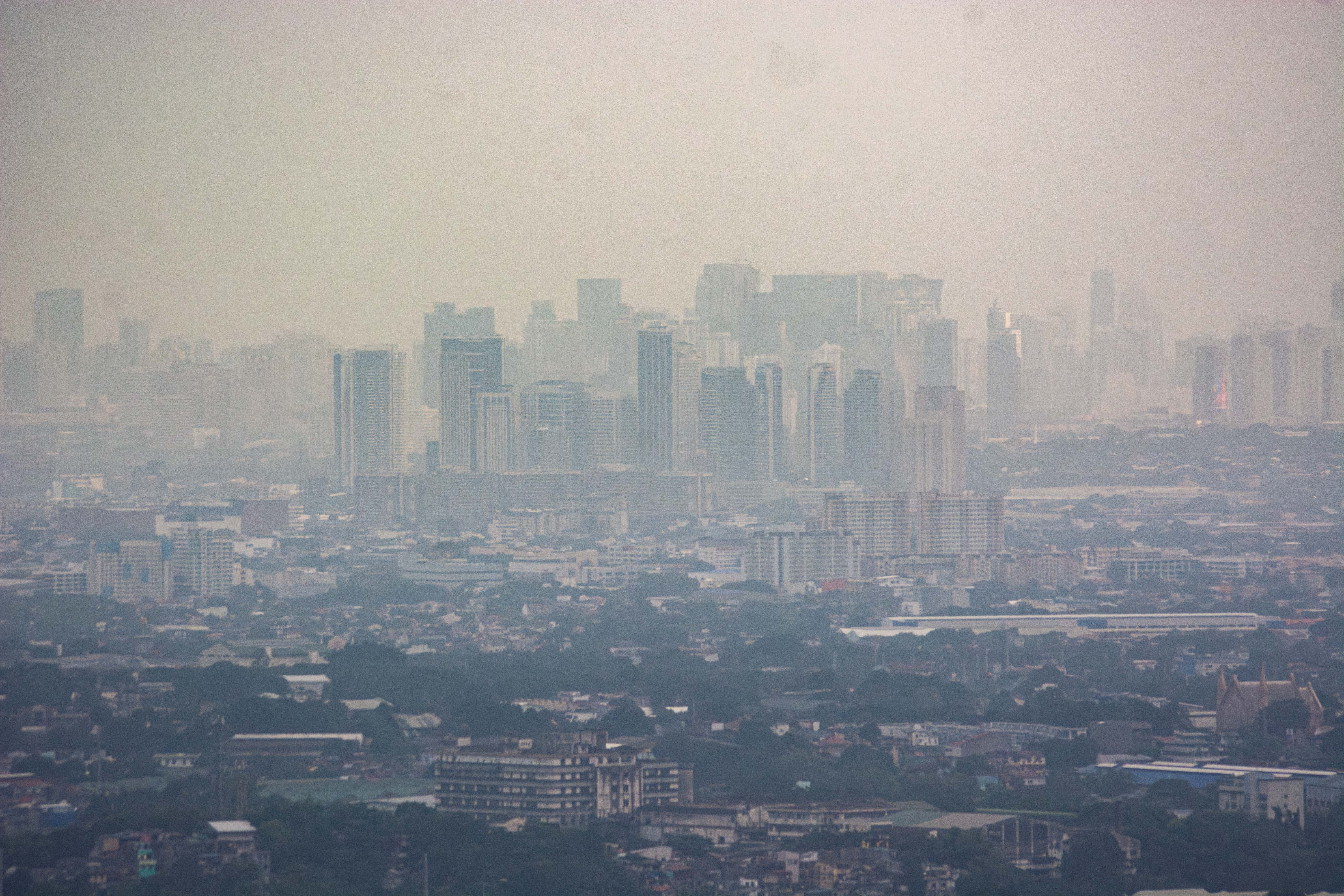
Correlation is not causation. That is the first rule of data science, yet it is the exact rule discarded every time a headline claims that dismantling U.S. embassy air quality monitoring directly caused global smog to surge.
The viral narrative is seductive because it is simple. A policy decision happens in Washington, diplomatic sensors go dark in major capitals, and shortly afterward, particulate matter readings in certain cities climb. Connect the dots, blame the policy, and publish the outrage.
The problem with this framing is that it mistakes the thermometer for the fever. Turning off a sensor on an embassy roof does not put a single extra diesel truck on the road, fire up a dormant coal plant, or alter atmospheric inversion layers. When commentators argue that ending embassy air monitoring caused pollution to spike, they are conflating two entirely separate phenomena: the physical reality of emissions and the political visibility of data.
To understand what actually happens when diplomatic monitoring stops—and why the real story is far more complex than a partisan talking point—you have to look at how atmospheric telemetry, local governance, and meteorological cycles actually work.
The Difference Between Measuring Smog and Making It
Air pollution is governed by physics, chemistry, and economics, not by whether a U.S. diplomatic mission is tweeting hourly Air Quality Index (AQI) updates.
When the State Department originally launched its air quality monitoring program—most famously at the U.S. Embassy in Beijing in 2008—the goal was never to scrub particulates out of the sky. The goal was transparency and personnel safety. Diplomats needed accurate, unvarnished data on fine particulate matter (PM2.5) to know when to run HEPA filters, when to keep children indoors, and when to issue hardship pay.
Before those rooftop monitors existed, host governments frequently published opaque "blue sky" metrics or reported broader particulate categories like PM10, which are less dangerous to human health than microscopic PM2.5 particles capable of entering the bloodstream. The embassy monitors broke a state monopoly on environmental data. They embarrassed local officials into acknowledging a crisis they had previously downplayed.
However, removing that embarrassment is not the same thing as instantly generating millions of tons of industrial exhaust.
If air quality degraded in specific cities following changes to U.S. monitoring programs, three structural drivers—not the absence of an American sensor—account for the shift:
- Seasonal Meteorology and Thermal Inversions: Air pollution in major basins like the Indo-Gangetic Plain, the North China Plain, or Central Asian valleys follows strict seasonal rhythms. During winter months, cold air gets trapped beneath a lid of warm air, preventing vertical dispersion. Even if emissions remain completely flat from October to January, ground-level PM2.5 concentrations can triple purely due to atmospheric stagnation.
- Macroeconomic Rebounds and Industrial Cycles: Post-pandemic industrial recovery, shifts in global energy prices, and seasonal agricultural burning drive massive swings in emissions. When natural gas prices spike, developing economies routinely switch back to high-sulfur coal and biomass. That economic substitution alters air chemistry overnight; a diplomatic budget cut does not.
- Selection Bias in Remaining Data: When high-precision, reference-grade embassy monitors go offline, analysts rely on alternative data streams—such as satellite Aerosol Optical Depth (AOD) retrievals or low-cost commercial sensor networks. Satellites measure the entire vertical column of air from space rather than what people breathe at street level, while low-cost optical sensors often over-report PM2.5 during high-humidity events because water droplets scatter laser light just like smoke particles do.
Blaming a monitoring cut for an atmospheric spike ignores every single one of these physical realities.
The Uncomfortable Truth About Diplomatic Sensor Networks
Critics of the State Department's decision to scale back or discontinue public air quality feeds often treat the program as an irreplaceable pillar of global environmental science. In reality, environmental engineers and atmospheric scientists have long debated the limitations of embassy-based monitoring.
A single monitor on a heavily guarded diplomatic compound represents one point in a sprawling metropolis of ten or twenty million people. Urban air pollution is hyper-local. A sensor located near a major highway interchange or an embassy's own backup diesel generators will record vastly different numbers than a monitor placed in a residential park three miles away.
Over-relying on a single embassy feed created a distorted picture of urban air quality for years. Residents and journalists treated one building's rooftop reading as the definitive score for an entire city.
Furthermore, maintaining reference-grade Beta Attenuation Monitors (BAMs) in harsh environments requires constant calibration, specialized replacement parts, and technical oversight. In diplomatic posts facing staffing shortages or heightened security threats, keeping an outward-facing environmental feed running often became a logistical liability.
What Critics Get Right—And Where They Overreach
To dismiss the claim that ending embassy monitoring caused pollution is not to defend the decision to shut the monitors down. Transparency has real, measurable value, and there are legitimate downsides to pulling the plug on public data.
- The Accountability Vacuum: Public pressure works. Research from institutions like the Energy Policy Institute at the University of Chicago (EPIC) has demonstrated that public access to real-time air quality data increases citizen demand for clean air, prompting governments to enforce existing emissions rules more strictly. Without an independent benchmark, local authorities face less political friction when enforcement slips.
- The Calibration Anchor: Satellite models and low-cost citizen science networks like IQAir or PurpleAir depend on reference-grade ground stations to calibrate their algorithms. Embassy monitors often served as the only publicly accessible, internationally verified "ground truth" in cities where host governments restricted raw sensor data.
- The Information Asymmetry: When public feeds disappear, wealthy expatriates and corporations still buy private indoor monitors and commercial forecasts. Working-class residents lose free, reliable warnings about hazardous air days.
The nuance lies in separating enforcement drift from instantaneous pollution spikes. Over years, reduced transparency can lead to lax regulatory enforcement, which gradually allows emissions to creep upward. Over weeks or months, however, the sky does not suddenly darken because a server in Washington stopped pushing JSON files to an API.
How Independent Analysts Actually Track Air Quality Without Embassies
If you want to know what is really happening in the air over New Delhi, Beijing, Jakarta, or Lahore, relying on a single government's diplomatic apparatus was always a fragile strategy. Modern atmospheric monitoring has moved far beyond single-point rooftop boxes.
1. Multi-Spectral Satellite Telemetry
Agencies like NASA and the European Space Agency operate orbital instruments—such as MODIS, VIIRS, and the Tropospheric Monitoring Instrument (TROPOMI) aboard Sentinel-5P—that track nitrogen dioxide ($NO_2$), sulfur dioxide ($SO_2$), carbon monoxide, and aerosol optical depth globally every single day. Unlike a ground station, a satellite cannot be unplugged by a local mayor or defunded by a diplomatic budget cut. By tracking $NO_2$ plumes, analysts can directly observe industrial combustion and vehicular traffic patterns in near real time.
2. Distributed Low-Cost Sensor Meshes
While individual low-cost laser particulate sensors suffer from humidity drift, dense networks of hundreds of sensors across a city provide something a single embassy monitor never could: spatial granularity. By applying machine-learning correction factors that account for relative humidity and temperature, researchers can map pollution corridors neighborhood by neighborhood.
3. Open-Source Environmental Aggregators
Platforms like OpenAQ aggregate data from thousands of government, academic, and community stations worldwide into standardized formats. Even when one nation steps back from publishing data, municipal agencies, local universities, and international research consortia continue feeding measurements into open repositories.
Stop Confusing the Dashboard With the Engine
Imagine a scenario where a logistics company removes the fuel gauges from its fleet of delivery trucks to save on maintenance costs. Two weeks later, several trucks run out of gas on the highway. A naive observer claims that removing the gauges drained the fuel tanks. An experienced fleet manager knows the truth: the trucks burned fuel at the exact same rate they always did—the drivers just lost the warning light telling them when to pull over.
That is the exact dynamic playing out in the debate over embassy air monitoring.
Treating diplomatic monitoring cuts as the direct physical cause of dirty air lets the actual polluters off the hook. It shifts blame away from coal subsidies, unregulated brick kilns, aging vehicle fleets, crop-residue burning, and weak domestic environmental agencies, pinning everything on a convenient political scapegoat thousands of miles away.
If you care about clean air, demand open satellite data, support local independent monitoring networks, and hold domestic industrial regulators accountable for actual emissions reductions. Watching the sensor is not the same thing as cleaning the sky.