The afternoon tea was still steaming in its porcelain cup when the floorboards began to groan. In the southwestern reaches of China, where the mountains rise like jagged teeth against the sky, stability is an illusion we buy into every single day. We walk on concrete, sleep under tiled roofs, and trust that the ground beneath our feet is a solid, unmoving anchor.
It never is.
When a 5.2-magnitude earthquake strikes, it does not arrive with a theatrical roll of thunder. It begins with a shudder. A violent, vertical jolt that snaps the spine of old brickwork and makes the most familiar room look entirely alien. Within seconds, the quiet rhythm of a Tuesday afternoon vanishes, replaced by the terrifying roar of shifting earth and collapsing mortar.
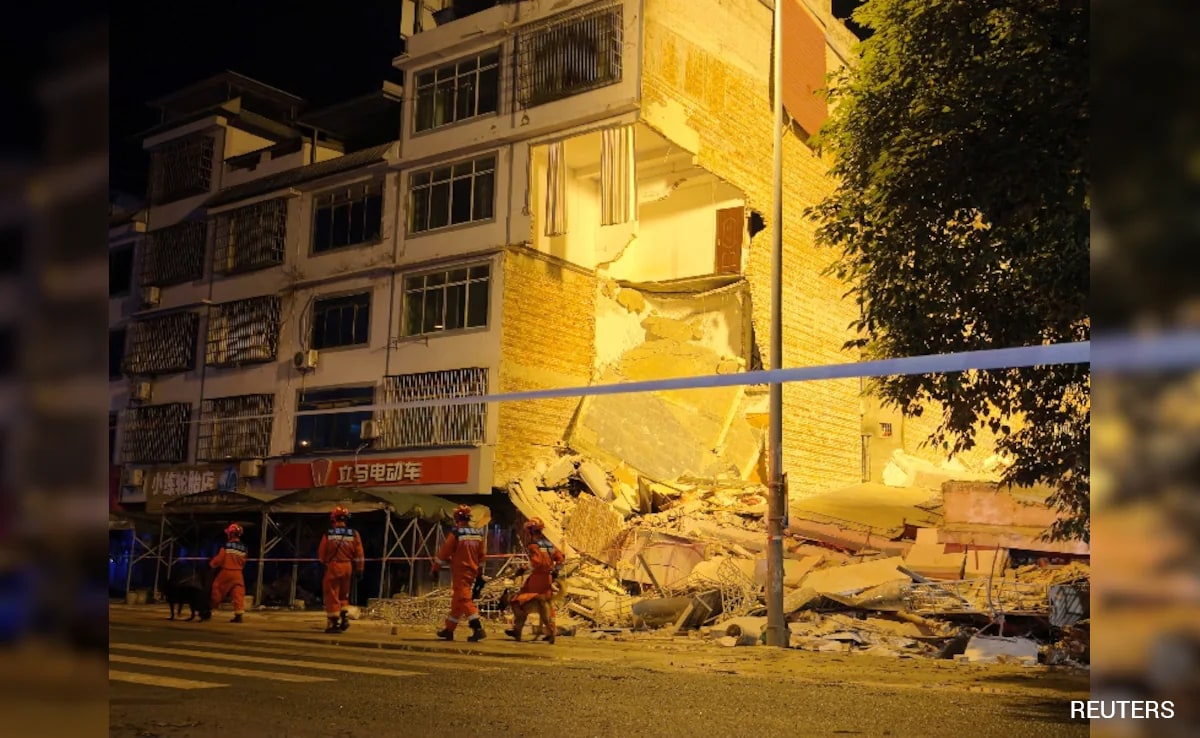
Thirteen buildings crumbled into dust during those few chaotic moments. To an actuary or a distant news anchor, thirteen is just a number on a spreadsheet, a minor statistic in a seismological database. But to anyone who has ever felt the walls of their life cave inward, thirteen represents thirteen specific centers of gravity. It means thirteen roofs that once kept out the rain, now pancaked into layers of shattered concrete and splintered wood.
The human cost of these tremors is rarely measured in the immediate headlines. The initial reports state the barest, coldest facts: two lives lost.
Two.
It sounds small compared to the cataclysms that swallow entire cities. Yet, a casualty list of two is not a relief; it is a profound tragedy narrowed down to two empty chairs at a dinner table. It is the sudden, permanent silence of two voices that, just minutes prior, were talking about dinner, or the weather, or the harvest. When the earth moves violently enough to stop a human heart, the magnitude of the disaster cannot be quantified by the Richter scale. It can only be measured by the depth of the absence left behind.
Consider what happens the moment the shaking stops.
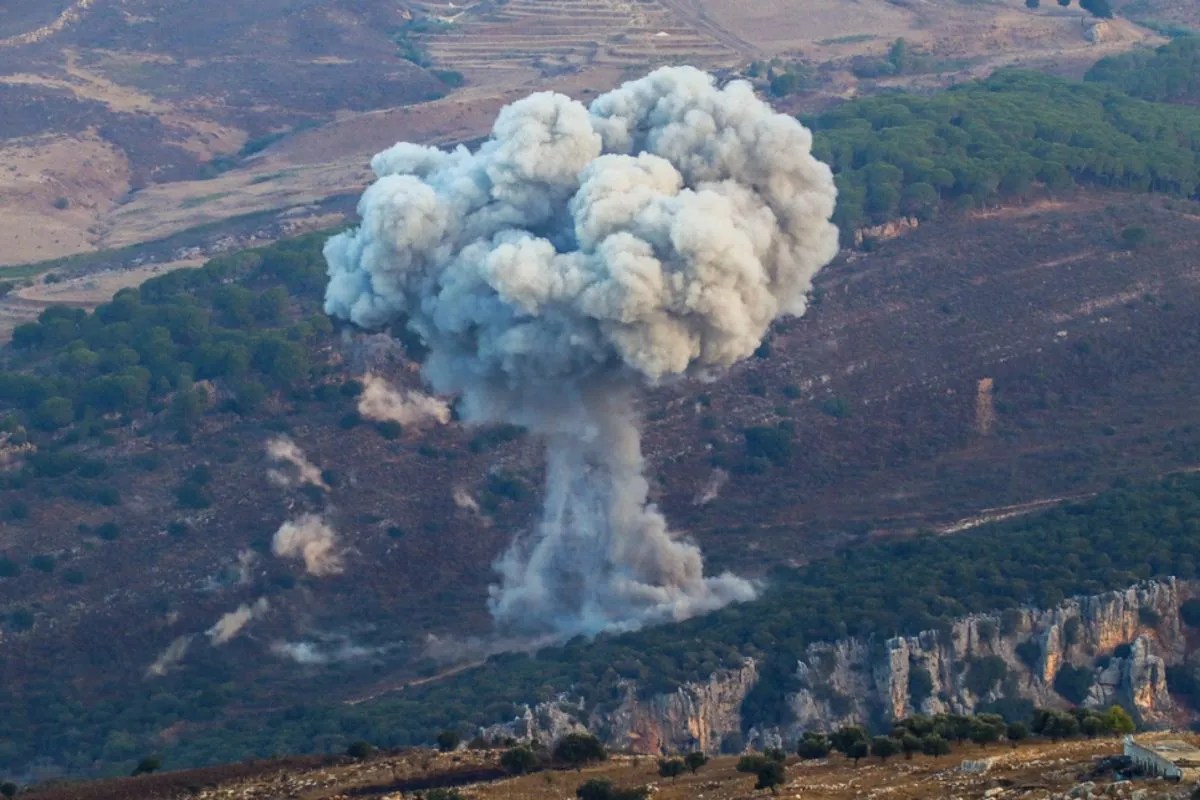
The air is thick with a choking gray shroud of pulverized limestone. Your eyes sting. Your throat burns. The silence that follows a major tremor is heavier than the noise that preceded it. It is a breathless, suspended silence where neighbors look at neighbors, checking for blood, checking for breath, realizing in a flash of adrenaline that the world they inhabited sixty seconds ago no longer exists.
The Fragility of What We Build
In the rural and semi-urban corridors of China, architecture is a living timeline. You see modern, reinforced concrete structures standing shoulder-to-shoulder with older, unreinforced brick-and-timber homes. These older buildings carry the charm of history, the patina of generations who have swept their floors and painted their doors.
But charm possesses no structural integrity when tectonic plates collide.
A 5.2-magnitude event is classified by geologists as a moderate earthquake. It happens hundreds of times a year across the globe. In a highly modernized metropolis built on flexible steel pillars and advanced dampers, a tremor of this size might do little more than rattle the office coffee mugs and trigger a few car alarms.
The real problem lies elsewhere. In the regions where development has moved faster than structural retrofitting, a moderate quake behaves like a sledgehammer. The traditional gray bricks, held together by aging mortar, simply cannot handle the sheer stress of horizontal ground acceleration. The walls bow outward. The heavy tiled roofs, designed to withstand mountain winds, become lethal weights pushing down on weakened foundations.
When those thirteen buildings gave way, they did not just fall. They disintegrated. The energy rippling through the fault line found the weakest links in the local infrastructure and severed them without mercy.
Emergency responders arrived while the dust was still settling over the rubble. Rescue in the wake of a localized collapse is a grueling, agonizingly slow process. Heavy machinery cannot always navigate the narrow, debris-choked alleyways of older villages. Even when the excavators arrive, they must often stand idle. Heavy claws risk shifting the precarious mountains of broken concrete, crushing anyone trapped in the void spaces below.
Instead, the work is done by hand.
Soldiers, firefighters, and volunteers dig with shovels, crowbars, and bare fingers. They move pieces of history out of the way, stone by stone, listening intently during the mandatory moments of absolute silence for the sound of a voice, a cough, or the faint tapping of a rock against a pipe.
The Invisible Ripples of a Quake
The physical destruction of a home is a visible wound, but the psychological fracturing of a community is an invisible one. For every building that fell, dozens of others were left cracked, compromised, and unsafe to enter.
Imagine standing outside your own home, looking at a jagged fissure running from the foundation all the way to the eaves. The authorities tell you it is too dangerous to sleep inside. The weather is turning cold as the sun dips behind the mountains. You are faced with a stark, unsettling reality: everything you own, every memory you have anchored to that space, is trapped inside a structure that might collapse if a strong aftershock rolls through.
Displacement is a quiet horror. It looks like temporary blue tents pitched on basketball courts and school football fields. It looks like communal kitchens serving bowls of hot rice to people who are too numb to taste it. The immediate aftermath of an earthquake strips away the complexities of modern life, reducing human existence to its most primal requirements: shelter, warmth, water, and the reassurance that the people you love are still breathing.
Travelers who frequent these mountainous provinces often remark on the stoicism of the local population. These are communities born from rugged terrain, accustomed to the hardships of isolated geography and unpredictable weather. But resilience should never be used as an excuse to minimize suffering. The emotional toll of watching your neighbor's home vanish into dust is a weight that lingers long after the roads are cleared and the electricity is restored.
The true weight of a disaster is found in its lingering aftermath. The news cycle moves on within twenty-four hours, drawn away by the next headline, the next political debate, the next economic shift. The cameras pack up. The official briefings conclude.
But for the families displaced, for the shopkeepers whose livelihoods are buried under tons of masonry, the earthquake does not end when the ground stops moving. The rebuilding process takes months, sometimes years. It requires a quiet, exhausting bravery to stay in a place that has betrayed you, to mix fresh concrete and lay down new bricks on the exact spot where the earth yawned open and shook your world to pieces.
We live our lives under the assumption that the horizon is fixed. We plan for next week, next year, next decade, forgetting that we reside on a restless, living planet that operates on a geological timeline entirely indifferent to our schedules. A sudden tremor in China is a stark reminder of that shared vulnerability. It is a call to look closely at the structures we build, the communities we support, and the fragile, precious nature of the ordinary days we so easily take for granted.
The dust eventually settles, clinging to the leaves of the nearby trees, transforming the green hillsides into a muted, ghostly gray. In the center of the affected village, an elderly man sits on a plastic stool, his eyes fixed on the gap where a house stood just hours before. He does not speak. He simply watches the rescuers work, his quiet silhouette a monument to the endurance of those left to pick up the pieces.