Stop thinking of Shenzhen as just a place for cheap electronics or a quick meal across the border. If you are still only crossing for dim sum, you are missing the biggest shift in the region. Shenzhen has quietly morphed into a serious cultural hub. It is no longer just a manufacturing giant. It is becoming a place where art, history, and science actually matter to the daily rhythm of the city.
I have spent plenty of weekends navigating the border queues. For years, the drill was predictable. Get a hot pot, maybe hit a massage parlor, and rush back. That routine is tired now. The real draw is the infrastructure boom in local museums. We aren't talking about dusty cabinets with unlabelled relics either. These spaces are world-class. They are aggressive about acquiring global exhibits that even major Western cities struggle to land.
The Cultural Pivot
You have to look at the scale of investment here. Shenzhen isn't just building structures. They are curating experiences designed to pull in a younger, more sophisticated crowd. This isn't just about local pride. It is a calculated move to position the city as a core destination within the Greater Bay Area. When you see exhibitions featuring Monet or rare geological finds like meteorites, you realize this isn't a fluke. It is a strategy.
Why does this matter to you? Because the quality gap between Hong Kong and Shenzhen cultural programming is narrowing. Fast. While space constraints often limit what can be shown in Hong Kong, Shenzhen has the physical footprint to host massive, immersive installations. These galleries feel modern, open, and honestly, they are built for the social media age. That might sound shallow, but it means the lighting, the flow, and the accessibility are all prioritized.
Practical Logistics for Your Visit
Don't treat these museums like a casual stroll. You need a plan. First, forget about just showing up. Most of the popular exhibitions require bookings through WeChat mini-programs. It is a minor hurdle, but it catches out plenty of tourists who arrive only to find a locked gate. You should check the official accounts for the Shenzhen Museum or the Nanshan Museum at least a week before your trip.
Getting around is simple enough. The metro system in Shenzhen is cleaner and often faster than what you might be used to elsewhere. Most major museums are located right off line stops. I personally prefer the Nanshan district area for a full day out. You can pack in a museum visit, some high-quality coffee in a nearby tech park, and a decent dinner without ever needing a taxi. It saves you from the notorious traffic jams that plague the city center on weekend afternoons.
Why Quality Beats Convenience
Some people argue that the effort to cross the border isn't worth it. They prefer the ease of local spots. But look at the numbers. The sheer variety of rotating exhibits in Shenzhen now outpaces many traditional hubs. If you love Impressionist art, you don't always have to fly to Paris or wait for a rare tour to hit Hong Kong. Shenzhen is often the first stop on these Asian circuits now.
I’ve stood in galleries there that were packed with locals, not just expats or tourists. That energy is infectious. It’s not just a quiet room where you have to whisper. It’s a space where people are actively engaging with the history of the materials or the technique of the brushstrokes. It forces you to actually look at the art. It’s a different pace of life, one that emphasizes learning over just consuming.
Where to Start Your Museum Tour
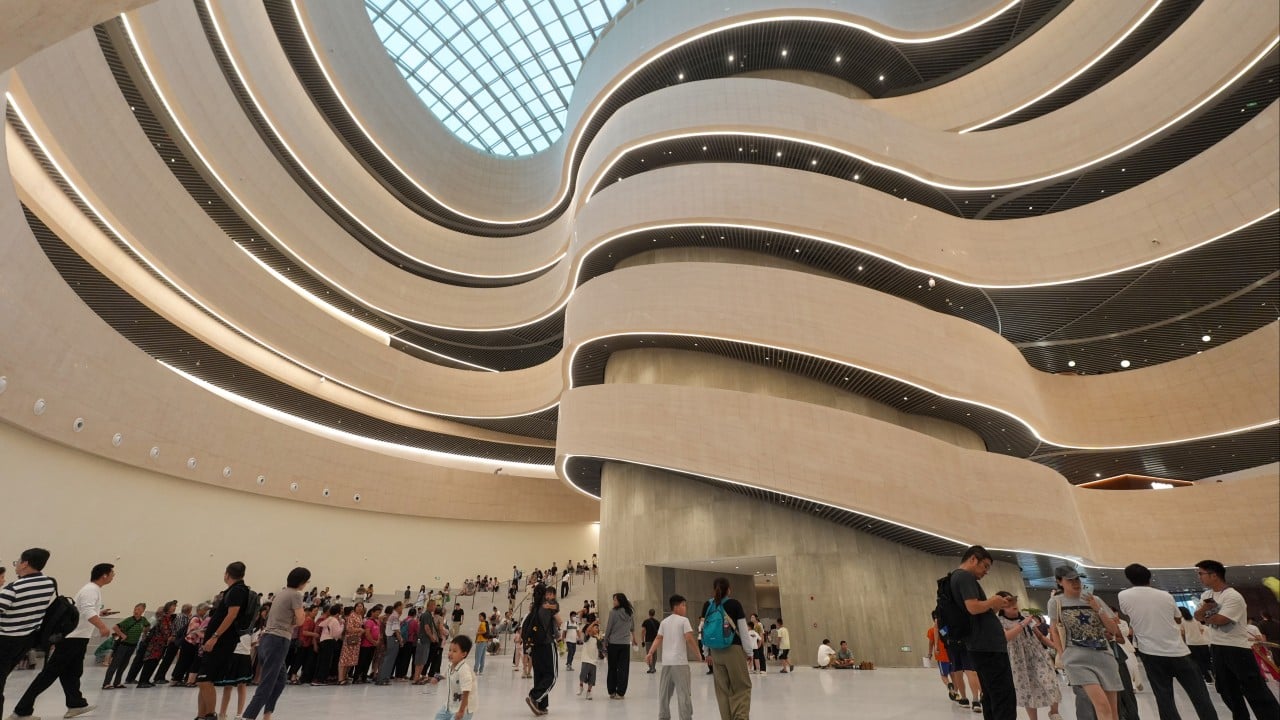
If you are new to this, don't try to see it all in one day. You will burn out. Start with the Shenzhen Museum of Contemporary Art and Urban Planning. The architecture alone is worth the trip. It looks like something from a different decade. Inside, the exhibits usually focus on the rapid evolution of the city itself. You get a sense of how this place went from a fishing village to a megalopolis in just a few decades. It makes the rest of the city make sense.
If you are into natural history, the Shenzhen Museum main hall is the move. They have been aggressively expanding their collections of rare artifacts and natural specimens. It is where you find those meteorites that have people buzzing. It is not just about rocks. It is about the story of the earth. They do a great job of using digital displays to explain the science without boring you to death with academic jargon.
Common Mistakes to Avoid
The biggest mistake is thinking you can do "museums and shopping" in the same block. Shenzhen is huge. The geography is misleading. A map might show two spots as being relatively close, but the actual travel time across districts can be significant. Pick one museum and explore the neighborhood around it. Stay in that zone. You will find better food, more interesting shops, and you won't spend half your day in the back of a Didi.
Another trap is language anxiety. Yes, signs are increasingly in English, but you should download a real-time translation app just in case. It makes reading detailed descriptions of exhibits much more rewarding. Don't rely on staff to explain the history. They are helpful, but the depth you get from your own translation tools is much better.
Making the Shift
The next time you are considering a weekend trip, skip the usual mall crawl. You have a chance to see world-class art and historical collections that are genuinely impressive. Check the current schedule of the Nanshan Museum, book your slot, and take the early train. It’s a better use of your time than sitting in a crowded restaurant waiting for a table. Go see what the city is actually building. It is a different side of Shenzhen, and it is far more interesting than the stereotype suggests. You’ll be surprised at how much you end up preferring it to the old routine.