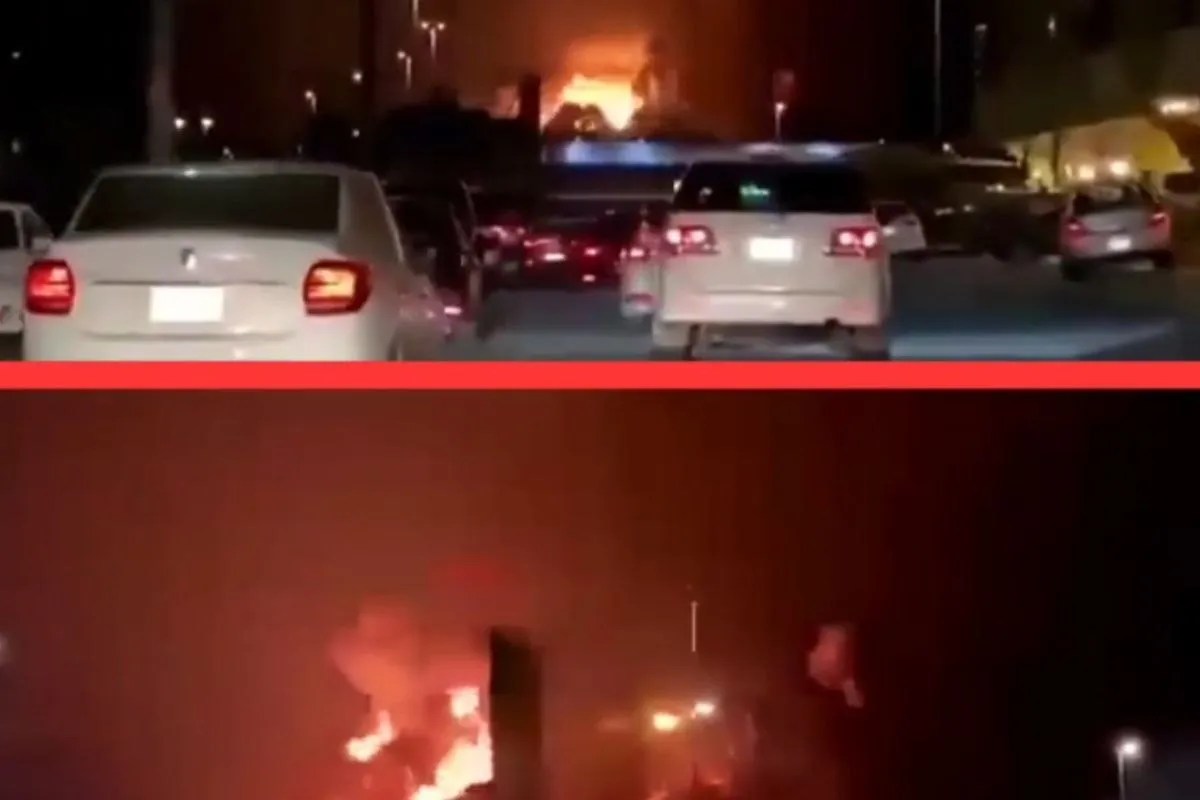
Dust settles over the borderlands of Iraq, but the air still burns.
Far from the air-conditioned conference rooms where diplomats sip cold water and speak in measured tones, the reality of the Middle East is measured in heat, noise, and sudden, shattering fear. Consider a hypothetical merchant in a bustling Baghdad market—let us call him Tariq. Tariq does not care about geopolitical acronyms or the grand chess matches played out by distant capitals. He cares about the price of flour, the stability of his shop's corrugated iron roof, and whether his children can walk to school without the distant, concussive thud of an explosion rattling the glass in his windows.
Right now, Tariq is terrified. And for good reason.
A new front has cracked open. The delicate architecture of regional stability, already fractured by years of proxy conflicts and simmering hatreds, is buckling under fresh weight.
The Spark in the Dark
The latest escalation did not happen in a vacuum. For decades, the invisible lines of influence between Tehran and Washington have crossed directly through the sovereign soil of Iraq. Shia militia groups, deeply embedded within the Iraqi security apparatus yet ideologically aligned with Iran, operate as both shield and sword. When tensions spike between the United States and Iran, the shockwaves invariably hit these armed factions first.
Recently, the pressure cooker blew. Saudi Arabia, acutely aware of the existential threat posed by hostile militant networks right on its doorstep, has found itself dragged deeper into the kinetic churn. Strikes targeting Shia militias inside Iraqi territory have sent a clear, brutal signal. The rules of engagement have shifted.
What does this mean for the person on the ground? Everything.
It means that the shadow war is stepping out of the shadows. It means that regional powers are no longer content to fight through whispers and proxies; they are drawing lines in blood across Iraqi sand.
The Anatomy of a Proxy
To understand why this matters, we have to strip away the complex jargon. Think of it like a neighborhood dispute where two powerful, angry neighbors refuse to speak to each other directly. Instead, they recruit neighborhood kids to throw rocks at each other's windows. The kids take the hits. The houses get wrecked. The two main actors stay safely inside, pouring themselves another cup of tea.
For years, Iran has built and sustained a vast network of allied militias across Iraq, Syria, Lebanon, and Yemen. This network—often referred to by security analysts as the Axis of Resistance—acts as a strategic buffer. It projects power far beyond Iranian borders.
When American assets or regional allies like Saudi Arabia face attacks from these militias, retaliation is inevitable. But where do you strike a ghost? You strike the infrastructure that supports it. You strike the supply lines. You strike the bases. And every time a bomb falls on Iraqi soil, sovereignty bleeds a little more.
The Iraqi government is caught in an impossible squeeze. Baghdad wants to be a sovereign nation capable of protecting its own people. Instead, it has become the primary battleground for a conflict belonging to everyone else.
The Cost of Silence
We often look at international news as a spectator sport. We scroll past headlines about drone strikes and retaliatory raids while waiting for our morning coffee to brew. We view the Middle East through a lens of perpetual, inevitable chaos—as if violence is simply the weather there, rather than the result of human choices, ambitions, and fears.
That is a dangerous luxury.
When a new front opens, the economic ripples reach global markets within hours. Oil prices twitch. Shipping lanes tighten. Supply chains shudder. But more importantly, human lives are uprooted on a mass scale. Families pack what they can carry, locking their doors against an uncertain tomorrow.
Tariq looks at his shuttered storefront and wonders if he should pack too. He has lived through wars before. He knows the rhythm of escalation. First come the warnings, then the targeted strikes, then the regional conflagration that no one intended to start, yet everyone rushed to feed.
The Point of No Return
History is littered with crises that started as minor skirmishes and ended as global nightmares. The machinery of war has a momentum of its own. Once unleashed, it demands fuel, and it feeds on escalation.
Saudi Arabia's direct and indirect maneuvers against militant infrastructure in Iraq mark a profound evolution. Riyadh is no longer willing to wait for others to secure its borders. Washington, locked in a tense strategic standoff with Tehran, finds its military personnel and diplomatic outposts cast as perpetual targets. Iran, facing domestic economic pressures and international isolation, doubles down on its regional deterrence strategy.
Everyone is moving forward, eyes locked on each other, accelerating toward a cliff.
There is no neat resolution to this story yet. There are no five-step peace plans that can magically erase decades of accumulated blood, mistrust, and ideological fury. There is only the immediate, grinding reality of a region holding its breath, waiting to see which side blinks first, and which spark will finally catch the dry grass on fire.
The smoke rises over the Tigris, thick and black, carrying the ash of yesterday's broken promises into tomorrow's uncertain wind.


