Power operates in the light, but it breathes in the dark. Every leader knows the weight of a flight plan filed under seal. When the engines spool up on an unmarked tarmac, the horizon shifts.
Consider the mechanics of high-stakes mobility. A fuselage touches down on foreign soil under the cover of diplomatic discretion. To the public, it is merely an aluminum tube carrying executives or envoys. To the statecraft architect, it is a calculated risk wrapped in radio silence. Meanwhile, you can read related developments here: The Fault Lines We Ignore When Indonesian Earthquakes Strike.
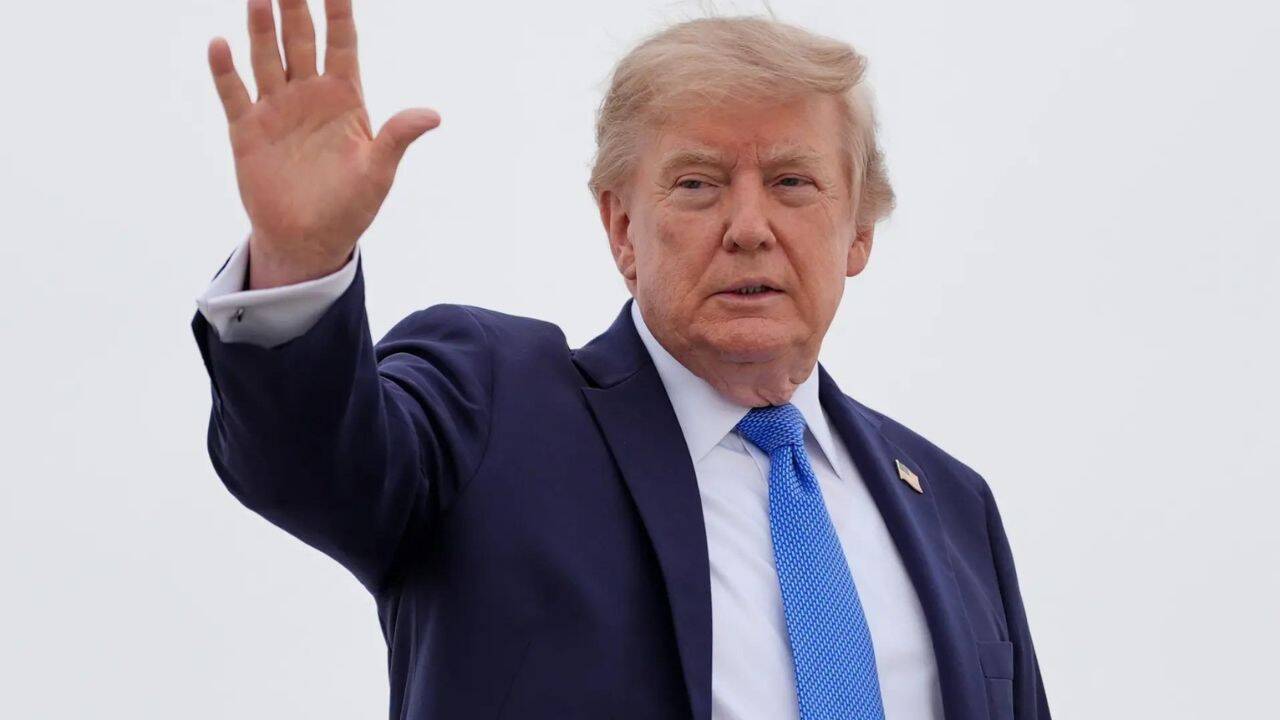
Recently, the skies above the Middle East carried an invisible friction. An American leader executed a covert journey to Turkey, seeking to manage the fragile architecture of regional stability. But skies have eyes. Radars blink. Transponders whisper secrets to anyone listening closely enough.
In Tehran, the response was swift and sharp. An Iranian lawmaker looked up at the geopolitical chessboard and made a public move. The message was simple: focus on internal stability before orchestrating secret aerial maneuvers abroad. To understand the bigger picture, check out the detailed report by NBC News.
Security is a jealous mistress. It demands absolute devotion at home while craving influence abroad. When a nation projects power across oceans, it leaves its own foundations exposed to the elements. Every dollar spent on overseas calculus is a dollar not spent securing domestic infrastructure.
Let us trace the geometry of this friction.
First, there is the theater of distraction. Leaders use international drama to redirect the collective gaze. If the domestic audience is staring at a map of a foreign country, they are not staring at the crumbling roads outside their window. They are not auditing the ledger of local accountability.
Second, there is the inevitability of exposure. In our current era of open-source intelligence, nothing stays hidden for long. Flight trackers light up smartphone screens. Local spotters note the tail numbers. A secret flight is rarely a secret for more than a few hours. The illusion of stealth dissolves into the harsh light of public scrutiny.
When the Iranian official issued that stinging remark, he was not just tossing a stone across political waters. He was highlighting a universal truth of modern governance. Those who live in glass geopolitical houses should hesitate before throwing diplomatic stones.
The art of the political jab relies on precise timing. It punctures the solemnity of foreign policy with a blunt instrument of domestic reality. Why worry about distant capitals when the streets at home are fractious? Why plot secret voyages when the home front requires steady hands?
Yet, leaders rarely listen to the warning sirens of their critics. The gravitational pull of global power is too strong. The desire to sit at the table—even if that table must be reached through the back door—overrides the quiet wisdom of staying home and locking the doors.
We watch these maneuvers from the sidelines, passengers on a vessel steered by captains who refuse to check the compass. We wonder if anyone is actually watching the helm.
The engines stop. The stairs roll up to the door. Another leader steps out into the flashbulbs, pretending the journey was effortless. But the air remains charged with the static of unspoken tensions.
Somewhere across the border, a desk rattles from the impact of a sharp retort. The game continues. The night absorbs the noise, leaving only the quiet hum of distant turbines and the lingering echo of a warning that will likely go unheeded.


