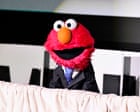
New York sports fandom does not tolerate corporate neutrality, a reality the handlers behind Sesame Street’s Elmo learned when a harmless social media post sparked a massive public relations backlash. When the official Elmo account asked a simple question about whether to support the New York Knicks or the Brooklyn Nets, it intended to spark playful regional engagement. Instead, it triggered a wave of genuine fury from a fan base that views sports through the lens of tribal warfare rather than sanitized entertainment. The incident exposed a growing divide between modern corporate branding strategies and the visceral reality of local sports culture.
The Myth of the Neutral New Yorker
The controversy began with a seemingly innocent post from the Muppet’s official account during a high-stakes NBA playoff push. The prompt asked followers to choose between Manhattan’s beloved Knicks and Brooklyn’s modern iteration of the Nets.
For the average corporate social media manager, this looks like a standard engagement play. It uses a beloved intellectual property to tap into a local rivalry, driving comments, shares, and algorithmic visibility.
For a New York sports fan, however, treating the Knicks and the Nets as equals is a fundamental insult.
The Knicks possess a multi-generational, deeply emotional stranglehold on the city’s sports identity. Madison Square Garden is treated as a cathedral. The team's decades of struggle, punctuated by brief eras of intense hope, have forged a fan base that demands absolute loyalty. The Nets, conversely, are still widely viewed as a transplanted franchise from New Jersey, an organization that attempted to buy a culture through short-lived superstar trios rather than earning it through grit.
By refusing to take a side, Elmo did not appear fair. The character appeared cowardly. Fans immediately flooded the replies, telling the Muppet to pick a side or stay out of the conversation entirely.
The Mechanics of Fan Tribalism
To understand why a fictional red puppet generated such genuine hostility, you have to look at the psychological mechanics of modern sports allegiances. Fandom is not a consumer choice. It is an identity marker.
When a brand attempts to enter that space, it must play by the rules of the subculture. The primary rule of New York sports culture is authenticity.
When corporate entities try to access the emotional benefits of sports without accepting the risks of taking a side, the audience feels manipulated. They recognize that the brand wants their attention and their money, but does not actually care about the outcome of the game.
[Corporate Strategy] -> Seeks broad appeal through neutrality -> Alienates die-hard fans
[Sports Culture]     -> Demands tribal loyalty and sacrifice  -> Rejects sanitized marketing
This creates an immediate rejection mechanism. The response to the Sesame Street post was not a failure of reading comprehension by the public. It was a deliberate, aggressive boundary enforcement by a community that refuses to let its passions be diluted into corporate synergy.
The Dangerous Playbook of Safe Engagement
For years, digital marketing agencies have pushed the idea of the friction-free brand. The goal was to create content that everyone could like and no one could hate.
This approach works well when you are selling laundry detergent or fast food. It fails completely when applied to sports, politics, or deep-seated cultural institutions.
Sesame Street operates under a mandate of universal kindness and inclusivity. This is a noble and necessary mission for children's television. But when that ethos is exported to the cutthroat environment of professional sports fandom, it mutates into something that looks like corporate hollowed-out opportunism.
Fans see through the strategy instantly. They know that a puppet does not watch basketball. They know that a team of digital strategists in a midtown office building drafted the post to hit a quarterly KPI for digital impressions. The anger directed at Elmo was actually directed at the cynical commodification of their genuine emotional highs and lows.
Why the Nets and Knicks Are Not Created Equal
The core flaw in the marketing strategy was the assumption of symmetry. A balanced question requires two balanced options.
In New York basketball, symmetry does not exist.
- The New York Knicks: Established in 1946. They hold deep roots in the city's working-class history. Generations of families have bonded over the team's successes and failures at Madison Square Garden.
- The Brooklyn Nets: Moved to the borough in 2012. Despite a beautiful arena and sleek branding, the franchise has struggled to capture the soul of the city, often relying on transient star players who lacked a permanent connection to the community.
When a brand treats these two entities as equal options, it erases the decades of suffering and loyalty that Knicks fans pride themselves on surviving. It suggests that a decade-old corporate transplant carries the same cultural weight as a foundational piece of New York history.
The Cost of Playing Both Sides
This backlash serves as a warning for brands attempting to navigate the volatile waters of regional sports. The desire to remain neutral to avoid alienating potential customers frequently ends up alienating everyone.
Had the account declared a fierce, playful loyalty to the Knicks, it would have alienated a small contingent of Nets fans, but it would have won massive, enduring praise from the much larger Knicks community. The brand would have felt human, alive, and dialed into the actual spirit of the city.
By choosing the safe path, the handlers achieved the exact opposite of their goal. They turned a moment of potential community connection into a sterile corporate misfire that left fans united only in their annoyance.
The lesson is stark. If you are going to step into the arena of New York sports, you must be prepared to take a hit. You cannot sit in the luxury suite and pretend you are down in the bleachers with the people who actually bleed for the team.