Euljiro doesn’t smell like a tourist trap. It smells like machine oil, burnt solder, and the spicy steam from a hidden noodle shop tucked behind a welding bay. If you walk through these narrow alleys in central Seoul today, you're walking through a living museum that’s currently being dismantled by wrecking balls. The fight over urban renewal in this iconic South Korean district isn't just about old buildings versus new glass towers. It’s a war over what a city is actually for.
Most people see the shiny skyscrapers of Gangnam and think that's the real Seoul. They're wrong. Euljiro is the city's industrial heart, a place where you can get anything made, from a single brass screw to a complex lighting fixture, provided you know which "master" to ask. But the Seoul Metropolitan Government and massive developers have a different vision. They want "efficiency." They want high-rise luxury apartments and "smart" office blocks. They're trading the city’s grit and history for a sanitized version of progress that nobody asked for.
The Manufacturing Ecosystem That Cannot Be Replaced
You can't just move a neighborhood like Euljiro. City planners often treat small businesses like chess pieces. They think if they build a "specialized complex" in the suburbs, the craftsmen will just pack up their lathes and move. It doesn't work that way. Euljiro’s power comes from its density.
A designer walks into a metal shop with a sketch. The shop owner realizes they need a specific type of plating. They walk ten steps to the left to talk to the plating expert. That expert needs a specialized chemical from the shop around the corner. Within three hours, the prototype is done. This is a hyper-local supply chain that took seventy years to build. When you tear down one block of "shabby" workshops to build a 20-story residential tower, you don't just lose some old buildings. You snap the threads of a functional economy.
Local artisans, often called "masters" by the younger generation, are terrified. They've spent their lives in these 10-square-meter spaces. They pay low rent, which allows them to keep their prices competitive. Move them to a shiny new building with triple the rent and the ecosystem dies instantly. We've seen this happen in Cheonggyecheon and we're seeing it again here. It’s a repetitive cycle of self-sabotage.
The Hipjiro Paradox
There's a strange irony in the middle of this destruction. Over the last few years, Euljiro became "Hipjiro." Young Koreans, tired of the sterile perfection of malls, flocked to the area for its "newtro" (new-retro) vibe. They drink craft beer on plastic chairs in alleys and hunt for hidden wine bars located on the fourth floor of tool shops.
This popularity should have been a lifeline. Instead, it became a double-edged sword.
- Property values spiked as investors realized the land was worth more than the businesses on it.
- Instagram tourism brought foot traffic but didn't necessarily support the machine shops.
- Gentrification accelerated, making it easier for the government to argue that the area was "transitional."
The very aesthetic that made the district famous is being used to justify its replacement. Developers use photos of "authentic Euljiro" in their marketing materials for the luxury condos that will eventually replace those same alleys. It’s cynical. It’s also incredibly effective at swaying public opinion. People want the "vibe" but they also want the convenience of a modern elevator. You can't have both when the plan involves total demolition.
Why Safety Is a Convenient Excuse
The most common argument for urban renewal is safety. Officials point to the narrow alleys and say fire trucks can't get through. They point to the aging electrical grids and talk about fire hazards. They're not lying, but they're using a real problem to justify an extreme solution.
You don't need to level a neighborhood to make it safe. Look at European cities that have preserved medieval centers. They upgrade infrastructure. They install localized fire suppression systems. They reinforce structures. Seoul chooses demolition because it’s the most profitable path for the "chaebols" (conglomerates) and construction firms that drive the local economy. Total clearance allows for a blank slate where profits can be maximized per square meter.
If safety were the primary goal, we'd see more investment in small-scale renovations. Instead, we see eviction notices. I've talked to shop owners who have been in the same spot since the 1970s. They want better wiring. They want cleaner restrooms. They don't want to be "relocated" to a basement in a generic mall three miles away.
The Human Cost of The Sewoon District Plan
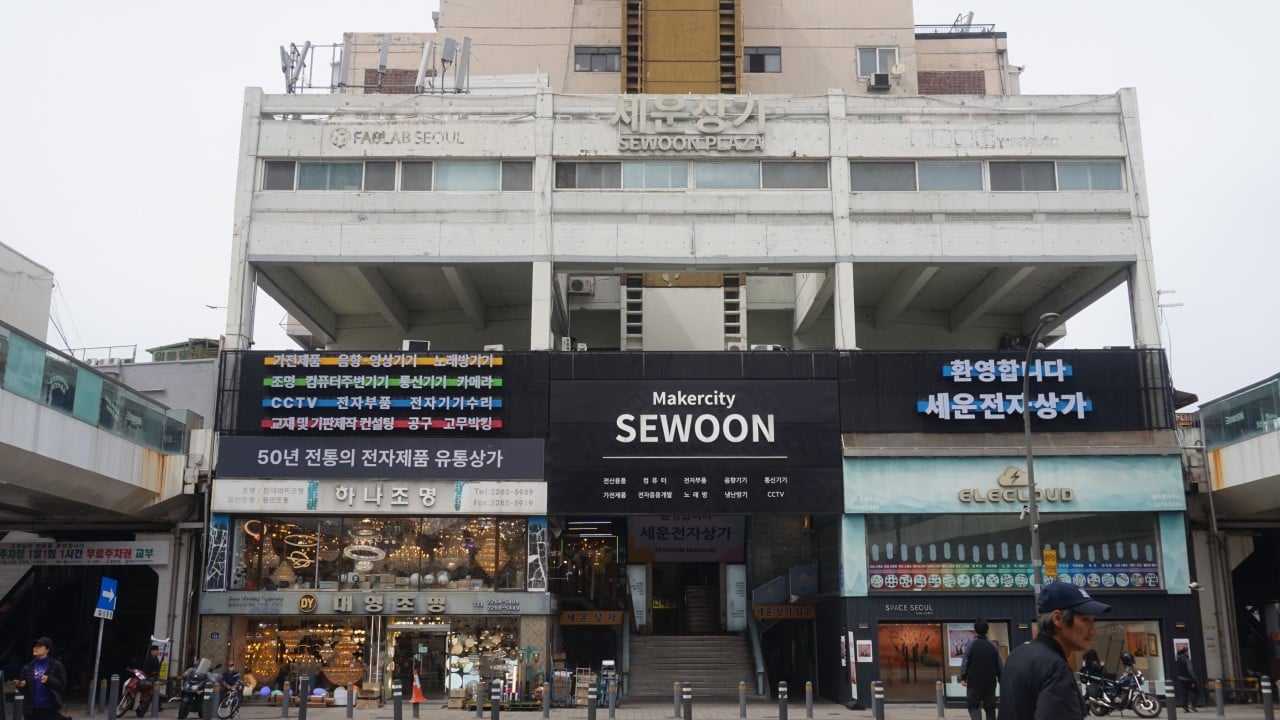
The Sewoon Sangga area is the epicenter of this fight. It was Korea's first mixed-use commercial and residential complex, built in the late 60s. Today, it’s surrounded by zones marked for "redevelopment." Thousands of small businesses are at risk.
Think about the specialized knowledge held by these workers. Many are in their 60s and 70s. They are the last generation of people who know how to repair certain types of machinery or work with specific materials without computer-aided design. When these shops close, that knowledge disappears. It’s not being passed down because there’s no physical space left for an apprentice to start a business.
We're losing the "maker" culture that built modern Korea. The country grew into a global powerhouse because people in places like Euljiro could build anything from scratch. By turning the district into a residential zone, Seoul is essentially saying that it no longer values the hands-on labor that made it wealthy. It’s a shift toward a purely service-oriented city, and it’s a dangerous gamble for the city’s economic diversity.
What's Actually Lost When The Alleys Go Dark
The loss isn't just economic. It's psychological. Cities need layers. They need places that feel a bit messy and unplanned. Euljiro represents the "rough" layer of Seoul that balances out the hyper-modernity of places like Lotte World Tower.
When you walk through the Seun District, you see:
- Architecture of necessity: Buildings that have been modified, patched, and expanded over decades.
- Social networks: The way shop owners share tools and lunch.
- Historical continuity: Physical reminders of the post-war industrial boom.
Every time a section of Euljiro is fenced off for demolition, a piece of the city's collective memory is erased. We're left with a city that looks like every other global city. If you can't tell if you're in Seoul, Singapore, or London, the city has failed its residents.
The False Promise of Public Parks
To soften the blow, developers often promise "green space" or "public plazas" as part of the renewal. These are usually wind-swept concrete squares with a few lonely trees. They don't replace the social function of a bustling alleyway.
A park in a luxury residential zone serves the residents of that zone. A workshop in Euljiro serves the entire country. The trade-off is lopsided. We are trading national industrial utility for private residential comfort. The "public" isn't actually getting more space; they're getting a sanitized walkway between private towers.
How to Experience Euljiro Before It's Gone
If you're in Seoul, don't just visit the trendy cafes. Actually look at the shops.
- Visit the tool alleys near Cheonggyecheon stream during the day. Watch the deliveries happen on specialized motorbikes that can navigate 4-foot-wide paths.
- Eat at the nogari (dried fish) stalls in the evening. It’s one of the few places where high-earning office workers sit next to blue-collar mechanics.
- Walk the Sewoon Sangga pedestrian deck. It gives you an elevated view of the rooftops that are slated for destruction. You can see the scale of what's about to be lost.
Support the businesses that are still there. Buy something. Eat at the family-run restaurants that have been serving the same soup for forty years. The most effective way to protest urban renewal is to prove that the current neighborhood is economically viable and culturally essential.
The fight for Euljiro is far from over. Activists and shop owners are still protesting, filing lawsuits, and trying to slow the pace of demolition. But the momentum of "modernization" is a heavy force to stop. If the current trajectory continues, the Euljiro we know will be a memory by the end of the decade. Go see it now. Experience the grease, the noise, and the chaos. Because once it’s replaced by a "smart city" block, you’ll never get the soul of Seoul back.
The next time you hear a politician talk about "urban revitalization," ask who is actually being revitalized. If the answer doesn't include the people who have been there for fifty years, it's not revitalization. It's an eviction.