The grand architecture of security alliances rarely survives the collision of raw economic survival and distant imperial ambitions. When South Korean President Lee Jae-myung drew a hard line against dispatching troops into the escalating military theater involving the United States and Iran, he did not merely reject a foreign policy request. He exposed the structural fault lines running underneath the decades-long security umbrella that binds Seoul to Washington.
For months, pressure from Washington mounted behind closed doors and in public forums. The White House sought allied participation to secure vital maritime lanes and exert coercive leverage over Tehran. To American strategists, burden-sharing is an article of faith. To Seoul, however, sending combat forces into the Persian Gulf or adjacent chokepoints represents a dangerous entanglement with zero upside for domestic stability or peninsular defense.
The primary driver behind President Lee’s refusal is an unyielding economic reality. South Korea is an export-driven powerhouse devoid of significant domestic energy resources. It relies heavily on Middle Eastern crude piped through narrow maritime corridors like the Strait of Hormuz. Sowing outright hostility with Tehran by joining a kinetic military campaign would instantly imperil critical energy imports and expose Korean commercial shipping to asymmetric retaliation.
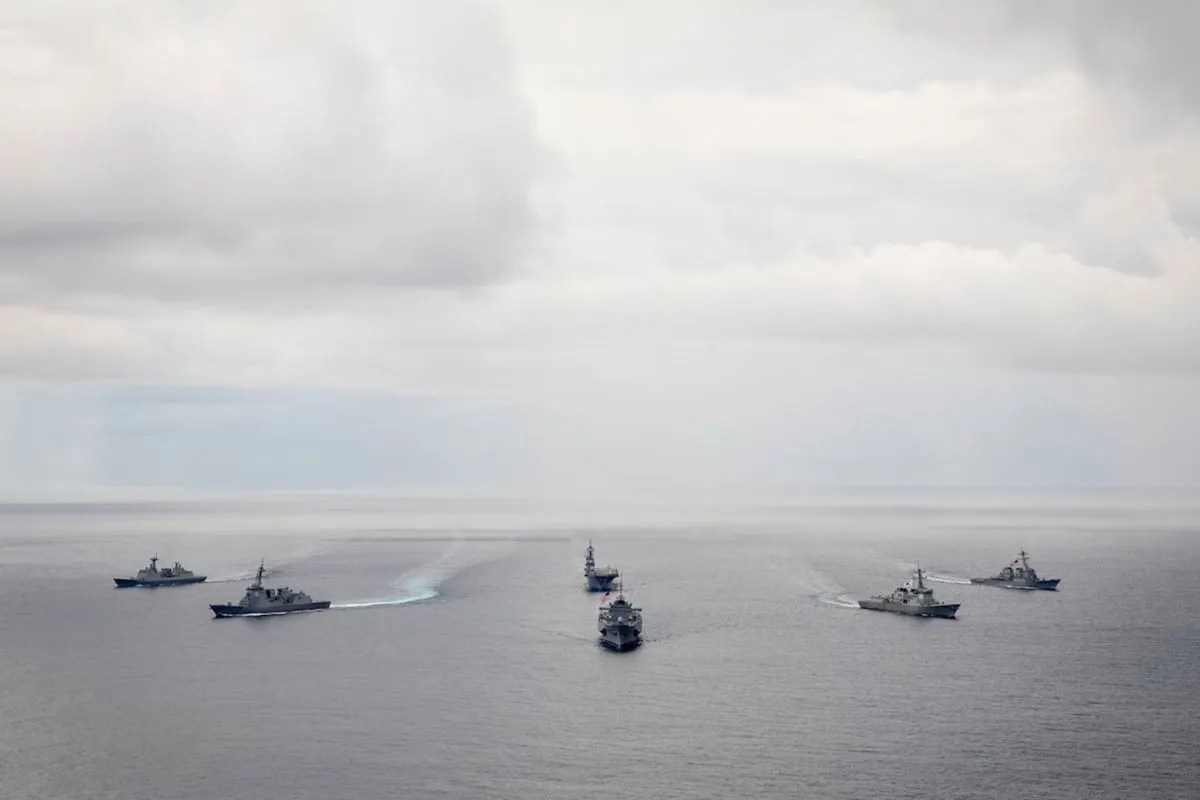
Yet foreign policy in Seoul cannot simply ignore the alliance with Washington. The compromise engineered by the Blue House reveals the delicate tightrope walk required of middle powers caught between superpowers. While Seoul steadfastly refused to integrate its military into any offensive posture or direct war-fighting coalition against Iran, it simultaneously navigated allied demands through tactical adjustments. The administration approved the expansion of the operational boundary of its existing anti-piracy naval deployment—known as the Cheonghae Unit—allowing assets to operate closer to the waters south of Oman.
This maneuver is a masterclass in bureaucratic deflection. By framing the deployment extension strictly around counter-piracy, maritime safety, and the protection of national commercial vessels, the South Korean government attempted to thread an impossible needle. It offers a token gesture of maritime security collaboration to appease American planners while insulating domestic politics from the catastrophic fallout of an active foreign war.
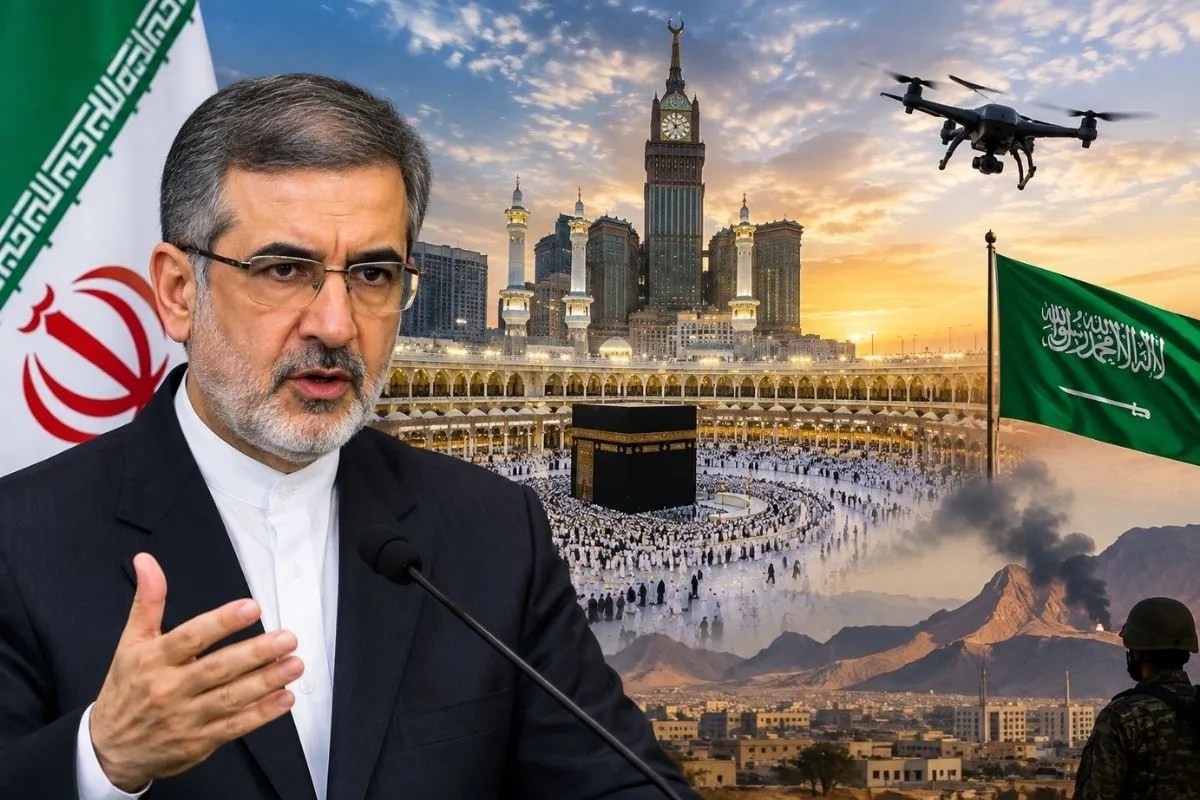
Tehran, naturally, saw right through the diplomatic semantics. Iranian officials issued pointed warnings against any Korean naval creep toward the strategic strait, invoking historical memory and local idioms to signal displeasure. The message from the Iranian foreign ministry was blunt: participating under the guise of freedom of navigation still constitutes alignment with hostile actions.
This friction underscores a broader historical transformation in Asia-Pacific diplomacy. Middle powers are increasingly unwilling to serve as unquestioned auxiliary forces for Washington's prolonged Middle Eastern crusades. The geopolitical center of gravity has shifted irrevocably toward regional stability and domestic economic protection. For South Korea, the northern border with a nuclear-armed adversary remains the existential horizon. Squandering finite military resources and diplomatic capital on a volatile secondary front thousands of miles away is viewed in Seoul as strategic malpractice.
The diplomatic fallout will linger long after the immediate crisis cools. Washington is learning that absolute alignment cannot be mandated by treaty alone when economic dependencies point in entirely different directions. President Lee’s calculated resistance establishes a notable precedent for how allied states may manage future divergence from American grand strategy.
The security architecture of the twenty-first century will not be built on monolithic blocs. It will be defined by transactional pragmatism, where nations contribute precisely enough to keep their primary alliances functional while fiercely guarding their own immediate borders from collateral damage. Seoul has chosen its lane. It will safeguard its tankers and protect its trade lanes on its own terms, but it will not bleed in a desert conflict far from home.