The morning air in Flores smelled of woodsmoke, wet earth, and the faint, briny promise of the incoming tide. It was the kind of ordinary morning that lulls entire communities into a collective, breathing rhythm. Fishermen were mending nets along the shore, their calloused fingers moving through nylon with practiced grace. Children chased stray dogs down narrow dirt paths, their laughter echoing against corrugated tin roofs. Nobody looked at the horizon. Why would they? The sea had fed these villages for generations. The sea was life.
Until the earth tore open.
It did not arrive with a sound. It arrived as a violent, stomach-churning heave that knocked standing men off their feet. The ground turned to liquid underfoot. In a fraction of a second, the familiar world buckled, warping into a terrifying theater of dust and snapping timber.
This was not a gentle tremor. A magnitude 7.7 earthquake does not merely shake; it dominates. It rewrites the rules of physics in real time.
Consider what happens next: The silence that follows the violent shaking. That is the most dangerous sound in nature.
When the earth stops shuddering, the ocean retreats. It is a terrifying magic trick. Water vanishes from the shorelines, sucking backward as if pulled down an invisible drain, exposing jagged reefs and stranded marine life that have never seen the light of day. For anyone who has studied the brutal mechanics of tectonic displacement, that receding water is an explicit execution order. It is the signature of a tsunami forming in the deep dark, gathering its mass, preparing to erase everything it touches.
Moments later, the warning sirens screamed.
Indonesia sits in a violent geographic crucible. The Pacific Ring of Fire is not a poetic metaphor; it is an active, grinding engine of tectonic plates colliding, locking, and violently releasing immense stores of energy. When a 7.7 quake strikes at a shallow depth beneath the Flores Sea, the seabed acts as a piston. It shoves millions of tons of water upward, sending ripples outward at the speed of a jet airliner.
Panic is a strange contagion. It moves faster than any wave.
In the coastal villages of East Nusa Tenggara, mothers grabbed infants before they could grab shoes. Elderly residents, whose bones remembered the devastation of past disasters, were hoisted onto the backs of their grandchildren. The instinct to run upward, to chase the high ground, overrode every other thought.
Upward. Toward the hills. Away from the water.
Every second counted. The authorities issued the tsunami warning with desperate urgency, knowing that minutes—sometimes seconds—separate survival from complete annihilation. But systems and sensors can only do so much when nature unleashes its rawest fury. Satellites can measure magnitude. Seismographs can pinpoint epicenters. Yet none of that technology can hold a roof over a terrified family's head when the concrete crumbles.
Standing on the ridge, looking down at the turquoise expanse that had suddenly turned predatory, the air felt thin.
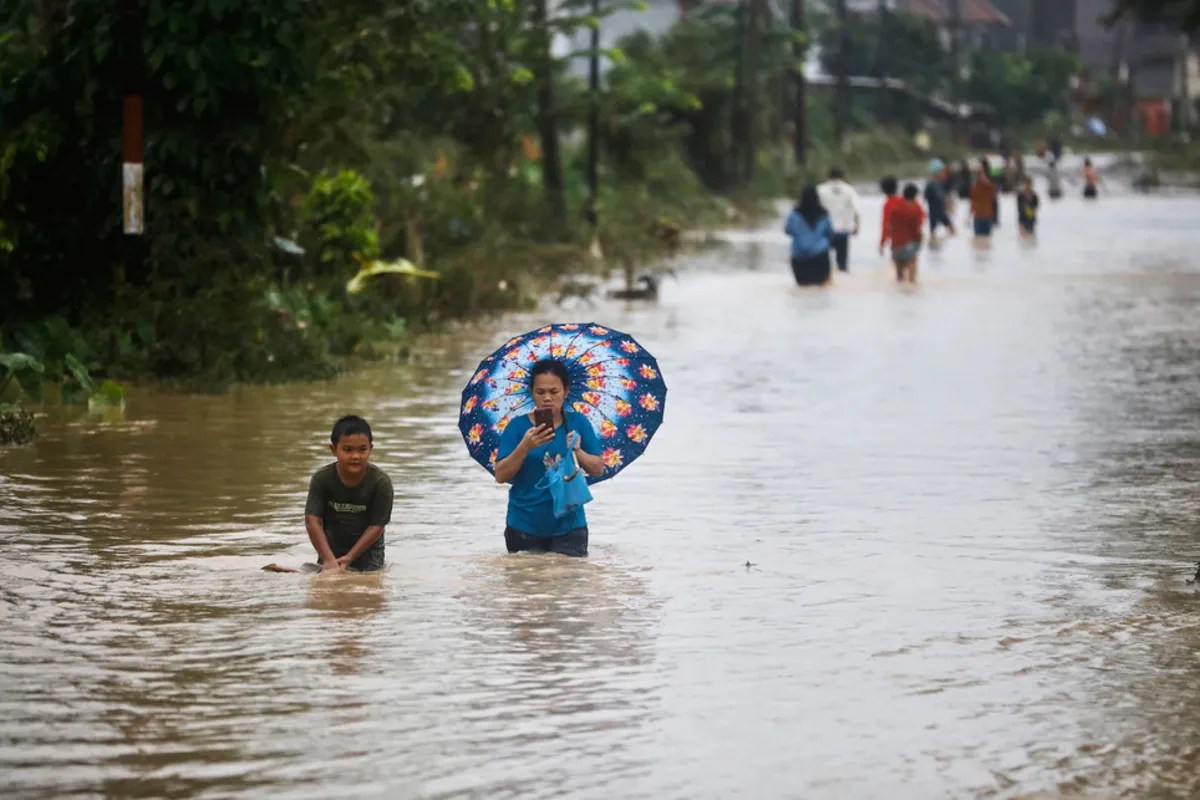
The waves came. They were not walls of water straight out of a cinematic special effect, at least not initially. They arrived as a relentless, surging tide of black foam that swallowed piers, tossed fishing boats like dry leaves, and surged inland with a terrifying, heavy momentum. It swept through streets, chewing up concrete foundations, turning quiet neighborhoods into churning soup.
Power lines snapped, sparking blue death in the rising water. The smell of salt mixed with ruptured fuel tanks.
And then, the agonizing wait.
Disasters are rarely finished with a single blow. Aftershocks rattled the nerves of survivors huddled on the slopes, each subsequent jolt bringing fresh screams from children clinging to their parents. No one dared to go back down. The night promised no comfort, only the chill of wet clothes, the ache of adrenaline crashes, and the haunting uncertainty of what remained of their homes.
We talk about earthquakes and tsunamis in dry statistics. We quote magnitudes, focal depths, and wave heights as if numbers can encapsulate human terror. We categorize events into manageable news briefs.
Numbers do not bleed. Numbers do not lose their grandmother's silver ring or the school notebooks filled with childish handwriting.
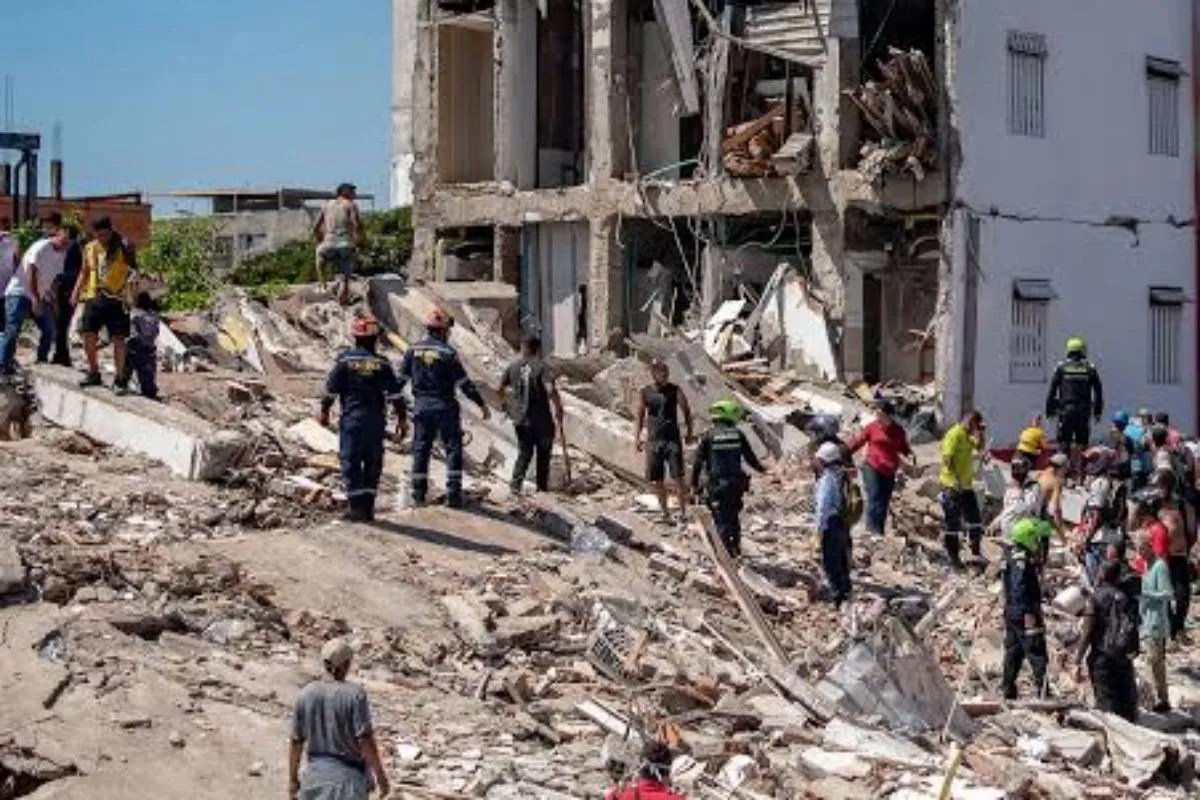
The human cost of the Flores earthquake is measured in empty chairs at dinner tables, in the sudden, shattering silence of orphaned children, and in the quiet resilience of communities that must somehow figure out how to bury their dead and rebuild on the very fault lines that betrayed them.
The earth will shift again. The plates will lock. The pressure will build in the silent dark beneath the ocean floor. It is the inescapable reality of living on a restless planet.
As the first faint light of dawn eventually bled over the ruined coastline, illuminating twisted corrugated iron and debris-choked alleys, the survivors stood shoulder to shoulder on the high ground. They looked out at the water, quiet now, indifferent to the lives it had just upended. They did not cry out anymore. They simply turned toward each other, rolled up their sleeves, and began the long walk back down the hill.