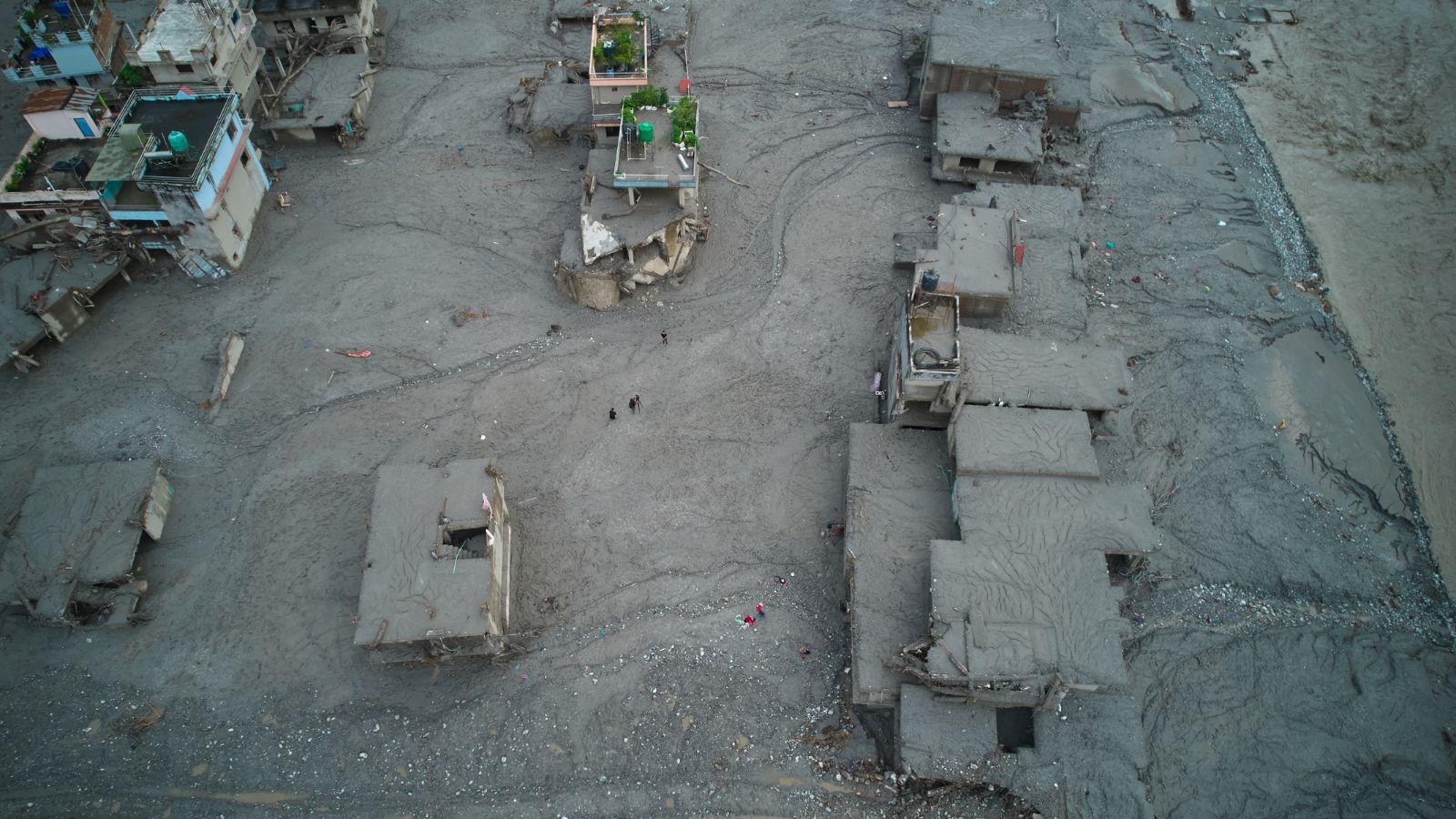
Natural disasters rarely end when the rain stops. In the aftermath of the devastating August 26 Bhotekoshi flood in Nepal, families aren't just cleaning up mud. They are combing through debris fields and riverbanks for a single sign of life or closure. When the water tore through Syaphrubesi in Rasuwa district, it took homes, businesses, and entire families.
For Amrit Diyali, the search became a grim routine after his younger brother Raj Kumar, sister-in-law Shriti, and four-year-old nephew Siraj vanished. They searched riversides as far downstream as Chitwan and Nawalpur. Five days later, a WhatsApp message arrived from Amrit's nephew Avinash. Attached was a photograph of a human hand washed ashore in Nawalpur. It looked identical to his uncle's. For a different perspective, read: this related article.
The grim reality of modern disaster recovery involves forensic science when nature leaves behind fragmented evidence. Police have collected thousands of DNA samples from both recovered bodies and desperate relatives to match identities. Amrit sent a sample from the discovered hand to the National Forensic Science Laboratory in Kathmandu. It joined a massive backlog, sitting 182nd in line.
The Human Cost of Forensic Backlogs
Waiting for answers tests human endurance past its absolute limit. Amrit's statement captures the quiet resignation felt by many survivors. "We have stopped hoping for anything else," he said. "Even if that hand turns out to be my brother's, at least we would know for sure." Further insight on the subject has been shared by BBC News.
That desperate need for certainty drives families through unimaginable sights. The scale of the Bhotekoshi catastrophe overwhelmed local identification protocols. Many bodies recovered from riverbeds and mudslides are heavily disfigured or decomposed. Authorities have buried over a thousand bodies after taking DNA samples and identification markers, leaving rows of tagged graves in case relatives eventually arrive.
Disaster response infrastructure always strains under mass casualty events. Recognizing the physical toll on grieving relatives who had to travel all the way to Kathmandu, the Nepal Police opened local collection centers like the one in Bidur, Nuwakot. These hubs allow close family members—parents, children, and siblings—to submit biological samples locally.
Navigating False Hope and Overlapping Claims
Identification errors compound the psychological trauma. In Pokhara, a single recovered body was simultaneously claimed by two separate families who both swore the facial features and physical traits matched their missing relatives. Confronted with overlapping grief and competing claims, police had to halt the handover and rely entirely on DNA profiling.
This scenario highlights why rapid visual identification fails during major floods. Bodies swept down turbulent rivers undergo rapid changes. Families clutching at straws will naturally see familiar features in strangers. Without strict forensic verification, communities risk burying the wrong loved ones.
To manage unclaimed remains, authorities follow formal protocols such as the Unidentified and Unclaimed Dead Body Management Directive. This framework mandates photographing remains, recording fingerprints, preserving DNA, and logging geolocation data before burial. The designated burial plots must remain undisturbed for twelve years, giving families a window to seek exhumation if new evidence comes to light.
Meanwhile, daily life for survivors continues in the shadow of loss. Relatives still stare down empty roads out of sheer habit, waiting for family members who are never coming back. For the Diyali family and thousands like them across Nepal, closure depends entirely on a laboratory queue and a matching genetic sequence.