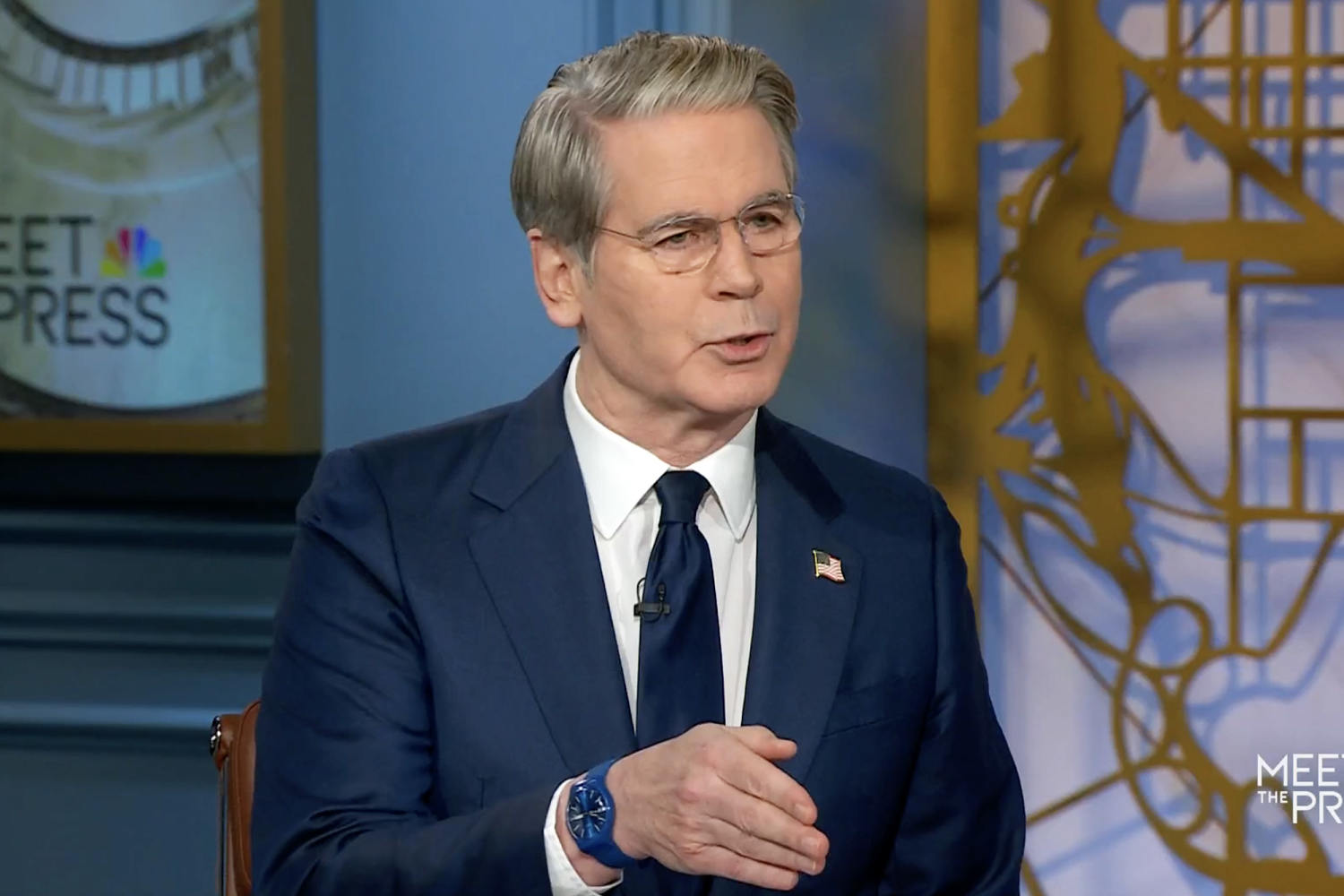
When a senior cabinet official dances around a simple yes-or-no question three times on national television, people notice. In an October 18, 2026 appearance on NBC's Meet the Press, Treasury Secretary Scott Bessent wouldn't flat-out call Ukraine a U.S. ally. Not once. Instead, he pointed to what Washington still provides—intelligence sharing, satellite communications, and allowing NATO members to purchase American weapons for Kyiv—and said that's the kind of support you give an ally, while insisting he isn't the secretary of state and that the administration isn't pro-Russia.
Let's be honest about what's happening here. Words in Washington carry weight, especially when relations between President Donald Trump and Ukrainian President Volodymyr Zelenskyy are already strained. Calling a country an "ally" implies a clearer political commitment than offering transactional aid or pushing for a negotiated settlement. Refusing to utter the word doesn't automatically erase practical assistance, yet it signals real friction over where the war is headed and how much political capital the White House wants to spend backing Kyiv's goals. In other updates, read about: Why Zelenskyy Warns Washington Against Backing Putin.
Why Scott Bessent Sidestepped the Ally Question
Bessent's dodge wasn't accidental, and it wasn't just a grammar exercise. In diplomatic terms, "ally" often suggests shared long-term objectives and mutual backing. Right now, the Trump administration and Kyiv aren't reading from the same script on how the war ends. Bessent argued that Zelenskyy had set up a "false dichotomy" by framing the choice as either a Ukrainian victory or the end of the war, contending instead that the fighting has to end through a negotiated settlement that Trump is actively pursuing.
There's also a bureaucratic turf angle that gets overlooked when headlines focus on the soundbite. Bessent is the Treasury Secretary, not Secretary of State Marco Rubio. Deflecting formal alliance labels to the president or the top diplomat is a classic cabinet move when an interviewer tries to pin down foreign policy doctrine. Still, when you lead with what we're doing rather than who we stand with, viewers hear hesitation. Reuters has also covered this fascinating subject in extensive detail.
Critics see a shift away from traditional U.S. backing for Ukraine. Supporters of the administration's approach see hard-nosed realism—pushing for a settlement, shifting costs toward NATO buyers, and keeping Washington's hands free as global crises stack up. Both readings can coexist because the administration's posture mixes continued operational support with sharp public pushback against Kyiv.
What Practical Support Still Looks Like on the Ground
If you only read the headline, you might assume the U.S. cut Ukraine off completely. That's not what Bessent described, nor what reporting around the interview showed. According to coverage of the October 18 interview, Washington's backing has centered on three pillars: sharing intelligence, providing satellite connectivity, and permitting NATO allies to buy U.S. weapons and send them to Ukraine.
That model looks very different from open-ended, direct U.S. grant packages. Channeling weapons through NATO purchases changes the financial and political optics in Washington while keeping American defense industry supply chains and intelligence links in the picture.
At the same time, satellite access has become a flashpoint. Zelenskyy raised alarms over restrictions affecting Starlink and Starshield operations for Ukrainian forces, warning that outages or limits could hurt defense missions and cost lives. Bessent called Zelenskyy's public remarks on Starlink and Starshield "very reckless" and denied that restricting Starshield access was the administration's intention, while Rubio stated the administration had nothing to do with restricting Starlink's operation in Ukraine. When allies—or partners, whatever label you prefer—trade public accusations over battlefield communications, trust takes a real hit.
Negotiated Settlement vs. Battlefield Victory
The deeper clash behind Bessent's remarks isn't really semantic. It's strategic.
For years, debates over U.S. policy toward Russia's nearly five-year war in Ukraine have hinged on what "winning" looks like and how much leverage Kyiv has at the negotiating table. Trump has repeatedly emphasized ending the war through negotiations, and Bessent echoed that line directly on Meet the Press. Later in November, as Trump prepared for an Asia trip involving meetings with Chinese President Xi Jinping and Russian President Vladimir Putin, Ukraine remained front and center in his remarks about upcoming diplomatic talks.
From Kyiv's perspective, pressing for a negotiated settlement without firm security guarantees or full backing for Ukraine's objectives feels like asking Ukraine to compromise under pressure. From the White House's perspective, prolonging a grinding war carries steep economic, diplomatic, and strategic costs across multiple fronts—including energy and global tensions.
- Diplomatic signaling matters: Publicly avoiding the word "ally" lowers expectations of unconditional U.S. backing, even if intelligence and weapons-transfer channels stay open.
- Burden-sharing is front and center: Allowing NATO countries to buy U.S. arms for Ukraine keeps equipment flowing without requiring every transfer to be sold domestically as a fresh U.S. handout.
- Information and tech friction is real: Disputes over Starlink and Starshield show how quickly technical hiccups can turn into public diplomatic rows.
Common Misconceptions About U.S. Policy Toward Ukraine
People tend to view U.S. foreign policy in binary terms—either all-in or all-out. In practice, policy moves in messy increments, often driven by domestic politics, budget battles, and wider geopolitical bargaining.
One common mistake is treating a cabinet official's refusal to use a specific word as an immediate, total policy reversal. Bessent explicitly denied that the U.S. had sided with Russia and pointed to ongoing intelligence and communications support. Another mistake is assuming everything runs smoothly behind closed doors when public friction flares over Starshield access or sanctions policy. Public spats between Washington and Kyiv aren't just theater; they shape how European capitals plan their own defense and aid commitments.
Finally, don't treat Treasury commentary as the final word on formal alliances. The Treasury Department deals heavily with sanctions, economic frameworks, and financial pressure, whereas formal diplomacy and treaty commitments sit primarily with the president and the State Department—even when a Treasury official steps into a broad Sunday-show grilling.
Practical Ways to Track What Happens Next
If you're following U.S.-Ukraine policy for work, investing, or civic awareness, don't rely on single cable-news clips or social media hot takes. Watch concrete actions instead.
- Check official briefings and primary transcripts: Read full remarks or reliable wire reports from outlets like the Associated Press or Reuters rather than relying on one-line summaries of an interview.
- Track weapons and tech logistics, not just rhetoric: Pay attention to NATO arms-purchase arrangements, sanctions waivers, and satellite/communications updates, which show actual operational posture.
- Watch European responses: European allies adjust quickly when Washington signals a push toward negotiations or shifts aid mechanisms, so their policy moves often reveal how serious the shift is.
- Separate short-term bargaining from long-term posture: Diplomatic push-and-pull around major summits and negotiations often brings tough public rhetoric designed to create leverage before talks even begin.
Is Ukraine a U.S. ally? The U.S. Treasury Secretary refused to give a straight answer three times
This video clip highlights the exact exchange where the Treasury Secretary avoided giving a direct answer on Ukraine's ally status and sparked broader reaction.