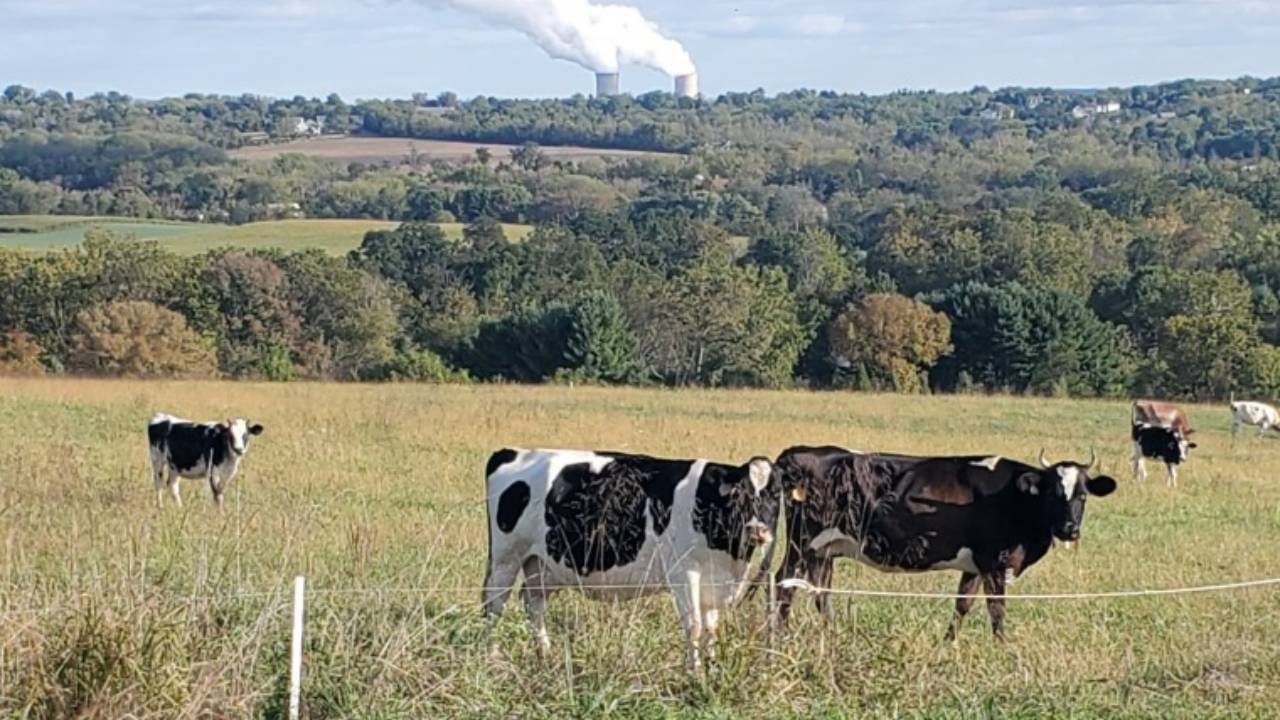
Every time a well-heeled couple drops six figures to lock up 78 acres of pristine Pennsylvania timber, local newspapers throw a parade. The headlines write themselves: eighty-eight single-family homes and twenty-one condos vanquished, suburban sprawl halted, nature saved. The champagne corks pop in the country club while working families locked out of the region look for a tent to pitch.
Conservation easements are treated as unmitigated moral goods. They are anything but.
When you permanently freeze 78 acres of private land under the guise of ecological salvation, you aren't protecting the earth. You are pulling up the drawbridge. You are restricting housing supply, driving up property values for the already-housed, and forcing the teachers, firefighters, and nurses who actually keep your community running to commute an extra hour each way from cheaper counties.
I have spent two decades advising municipal planners and real estate syndicates across the Mid-Atlantic. I have seen municipal boards weep tears of joy over a preserved meadow while approving multi-million-dollar tax abatements for luxury estates three miles down the road. The math behind the preservation cult does not add up, and the human cost is catastrophic.
The Housing Crisis Is a Land Supply Crisis
Economics 101 teaches us that when supply drops and demand stays flat, prices skyrocket. Yet whenever developers propose putting 109 housing units on a tract of underutilized land, environmental purists treat the bulldozers like an invading army.
Let us look at the actual mechanics of what happened in Pennsylvania. A couple bought 78.3 acres. They preserved it. That means roughly 110 families who needed a roof over their heads were pushed further out into the exurbs, forced to convert actual working farmland further west into asphalt sprawl, or trapped in bidding wars for existing inventory that pushed median home prices out of reach.
Urban economists like Edward Glaeser have pointed this out for years. If you restrict housing density in desirable, job-rich locations, people do not simply vanish. They move further away. They consume more gasoline. They spend fewer hours with their children because their daily transit time has doubled.
Preserving a forest in the middle of a housing shortage is not green. It is elitist NIMBYism wrapped in a green jersey.
The Carbon Fallacy of Low-Density Conservation
The core argument for rural land preservation relies on carbon sequestration and wildlife corridors. Trees absorb carbon. Concrete emits it. Case closed, or so the argument goes.
Except modern urban planning proves that high-density cluster housing leaves a vastly smaller carbon footprint per capita than large-lot rural or suburban sprawl.
Imagine a scenario where those 109 units—88 houses and 21 condos—were built using high-density cluster zoning on just 15 percent of that 78-acre tract, leaving the remaining 85 percent as a shared community trust. That is how smart growth works. You concentrate the human footprint. You build efficient multi-family units and zero-lot-line homes. You preserve the majority of the green space for public access rather than locking it behind private property deeds or treating it as an exclusive backyard backdrop for a wealthy landowner's estate view.
Instead, zero units were built. The land remains locked up for the private enjoyment of two people and the occasional white-tailed deer. The families who would have lived there are now burning fossil fuels idling on Route 30.
The Regressive Economics of Conservation Tax Breaks
Let us talk about who actually pays for these feel-good preservation deals.
When private landowners place their acreage into a conservation easement, they receive massive property tax reductions and federal income tax deductions. Who makes up the lost municipal revenue? The remaining property taxpayers in the township.
You are subsidizing a wealthy couple's private nature sanctuary through your municipal tax bill, while simultaneously watching your children get priced out of the local housing market. It is a brilliant financial maneuver for the landowner. It is a disaster for municipal tax bases and working-class affordability.
We have romanticized the idea of the gentleman farmer and the rural estate owner to our own economic detriment. We treat private property rights as absolute when they favor non-development, but scream bloody murder when a landowner wants to build something useful.
What Real Sustainability Looks Like
If we genuinely care about the planet and human wellbeing, we need to stop treating every acre of dirt as a sacred relic that must never feel the weight of a foundation.
True sustainability requires radical density in existing transit corridors and strict preservation of genuinely productive agricultural land—not random scrub brush and secondary-growth timber tracts sitting five miles from an employment center.
Stop cheering when housing gets blocked. Every time a development is stopped, a family is displaced, a price tag jumps, and another mile of highway gets choked with commuters who were priced out of living where they work.
The next time you read a heartwarming story about a massive land preservation victory, ask yourself who is paying the price for that view.
Usually, it is the person who will never be able to afford to live in the town where they were born.