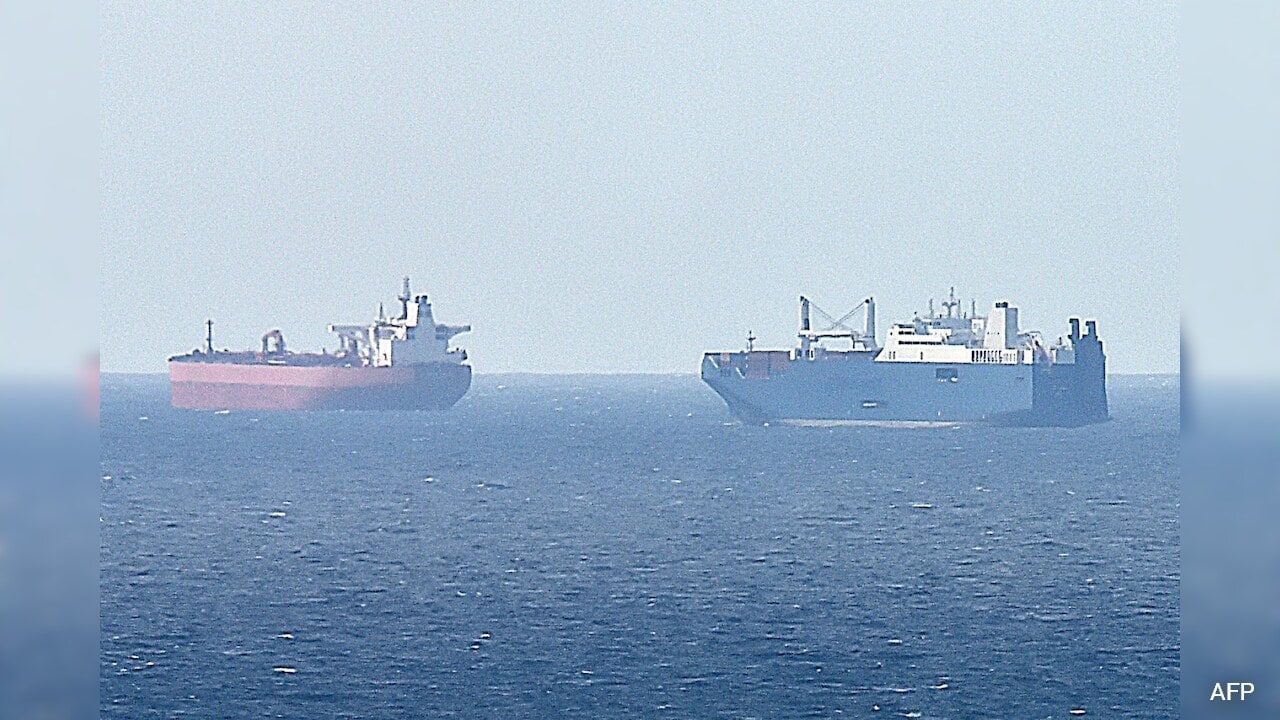
When two massive oil tankers carrying Saudi crude suddenly flipped 180 degrees in the Red Sea on July 21, 2026, it wasn't just a minor route adjustment. It was an unmistakable sign that the global energy landscape is facing its most complex crisis in years.
The Xin Long Yang, loaded with 2 million barrels destined for China, and the Rodos, carrying 700,000 barrels bound for India, turned north toward the Suez Canal instead of pushing south toward the Bab el-Mandeb Strait. Why? Yemen's Houthi militia declared an explicit naval blockade against Saudi ports, threatening to target any vessel loading or discharging cargo in the Kingdom.
If you're following energy markets or tracking trade routes, you know this alters the entire regional dynamic. For months, the Red Sea port of Yanbu served as Saudi Arabia's critical escape hatch—a land-based pipeline bypass while the Strait of Hormuz remained choked by the ongoing U.S.-Iran conflict.
Now, that escape hatch is compromised. Here is what's really happening on the water, why Asia is hit hardest, and what this means for global trade moving forward.
The Yanbu Bypass Myth Is Broken
To understand why these U-turns matter so much, you have to look at how Saudi Arabia manages its oil logistics.
When tension shuts or restricts the Strait of Hormuz on the eastern side of the Arabian Peninsula, Saudi Aramco relies on the East-West Crude Oil Pipeline. This massive pipeline pumps millions of barrels of crude across the desert from eastern oil fields directly to the Red Sea port of Yanbu. From Yanbu, ships sail south through the narrow Bab el-Mandeb Strait into the Indian Ocean to reach major refineries in India, China, and across Asia.
It was supposed to be a foolproof workaround. It worked right up until the Houthis issued a formal directive prohibiting shipping companies from touching Saudi ports.
Maritime risk management firm Vanguard quickly confirmed that these U-turns represent the first concrete evidence of commercial tankers altering routes due to the Houthi blockade. A third Very Large Crude Carrier (VLCC), the New Prime, didn't even enter the Red Sea—it turned around off the coast of Oman before getting close.
The bypass is no longer a safe zone.
Why India and Asian Refiners Suffer Most
Asia relies heavily on Middle Eastern crude, and India is right in the crosshairs.
When a tanker like the Rodos turns back toward Suez instead of sailing out through Bab el-Mandeb, it isn't taking a quick detour. It faces a logistical nightmare:
- The Suez Dilemma: Fully laden VLCCs cannot pass through the Suez Canal completely full due to draft restrictions. They must offload part of their oil into Egypt's SUMED pipeline, pump it across land, and reload it on the Mediterranean side.
- The Long Way Around: To deliver that crude to India or China from the Mediterranean, vessels must sail west through the Strait of Gibraltar, travel all the way down the west coast of Africa, round the Cape of Good Hope, and cross the Indian Ocean.
- Crushing Costs: That reroute adds weeks to transit times, burns massive amounts of fuel, spikes freight charges, and pushes war-risk insurance premiums through the roof.
As maritime security agency Ambrey noted, vessels calling at Saudi ports are now operating under high-risk advisories. Insurance underwriters didn't wait to act—war-risk premiums for ships accessing Red Sea terminals jumped almost immediately after the Houthi warnings went out.
What Supply Chain Analysis Misses
A lot of mainstream commentary treats this as a temporary shipping bottleneck. That's a mistake.
The real problem is structural risk stacking.
- Dual-Chokepoint Squeeze: Having either the Strait of Hormuz or the Bab el-Mandeb compromised is manageable on its own. Having both constrained at the same time strips global oil markets of their built-in redundancies.
- Neutrality Is Dissolving: In earlier Red Sea incidents, certain flags and buyers assumed they enjoyed informal safe passage. The Houthi declaration explicitly targets the origin and destination ports, meaning cargo origin now carries as much risk as ship ownership.
Oil prices responded immediately, with Brent crude climbing past $91 a barrel as markets began pricing in long-term routing inefficiencies.
Practical Next Steps for Energy Buyers and Logistics Operators
If you manage supply chains, procure energy, or track maritime freight, passive monitoring won't cut it anymore. Take these concrete actions immediately:
- Audit Port-of-Origin Exposure: Re-evaluate cargo contracts based on loading ports, not just flag states or carrier nationality.
- Factor SUMED and Cape Offloading into Timelines: Adjust refining schedules assuming a minimum 20 to 30-day delay for any Saudi crude re-routed via the Mediterranean or Around-Africa routes.
- Lock in Freight and Insurance Hedges: War-risk surcharges will remain volatile; secure long-term coverage or fixed-rate logistics contracts where possible before additional routes are impacted.
The era of assuming Red Sea pipelines offer guaranteed immunity from regional conflicts is officially over. Navigating this environment requires planning for longer voyages, higher risk premiums, and constant logistical agility.