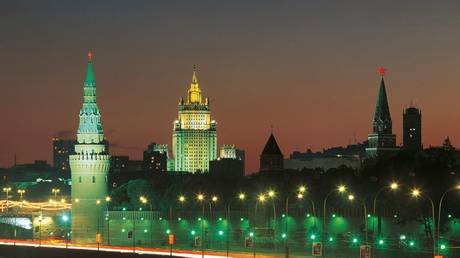
Washington just walked away from a deal that could've changed the nuclear math in the Middle East. At least, that's what the Kremlin wants you to believe. Moscow claims they offered to take Iran's highly enriched uranium off the table, moving it safely onto Russian soil where it couldn't be turned into a bomb. The White House said no. It sounds like a missed opportunity on the surface, but the reality behind these closed-door negotiations is way more complicated than a simple "yes" or "no" answer.
This isn't just about chemistry or centrifuges. It's about who holds the leverage. When Kremlin spokesperson Dmitry Peskov dropped this bombshell, he wasn't just sharing a fun fact. He was pointing a finger. The Russian narrative is clear: we provided a solution, and the Americans chose tension over safety. You have to ask why a superpower would reject an offer that seemingly lowers the risk of a nuclear-armed Iran.
Why the Russian Proposal Fell Flat in Washington
Diplomacy rarely happens in a vacuum. The proposal involved transferring Iran’s stockpiles of uranium—enriched up to 60%—to Russia. For context, 90% is weapons-grade. Iran is sitting dangerously close to that threshold. On paper, moving that material to Russia sounds like a win. It gets the "hot" stuff out of a volatile region. But the US isn't looking at this as an isolated transaction. They're looking at the source.
The Biden administration and its intelligence community don't trust Moscow to be an honest broker anymore. That's the cold truth. In years past, specifically during the 2015 JCPOA negotiations, Russia actually did play this role. They took out Iranian enriched uranium in exchange for natural uranium. It worked then. But the world changed after 2022. Now, Russia and Iran are closer than they've been in decades, sharing drone technology and ballistic missile secrets.
US officials worry that sending uranium to Russia doesn't actually remove the threat. It just moves the threat to a different locker. If Moscow and Tehran are "best friends" now, what's to stop Russia from giving it back if the geopolitical winds shift? Or worse, what if Russia uses that uranium as a bargaining chip against the West in the Ukraine conflict? Washington sees a trap where Moscow sees a "humanitarian gesture."
The Technical Reality of 60 Percent Enrichment
We need to talk about what 60% enrichment actually means. It’s a terrifying number. Most nuclear power plants run on uranium enriched to about 3% or 5%. When you hit 60%, you’ve already done about 90% of the work required to get to weapons-grade. It’s a steep curve.
If Iran keeps this material, they have a "breakout time" measured in weeks or days. That's the window of time they'd need to produce enough 90% material for a single nuclear device. By refusing the Russian offer, the US is essentially saying they’d rather keep the pressure on Iran directly than give Russia the keys to the warehouse. It’s a high-stakes gamble. The US prefers a direct deal—one where the uranium is down-blended or shipped to a neutral third party that isn't currently under massive international sanctions.
Moscow’s Motivation Is Not Pure Altruism
Russia loves to play the role of the indispensable mediator. It makes them look like the adult in the room while the US looks like the aggressor. By making this offer public, Peskov is playing to a global audience. He's telling the Global South and even some European allies that Russia is trying to prevent a war while the US is stuck in a "Cold War mindset."
Don't buy it completely. Russia wants something out of this. If they hold Iran’s uranium, they become the only door the West can walk through to solve the Iranian nuclear crisis. It grants them a level of diplomatic immunity. It’s hard to sanction a country into the ground when you need that same country to keep a nuclear lid on Tehran. This is about relevance. Putin wants to prove that no major global problem can be solved without his signature.
What This Means for Global Security Right Now
The rejection of this deal tells us that the old ways of doing business are dead. The "P5+1" group—the US, UK, France, China, Russia, and Germany—used to work together on Iran despite their other differences. That era is over. The fragmentation of the world into competing blocs means that even a "good" idea is viewed with suspicion if it comes from the "wrong" side.
Iran is watching this play out with a smirk. They get to keep their uranium, continue their enrichment programs, and watch the two biggest nuclear powers on earth bicker over who is more untrustworthy. It's a win for Tehran. They’ve successfully split the international coalition that once held them in check.
The Problem With the "Trust but Verify" Model
The US position is basically "Verify, then maybe Trust." They want a deal that doesn't rely on the "goodwill" of the Kremlin. What would a better deal look like?
- Shipping the material to a truly neutral country like Oman or Kazakhstan.
- Immediate down-blending of the 60% material back to 5% under strict IAEA supervision.
- A permanent halt to advanced centrifuge installation in Iranian facilities like Fordow.
None of these are currently on the table because the trust is at absolute zero. When trust hits zero, the technical solutions don't matter. You could have the most perfect scientific plan to neutralize the uranium, but if you don't trust the guy holding the beaker, you won't sign the paper.
The IAEA Is Stuck in the Middle
Rafael Grossi, the head of the International Atomic Energy Agency, has been sounding the alarm for months. His inspectors are getting less access, not more. They see the piles of enriched uranium growing. They see the cameras being turned off. When the US rejects a Russian offer to move the material, it makes Grossi’s job nearly impossible. He’s trying to keep a technical eye on the situation while the politicians are playing Risk with the world map.
The IAEA needs more than just access; they need a destination for this material. If the US won't let it go to Russia, and Iran won't let it go to Europe, it stays in Iran. That's the baseline. Every day that passes without a relocation deal is a day that Iran’s nuclear program becomes more "normalized."
What You Should Watch for Next
Don't expect a sudden breakthrough. The rhetoric coming out of the Kremlin is designed to frustrate the West and appeal to those who think the US is being unreasonable. But watch the enrichment levels. If Iran hits 80% or 85%, the "red line" moves from a diplomatic talking point to a military reality.
The US is likely betting that they can squeeze Iran through different channels—maybe through back-channel talks in Muscat or by pressuring China to stop buying Iranian oil. It's a slow-motion game of chicken.
If you're following this, stop looking for a "grand bargain." It isn't coming. Look for small, quiet movements of material. Look for whether the IAEA gets its cameras back online. And most importantly, watch how Russia and Iran’s military partnership evolves. If that bond gets tighter, the chances of the US ever agreeing to let Russia handle Iran’s uranium drop to zero.
The next time you see a headline about a "rejected peace deal," remember that in high-level geopolitics, a deal is never just a deal. It's a move on a much larger board. The US didn't just turn down a way to get rid of uranium; they turned down a future where Russia holds the leash on the Iranian nuclear program. For Washington, that's a future they aren't ready to accept.
Pay attention to the rhetoric from the next IAEA board of governors meeting. If the US pushes for a formal censure of Iran without a backup plan, the risk of escalation goes up. If you're invested in energy markets or international tech, these are the pivot points that dictate long-term stability. Stay skeptical of simple narratives. The truth is usually hidden in the enrichment percentages and the fine print of the sanctions list.