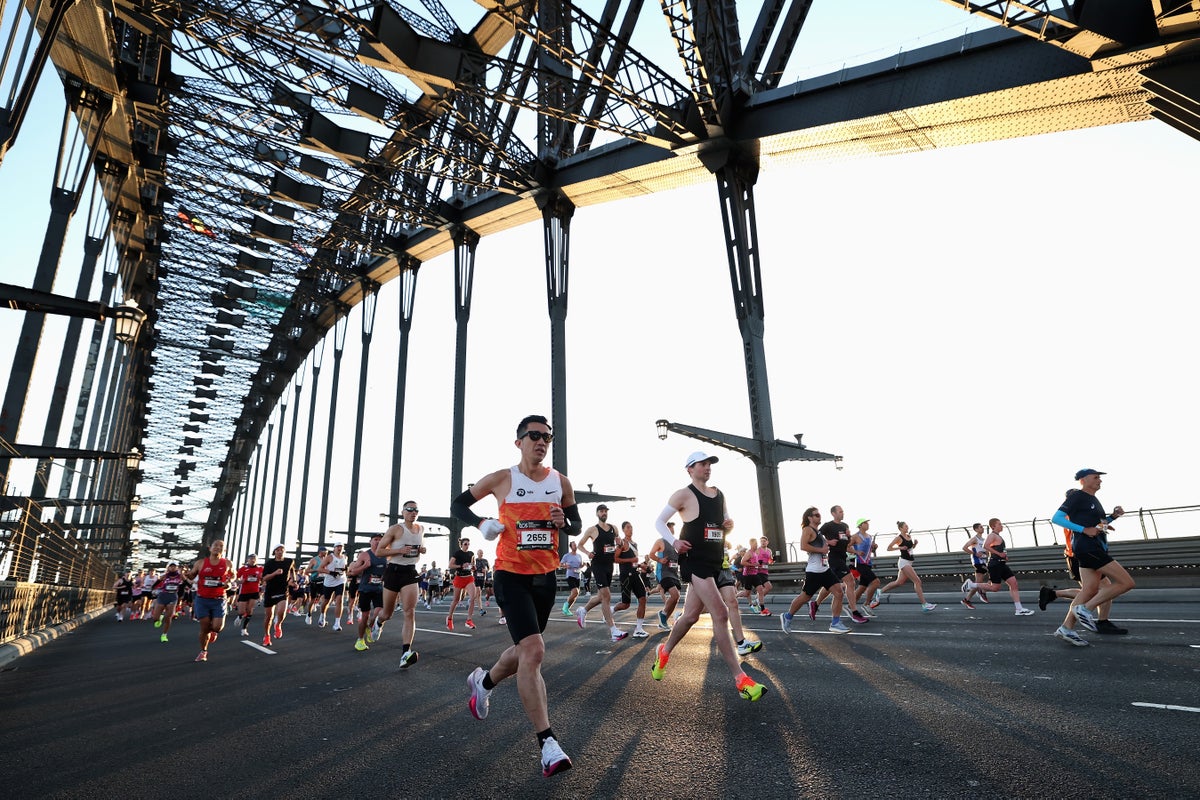
Running is usually about escape. You put on your shoes, hit the pavement, and let your mind drift. But when you're running 42 kilometers in Bethlehem, there's no escaping the reality on the ground. You're constantly reminded of exactly where you are and what you can't do. The Palestine Marathon isn't just a test of your lungs and legs. It's a loud, sweaty, and defiant statement about the basic human right to move.
The Palestine Marathon, officially known as the Right to Movement marathon, isn't your typical city race. You won't find a flat, scenic loop through a park here. Instead, thousands of runners from all over the world gather in front of the Church of the Nativity to run a course that hits a literal dead end. Because of the massive concrete separation wall and the various checkpoints that carve up the West Bank, organizers can't even find a continuous 42-kilometer stretch of road under Palestinian control. To finish a full marathon, runners have to complete the same 11-kilometer stretch four times.
It’s repetitive. It’s frustrating. That’s precisely the point.
The Brutal Reality of the Right to Movement
Most marathoners worry about hitting "the wall" at mile 20. In Bethlehem, you start the race next to a wall. This isn't some metaphorical barrier. It’s an eight-meter-high concrete monstrosity that snakes through the landscape, cutting off farmers from their land and families from each other.
According to the United Nations Office for the Coordination of Humanitarian Affairs (OCHA), there are hundreds of physical obstacles across the West Bank, including checkpoints, roadblocks, and trenches. For a Palestinian, getting from point A to point B isn't a matter of distance. It’s a matter of permission. The marathon turns this daily struggle into a high-visibility sporting event. When you see a Kenyan elite runner or a local teenager forced to turn around and run the same path because they aren't allowed to pass a certain gate, the political becomes personal.
I’ve seen plenty of races where the goal is a personal best time. Here, the goal is visibility. The Right to Movement organization, which started the race back in 2013, wanted to highlight that Article 13 of the Universal Declaration of Human Rights—the right to freedom of movement—is a luxury many don't have. They use sports to bridge the gap between abstract international law and the dust on your shoes.
Running Through Refugee Camps and History
The course takes you through some of the most politically charged geography on the planet. You aren't just passing Starbucks or high-rise apartments. You're running through the Aida and Azza refugee camps. These are crowded, narrow spaces where the history of the conflict is written on every spray-painted wall.
Running through a refugee camp is an intense experience. You’ll see kids hanging off balconies cheering, elderly men sitting on plastic chairs watching the spectacle, and the ever-present keys—symbols of the homes families left decades ago. The contrast is jarring. You have international tourists in high-tech spandex running past people living in permanent "temporary" housing.
It feels uncomfortable. It should.
But there’s also an incredible sense of community. Local families hand out water. Kids join in for a few hundred meters, running in sandals or school shoes. It’s a festival atmosphere that manages to exist despite the shadow of the towers nearby. You aren't just a spectator; you're part of a collective act of presence. Just being there, taking up space on the road, is an act of resistance.
Breaking Down Gender Barriers on the Track
One of the most impressive things about this race is the participation of women. In many traditional sectors of society, women running in public hasn't always been common. The Palestine Marathon has changed that narrative. Year after year, the number of female participants has climbed. In recent races, nearly 50% of the runners were women.
This isn't just about fitness. It's about claiming the public square. When a young woman from Ramallah or Gaza finishes those 42 kilometers, she’s smashing two sets of barriers: the physical ones imposed by the occupation and the social ones that might limit her potential. It's a double victory.
Why the Route Matters More Than the Time
If you’re looking for a Boston Qualifier, this probably isn't it. The hills are punishing. The turns are sharp. The heat can be brutal. But the "failure" to find a straight line is the most honest piece of storytelling a race can offer.
The route follows the wall for a significant portion. You see the graffiti. You see the watchtowers. You see the messages of hope and anger plastered on the concrete. Most marathons try to show you the "best" of a city. Bethlehem shows you the truth. It shows you the struggle to maintain a sense of normalcy in a place that is anything but normal.
Critics often say sports and politics shouldn't mix. That’s a nice sentiment for people who don't have a wall in their backyard. In Palestine, everything is political. Where you walk, where you build, and where you run are all dictated by political decisions. Ignoring that while running a marathon through Bethlehem would be a lie. The race embraces the politics because it has no other choice.
Logistics of a Divided Landscape
Organizing an event of this scale is a nightmare. Imagine trying to coordinate a race where the participants from Gaza often can't get permits to attend. Every year, elite athletes from the Gaza Strip are denied travel by the Israeli authorities. They train for months, only to be told they can't cross the Erez checkpoint.
The empty spots on the starting line speak as loudly as the thousands who are present. It highlights the fragmentation of Palestinian society. Even within the West Bank, runners from Nablus or Hebron have to account for potential delays at checkpoints just to get to the start line on time.
Despite this, the race continues to grow. It started with a few hundred runners and now sees thousands from over 70 countries. This international presence is vital. It’s hard to ignore the reality of the separation wall when you’ve spent four hours running alongside it.
The Economic Ripple Effect
Bethlehem isn't just a site of pilgrimage; it’s a city that needs tourism to survive. The marathon brings in a huge influx of people during a time that might otherwise be slow. Hotels fill up. Restaurants are packed. Souvenir shops in the Old City see a boost.
Beyond the direct cash flow, it builds a different kind of tourism. These aren't people just coming to see the Manger Square and leaving on a bus. These are people engaging with the local community, eating at local spots, and hearing stories from the people who live there. That kind of "solidarity tourism" creates lasting connections that go way beyond a one-day event.
What You Need to Know Before You Go
Don't just show up and expect a standard race experience. This is different. You need to be prepared for the emotional weight of the event.
- Training: Those hills are real. Bethlehem is built on limestone ridges. If you aren't training on inclines, your quads will hate you by lap two.
- Permits: If you’re an international runner, getting into the West Bank is usually straightforward via Jerusalem, but always check the current status of the checkpoints.
- Engagement: Talk to the local runners. Everyone has a story about why they are on the road. Listen to them.
- The Gear: Wear your colors. Most runners wear the official race shirt, which is a sea of green, white, black, and red.
The Palestine Marathon doesn't end with a medal and a banana. It ends with a deeper understanding of what it means to be restricted. You get to leave. You get to fly home and run in your local park without seeing a soldier or a concrete barrier. The people you ran with don't.
If you want to support the movement, don't just look at the photos. Register for the next race. Support the Right to Movement chapters in cities like Ramallah, Bethlehem, or even internationally. Spread the word that in some parts of the world, a simple run is a major political act. Show up, put your feet on the ground, and witness the reality for yourself. If you can’t make it to Bethlehem, find a local "Run for Palestine" event in your own country. Movement is a right, but it's also a responsibility. Don't take yours for granted.