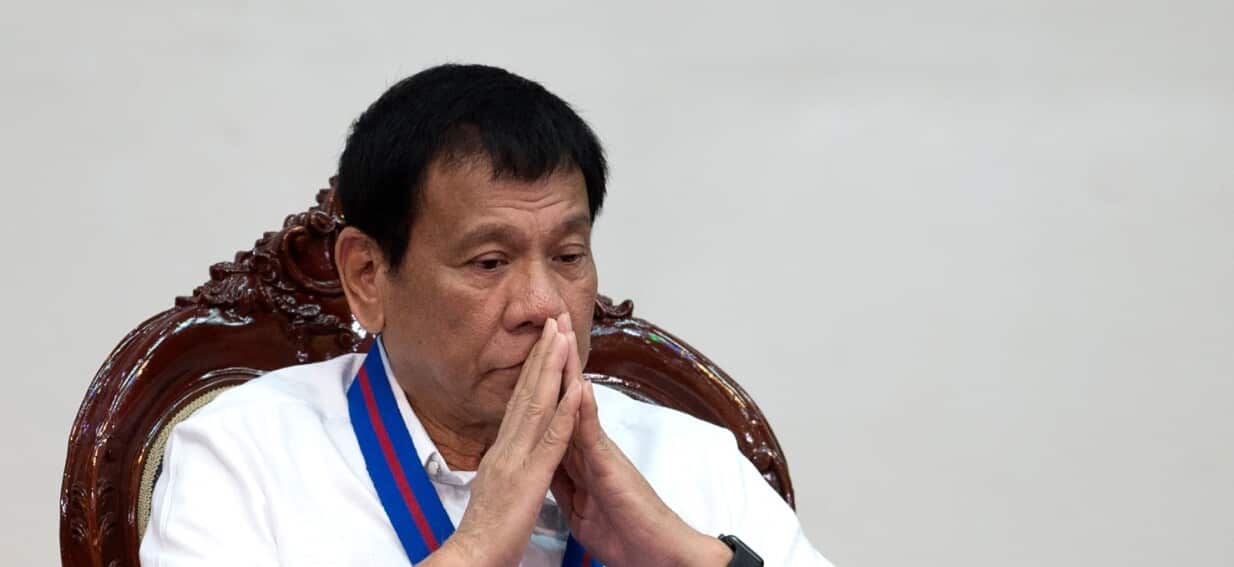
The wait is over for the families of those killed in the Philippines’ drug war. On April 23, 2026, the International Criminal Court (ICC) officially confirmed that former President Rodrigo Duterte will stand trial for crimes against humanity. It’s a massive moment. For years, Duterte acted like he was untouchable, scoffing at international law and insisting that only a Filipino court could judge him. That bluff just got called.
Judges in The Hague didn't just move the case forward; they did it with a unanimous "yes." They found substantial grounds to believe Duterte wasn't just a tough-talking leader but the architect of a "common plan" to kill civilians. We're talking about a systematic campaign that turned streets into graveyards under the guise of law enforcement. If you enjoyed this post, you might want to read: this related article.
The evidence that forced a trial
You can’t just haul a former head of state into court on a whim. The ICC prosecutors spent years building this. They didn't focus on the broad "drug war" politics but on 49 specific incidents involving 78 victims. These aren't just numbers. They're individual cases of murder and attempted murder that happened while Duterte was Mayor of Davao City and later as President.
The court’s decision highlights a "widespread and systematic attack" against the civilian population. Basically, they're saying the violence wasn't accidental or a case of "rogue cops." It was the policy. The evidence suggests Duterte helped create, fund, and arm death squads to take out anyone perceived as a drug user or seller. For another perspective on this event, check out the recent coverage from NPR.
Why the jurisdiction excuse failed
Duterte’s legal team tried every trick in the book to stop this. Their biggest play was arguing that the ICC lost its power over the Philippines because the country withdrew from the Rome Statute in 2019. They thought they could just walk away from the table and take their ball with them.
The Appeals Chamber shut that down on April 22, 2026. They ruled that since the crimes occurred while the Philippines was still a member—between November 1, 2011, and March 16, 2019—the ICC keeps its jurisdiction. You don't get a "get out of jail free" card just by quitting the club after the fact. It’s a huge win for international justice because it prevents other leaders from using withdrawal as a shield for atrocities.
From Manila to a cell in Scheveningen
Duterte isn't watching this from a beach in Davao. He’s been in custody at the ICC Detention Centre in Scheveningen since his arrest in Manila on March 11, 2025. Think about that for a second. An 81-year-old former strongman, once the most powerful man in his country, is now sitting in a Dutch cell waiting for a trial date.
His defense team even tried to argue he wasn't medically fit to stand trial. The court rejected that in early 2026, stating his health doesn't stop him from participating in the proceedings. He’s been trying to dodge this for nearly a decade. Now, he's out of options.
The reaction back home
The current administration under Ferdinand Marcos Jr. is playing it safe. They’ve said they "respect the ruling," which is a polite way of saying they aren't going to stick their necks out to save Duterte. It’s a shift from the earlier days of the Marcos presidency when things felt more protective.
For the families, like the "Rise Up for Life and for Rights" group, this is everything. They’ve been holding watch parties in Quezon City, crying and hugging as the news broke. For them, it’s not about politics. It’s about the fact that their sons, fathers, and brothers were gunned down without a trial, and now the man who told the police to do it has to face a trial of his own.
What happens next in The Hague
Don't expect a verdict tomorrow. The ICC moves at a glacial pace, and this trial will be a long, grueling process. Now that the charges are confirmed, the case moves to a Trial Chamber. They’ll set a date, call witnesses, and sift through mountains of forensic evidence and testimonies.
Duterte continues to deny everything. He still says he only told police to kill in self-defense. But "self-defense" is hard to argue when the body count hits the thousands and the victims are often found with their hands tied or tape around their heads. If you're following this, keep an eye on the witness list. The real drama will be seeing who from Duterte’s inner circle decides to talk now that the "Davao Harry" is behind bars.
The international community is watching this closely. With the ICC under pressure from various global powers, this trial is a test of whether the court can actually hold "big fish" accountable. For now, the message is clear: nobody is above the law, no matter how many votes they won.