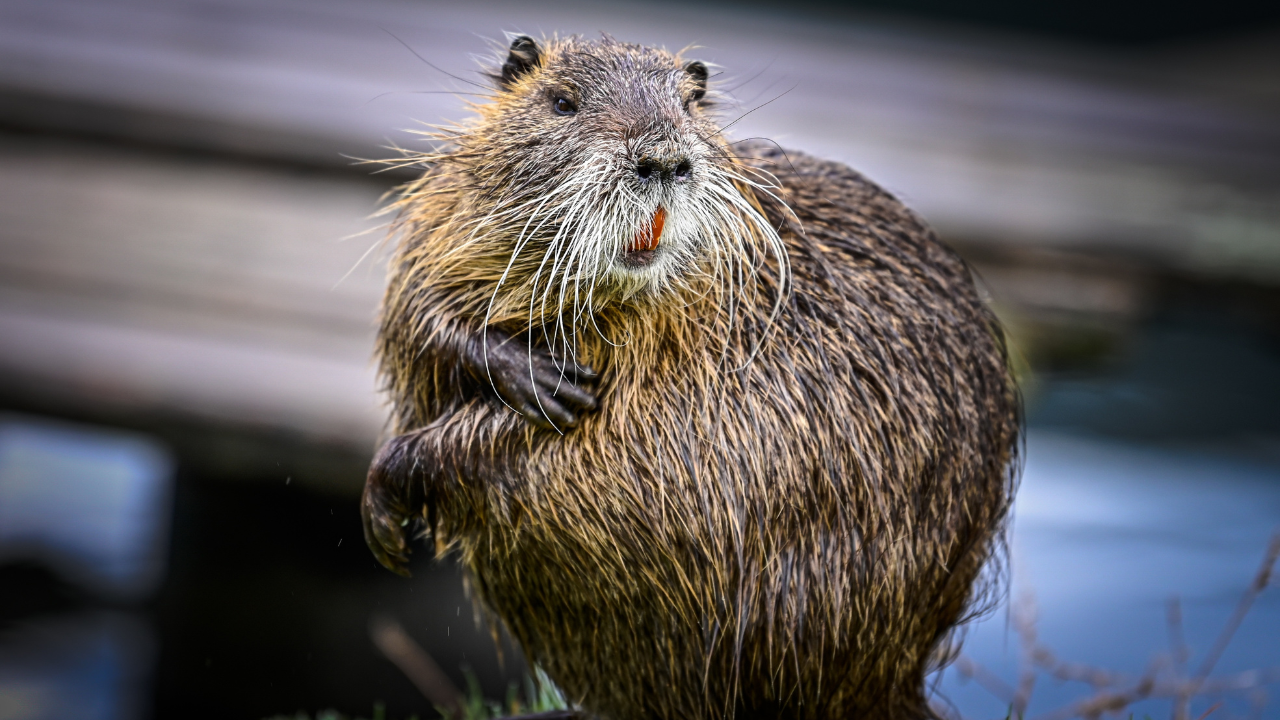
Nature has a funny way of showing up when you least expect it. For nearly two decades, a specific California creek remained quiet, devoid of nature's greatest ecosystem engineer. Then, a beaver showed up. After 19 years of absence, this single rodent returned to a California creek, and it's already reshaping its entire habitat.
Most people think of beavers as simple nuisance animals that chew down trees and flood backyards. That is flat-out wrong. They are keystone species. When they build dams, they kickstart a massive chain reaction that restores dry landscapes, cleans polluted water, and brings back endangered wildlife. If you care about the future of our waterways, you need to understand what is happening in places like this California creek right now. For a more detailed analysis into similar topics, we recommend: this related article.
Why Beavers Vanished From California In The First Place
History tells a brutal story. Back in the early nineteenth century, fur trappers hunted California beavers nearly to extinction. Trappers wanted pelts for hats, so they cleared out whole populations without a second thought.
Government agencies and landowners spent decades treating remaining beavers as pests. They tore down dams and relocated animals. People drained wetlands to build farms and expand towns. For further information on this development, in-depth analysis is available at ELLE.
They basically turned wild, rushing, dynamic rivers into sterile drainage ditches. It was a huge mistake. Removing beavers stripped rivers of their natural sponge. Without dams to slow things down, spring snowmelt rushed straight to the ocean. creeks dried up by August. Wildfires burned hotter because the riparian zones lost their moisture. We broke the plumbing of the American West.
The Immediate Impact Of A Single Rodent
When a beaver moves back into a degraded creek, things change fast. Within weeks, the work begins.
The animal cuts down willow and cottonwood trees, dragging them into the channel. It packs mud and sticks together to form a barrier. Water backs up. It spreads out across the floodplain instead of rushing down a narrow, eroded trench.
This process does several vital things immediately:
- It raises the water table, soaking the surrounding soil like a giant underground sponge.
- It traps sediment, preventing erosion and clearing up murky water downstream.
- It creates slow-moving pools that protect young fish from fast currents and predators.
You don't need a degree in biology to see the difference. You just need to walk along the bank. Where there was once a dry, dusty ditch, you now see a thriving, multi-layered wetland.
Why Environmentalists Are Shifting Their Stance
For a long time, traditional wildlife management relied on heavy machinery and expensive engineering projects to restore rivers. Crews would haul in boulders, build artificial riffles, and plant saplings by hand. It cost millions of dollars of taxpayer money.
Then wildlife biologists looked at what beavers do for free.
Animals do the heavy lifting. They work 24/7. They don't need blueprints or federal permits. State agencies in California are finally catching on. Instead of trapping and moving beavers away from conflict zones, groups like the California Beaver Working Group are pushing for coexistence and relocation to restoration sites.
States are issuing permits for "beaver dam analogs" too. These are human-made structures designed to mimic real beaver dams, encouraging actual beavers to move in and take over the maintenance work. It's smart, cheap, and wildly effective.
How Beavers Fight Wildfires Naturally
Let us talk about the elephant in the room: wildfires. California's fire season gets worse every single year. Traditional forestry often focuses solely on thinning trees, but water is the ultimate firebreak.
Beaver ponds create a wide wet zone. When a wildfire sweeps through a canyon, it hits a lush, saturated beaver meadow and often loses its momentum. Fire cannot easily burn wet green plants and deep standing water.
Research from various ecological studies shows that beaver-occupied corridors remain green long after surrounding areas turn to tinder. Animals survive the flames by ducking into ponds or underwater lodges. Birds and mammals find refuge in the unburned green islands left behind. If you want to protect rural communities from catastrophic fires, helping beavers build more wetlands is one of the best tools we have.
The Real Challenges Of Living With Nature
Of course, it is not all sunshine and rainbow trout. Beavers cause real headaches for human neighbors.
When a beaver builds a dam near a culvert, it floods a rural road. When it chews through an expensive ornamental tree in a suburban backyard, homeowners get furious. Water backed up by a new dam can submerge agricultural fields or block irrigation ditches.
You cannot just drop a wild rodent into a human-dominated landscape and walk away. Successful coexistence takes active management. Landowners use flow devices—simple PVC pipes run through beaver dams that let water pass at a controlled level, preventing unwanted flooding while letting the beavers keep their homes.
Property owners also wrap individual trees in wire mesh to stop chewing. It takes a little extra effort, but the ecological payoff is worth the trouble.
What You Can Do To Help Local Watersheds
You do not need to own a creekfront property to make a difference for California's returning wildlife.
Start by looking at local land use policies in your county. Support local conservation districts that fund non-lethal wildlife management instead of automatic trapping. If you live near a creek, stop mowing right up to the edge. Let native grasses, shrubs, and trees grow. That riparian buffer provides the exact food and building materials that wandering beavers need to set up shop.
Educate your neighbors. Most people still view beavers through the lens of old cartoons or outdated pest control mentalities. Share the science. Explain that a muddy creek with a messy pile of sticks is not a sign of neglect—it is a sign of ecological health returning after a very long absence.
Nature is trying to heal itself. Sometimes the best thing we can do is just get out of the way and let the wildlife do the work.


:max_bytes(150000):strip_icc():focal(999x0:1001x2)/jensen-ackles-1-070125-358e53cd0a3f4526b8cd754d95279142.jpg)