Everyone loves a good corporate and municipal redemption arc.
You take an industrial wasteland, clear out the rusted steel, dredge the muck, and pretend you are returning the land to the pristine state it occupied before white settlers decided a roaring river was a mechanical power source rather than a scenic backdrop. That is the consensus pitch behind the multi-million dollar effort to bring back the actual rapids of Grand Rapids. Planners, civic boosters, and heritage groups clutch their pearls over the loss of the original limestone rapids that were paved over and dammed for furniture factories a century ago. They tell you that restoring the churning white water will heal the urban soul, reboot the local economy, and reconnect residents with their watery heritage. Discover more on a similar issue: this related article.
They are selling a fantasy. And it is an expensive one.
I have spent two decades watching cities hemorrhage public funds on romantic environmental nostalgia while ignoring the hard mechanics of urban hydrology and economic reality. Let us look at what the mainstream narrative conveniently sweeps under the rug: the original rapids were a navigational hazard and an ecological bottleneck, and engineering a faux-natural rapid system in the middle of a modern floodplain is an expensive exercise in municipal vanity. Additional journalism by Travel + Leisure highlights related views on the subject.
The Romantic Myth of the Pristine River
Let us start with the basic engineering facts. The Grand River is not a mountain stream. It is a slow-moving, low-gradient waterway draining a massive agricultural watershed. The original "rapids" were essentially a shallow shelf of limestone—about an 18-foot drop over a mile—that created a braided series of fast, rocky riffles rather than majestic canyon drops.
When industrial expansion hit Grand Rapids in the mid-19th century, those rapids did not just disappear into the ether; they were harnessed because they provided the exact kinetic energy needed to turn turbines for the city's booming furniture manufacturing base. The dams and concrete walls built then were not acts of environmental vandalism born of malice. They were rational infrastructure decisions made by people who understood that a roaring, unnavigable river is a terrible place to build a commercial hub.
Fast forward to today, and the current restoration coalition wants to rip out the concrete, reconfigure the riverbed with boulders, and recreate white water to draw kayakers and tourists. Proponents point to cities like South Bend or Charlotte and say, "Look at their whitewater parks! Look at the economic activity!"
Here is the flaw in that logic. Those cities built engineered, closed-loop whitewater courses or leveraged high-gradient rivers with consistent flows. The Grand River in downtown Grand Rapids is subject to wild seasonal swings. During spring melt or heavy rains, it turns into a massive, sediment-laden brown freight train. During late summer droughts, it drops to a sluggish trickle.
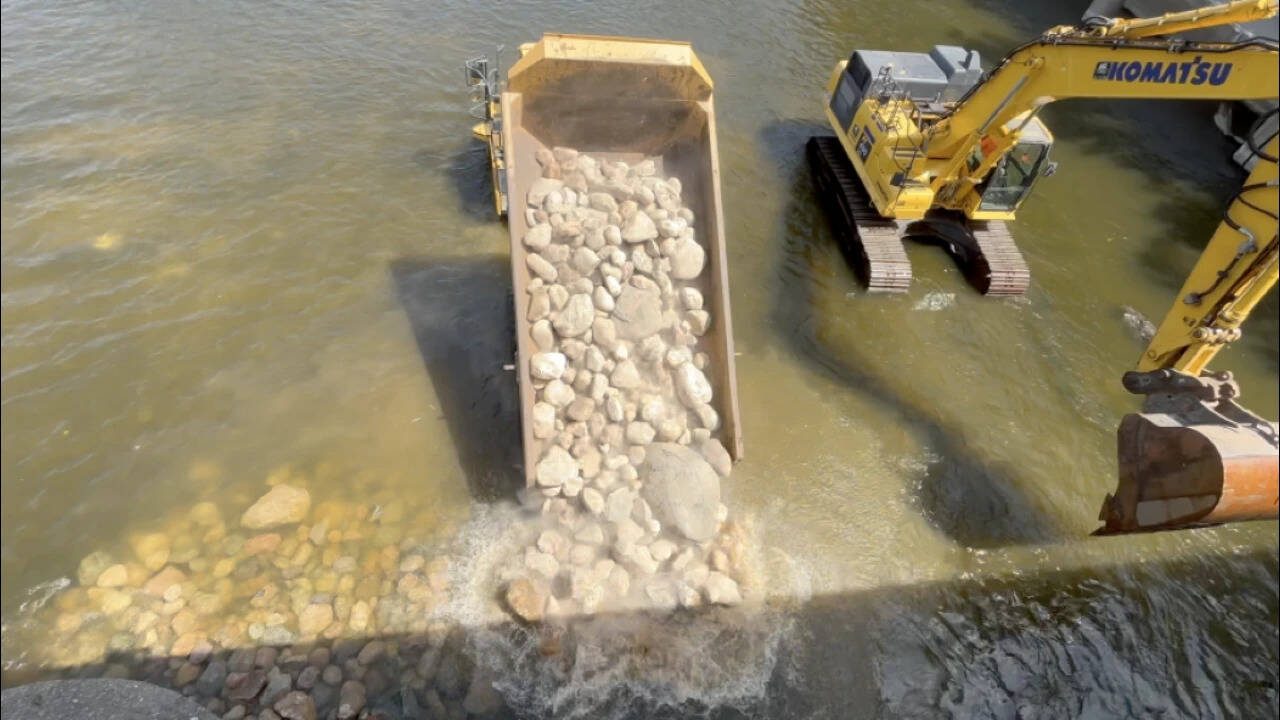
Pouring millions of tons of engineered rock into the riverbed does not change the hydrology. It just creates a high-maintenance aquatic obstacle course that will trap debris, clog with silt, and require constant dredging at taxpayer expense.
Who Actually Benefits from This Playground
Follow the money. Whenever a city announces a massive waterfront revitalization project, look closely at who owns the adjacent parcels.
The push to restore the rapids is heavily fronted by real estate interests and downtown development authorities who know that slapping "riverfront views" and "extreme whitewater recreation" on marketing brochures allows them to command luxury rents for newly constructed mixed-use apartments. That is fine; real estate developers are supposed to make money. But let us stop pretending this is an altruistic crusade for ecological restoration.
Ecologically speaking, tearing out low-head dams can have benefits for migratory fish like sturgeon, and fish passages are entirely sensible. But you do not need to blow fifty million dollars on aesthetic boulder placements and downtown whitewater channels just to let a walleye swim upstream. A fish ladder and targeted dam modifications achieve the biological goal at a fraction of the cost and with zero disruption to the existing urban ecosystem.
Instead, the city is buying into a grand aesthetic overhaul designed for urban professionals who want to sip craft IPAs while watching kayakers navigate artificial riffles. Meanwhile, the underlying stormwater management issues—combined sewer overflows that dump untreated waste into the river during heavy storms—remain secondary priorities because they are not as photogenic as a boulder-strewn rapid.
The Counter-Intuitive Reality of Urban Waterways
If we actually cared about the health and utility of the Grand River, we would stop treating it like a theme park ride and start treating it like working industrial infrastructure that needs to be managed with brutal pragmatism.
Imagine a scenario where municipal leaders redirect that entire nine-figure capital budget away from boulder gardens and toward complete green-infrastructure retrofits upstream. Imagine mandating strict permeable paving across every parking lot in Kent County, buying up agricultural floodplains to act as natural retention sponges, and entirely eliminating combined sewer overflows.
That is not as sexy at a ribbon-cutting ceremony. You cannot take a selfie with a subterranean retention basin. But it would actually clean the water, protect downtown from catastrophic flooding, and stabilize the riverbanks without altering the physical bed of the river in ways we cannot predict or control.
Nature abhors a committee, and she especially abhors a city council with an architectural rendering software package. When you mess with the hydraulics of a major river system to satisfy a nostalgic craving for 1830s topography, you invite unintended consequences. Ice jams in the winter become more dangerous when the riverbed is choked with newly installed boulders. Sediment accumulation alters fish habitats in ways that biologists are already warning about behind closed doors.
The Price of Nostalgia
Cities go broke when they confuse sentimentality with strategy. Grand Rapids built its identity on hard work, manufacturing grit, and practical innovation. The current obsession with turning its industrial river into an adventure sports destination feels less like progress and more like an identity crisis—a desperate bid to rebrand an honest Midwestern manufacturing center as a lifestyle playground for remote tech workers.
If you want to kayak in roaring water, go to Colorado. If you want to build a resilient, financially sound city, you spend your infrastructure dollars on things that keep the basements dry, the water clean, and the tax base stable.
The rapids are gone. They served their purpose, built a great city, and gave way to a modern urban center. Digging them up out of a historical scrapbook is an expensive mistake, and twenty years from now, when the dredging bills start rolling in and the seasonal floods reshape the engineered riverbed into an unpredictable hazard, everyone will pretend they never supported it.
Stop trying to resurrect the past. Fix the plumbing, clean the water, and let the river flow the way geography intended.