Geopolitical friction often starts on the ground with a smartphone camera and a frustrated crowd. When local demonstrators entered the Kherlen Tohoi XXVIII oil exploration area in mid-August 2026, they likely didn't plan on triggering a diplomatic storm between Ulaanbaatar and Beijing. But livestreaming themselves dumping belongings of Chinese workers onto the dirt changed everything.
China's embassy reacted quickly, calling out the security risks and demanding stronger safeguards for its corporate personnel. Within days, senior Mongolian officials were issuing formal apologies. It is a stark reminder of how fragile resource extraction projects are when local economic anxieties clash with foreign investments.
The Flashpoint at Kherlen Tohoi
The incident centers on Mongolia Foison Energy, a local firm backed by Hong Kong-registered Foison Energy Holdings. The company locked down an eight-year production-sharing agreement for the Kherlen Tohoi block back in 2024, committing roughly US$50 million toward exploration.
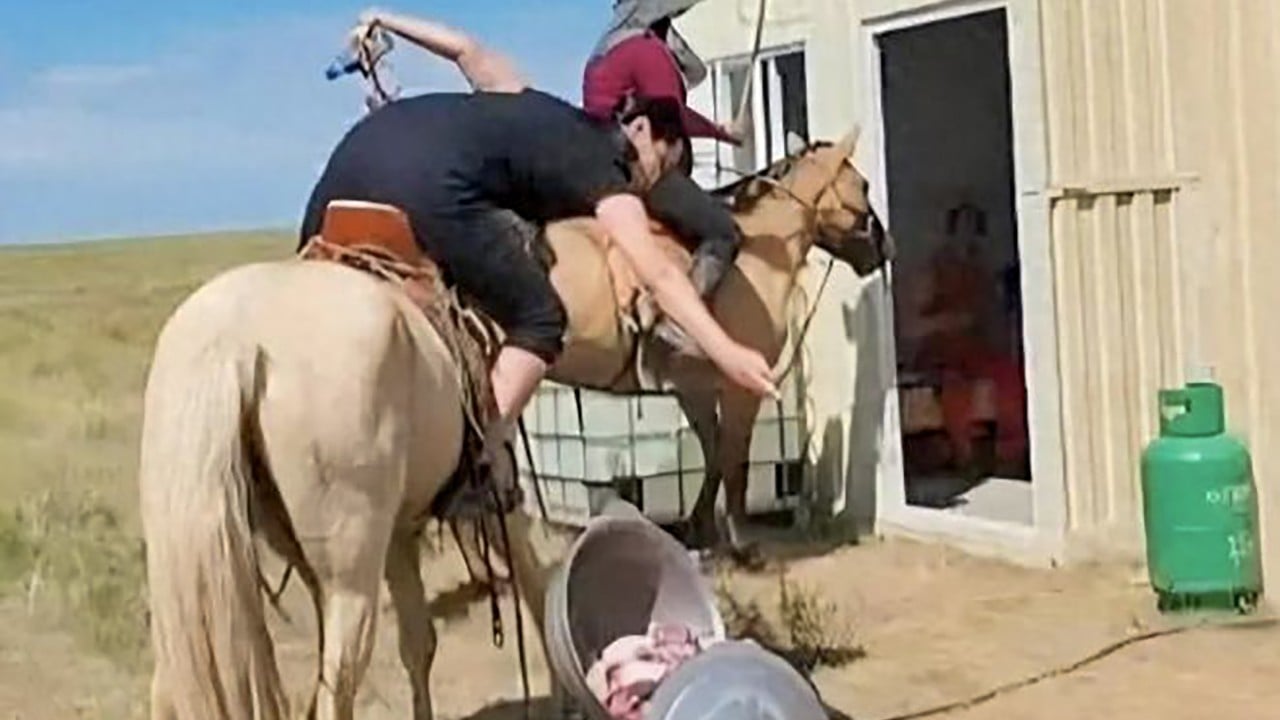
On August 14, citizens marched directly onto the site to halt operations. Social media footage broadcasted the confrontation, showing two women tossing equipment and personal items belonging to Chinese employees onto the ground.
Public dissent against foreign resource extraction isn't entirely new in Mongolia, but targeting an active oil camp and broadcasting it live crossed a red line for foreign investors. Local authorities moved swiftly after the incident, detaining two citizens involved and launching a formal police investigation.
Diplomatic Fallout and Official Apologies
Diplomacy moves fast when energy security is on the line. Cao Li, China's chargé d'affaires, met with B. Dashpurev, state secretary of Mongolia's Ministry of Industry and Mineral Resources, to register serious concerns.
Beijing's message was direct. They want concrete actions to safeguard the legal rights, property safety, and personal security of Chinese staff, alongside guarantees that copycat disruptions will not happen.
Dashpurev responded by offering an apology. He noted that interfering with lawful corporate operations harms Mongolia's broader economic security and national interests. Officials made it clear that illegal camp raids will face zero tolerance from the state.
The Wider Economic Pressures Behind the Tensions
You can't understand these protests without looking at Mongolia's unique economic bind. The landlocked nation sits between two giants, relying heavily on resource exports while importing nearly all its refined oil from Russia and sending its crude shipments across the border to China.
This isn't the first time resource nationalism has boiled over recently. Just two months prior, members of Mongolia's Radical Reform Movement blocked key transport routes used for copper concentrate exports from the Rio Tinto-controlled Oyu Tolgoi mine. Protesters then demanded a fairer slice of mining wealth for average citizens, many of whom grapple with high poverty rates and inflation.
Balancing domestic economic frustration against massive foreign investment is a tightrope walk for Ulaanbaatar. The government relies on foreign capital to develop its vast mineral wealth, yet local populations frequently feel left behind while outside corporations pull out the resources.
Navigating the Third Neighbor Strategy
Mongolia actively tries to dilute its heavy dependence on its immediate neighbors through its well-known "third neighbour" policy. By courting stronger diplomatic and economic ties with nations like the United States, Japan, and India, the country aims to maintain geopolitical breathing room.
Yet geographic reality keeps Beijing and Moscow at the center of everyday commerce. Infrastructure projects, such as the Gashuun Sukhait-Ganqimaodu cross-border railway launched to boost mineral transit, highlight how deeply intertwined the Chinese and Mongolian economies remain.
When small groups disrupt projects like the Kherlen Tohoi oil block, they threaten delicate trade corridors. Expect authorities to crack down harder on unsanctioned demonstrations near foreign-backed operations. Securing foreign investment requires stability, and Ulaanbaatar knows it cannot afford a reputation for lawlessness at industrial sites.