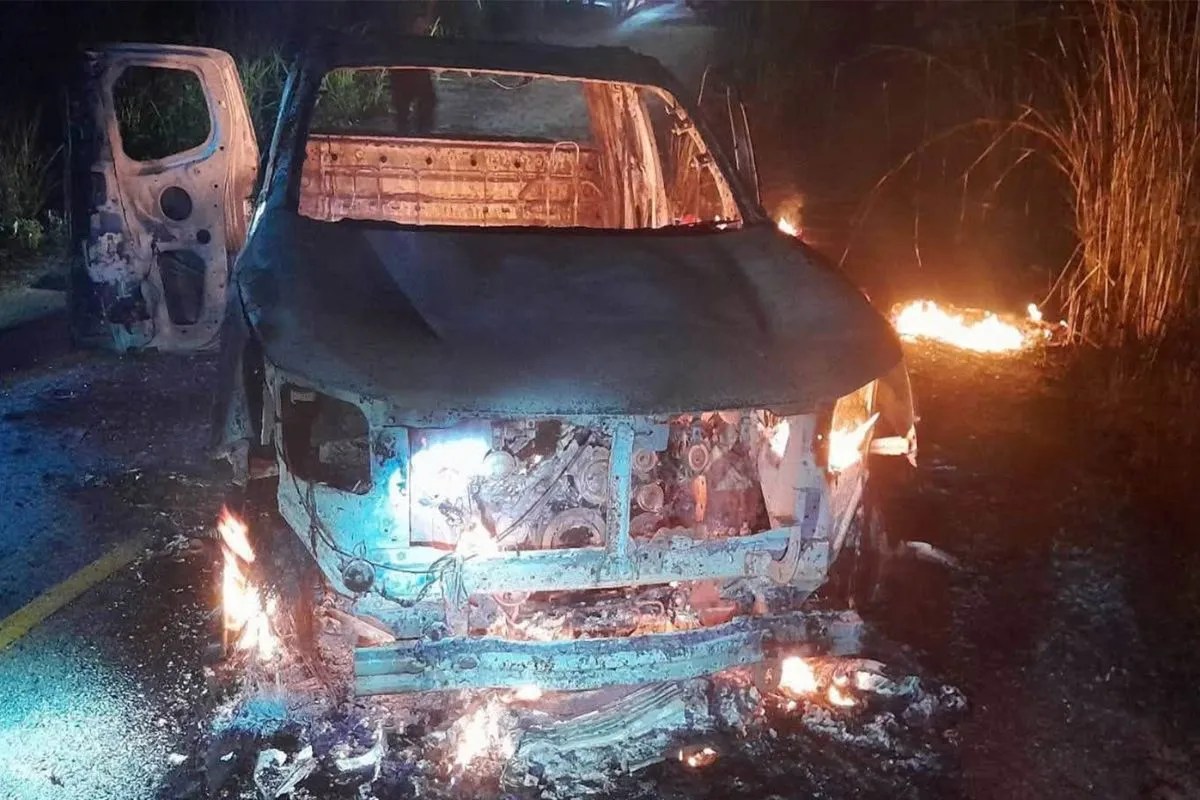
Tropical Storm Bertha pounded the Louisiana coastline before pushing west into Texas, leaving behind flooded streets, downed power lines, and thousands of residents without electricity. While coastal communities routinely brace for tropical weather systems, Bertha highlighted a growing structural problem across the Gulf Coast: aging public infrastructure unable to handle back-to-back rainfall events. The storm delivered tropical-storm-force winds and several inches of sudden, localized rain. The immediate impact was familiar—flooded low-lying roads, disrupted local businesses, and municipal crews working around the clock to clear debris—but the broader fallout exposes how fragile regional power grids and drainage networks remain when tropical systems strike in quick succession.
The Cumulative Impact of Back-to-Back Systems
A single tropical storm can cause millions of dollars in localized damage. When a system like Bertha follows previous rainfall events, however, the damage compounds exponentially. The primary issue isn't always the wind speed; it is ground saturation.
When soil reaches maximum saturation, additional rainfall has nowhere to go except into drainage systems that were often engineered decades ago for lower population densities and less intense storm events. Drainage canals in parish networks across southern Louisiana quickly reached capacity during Bertha, forcing water back onto secondary roadways and into residential neighborhoods.
Power utilities face a similar compounding threat. Soil saturation weakens the root structures of large trees along power line right-of-ways. Moderate wind gusts from a tropical storm—gusts that healthy trees normally withstand—end up uprooting mature oaks and pines, taking down utility poles and critical transformers. Restoration crews then face a double challenge: repairing damaged electrical lines while navigating flooded access roads.
Electrical Grids Under Severe Pressure
Utility companies routinely invest millions into grid hardening, replacing wooden poles with concrete structures and burying select distribution lines. Yet storm events like Bertha demonstrate the limits of these incremental upgrades.
Grid vulnerability during a tropical system generally stems from three distinct failure points:
- Substation Inundation: Low-lying substations remain susceptible to storm surges and overland runoff. Once floodwaters submerge critical electrical transformers, entire circuits must be de-energized to prevent catastrophic hardware failure.
- Vegetation Management Failures: Tree trimming along rights-of-way is expensive and subject to local property rights disputes. Unmaintained branches remain the leading cause of power disruptions during lower-tier tropical events.
- Logistical Bottlenecks: Getting repair crews into affected areas requires clear transit routes. When local road networks submerge, power restoration delays mount quickly, extending outages from hours to days.
Local microgrids and localized battery storage facilities offer a potential countermeasure to these systemic failures. By decentralizing power distribution, key facilities like hospitals, water treatment plants, and emergency shelters can remain operational even when the primary grid fails. However, municipal adoption of microgrid technology remains slow due to high upfront capital costs and regulatory hurdles.
The Economic Consequences for Coastal Businesses
For small business owners along the Gulf Coast, the disruption caused by a tropical storm extends far beyond immediate physical property damage. Supply chain interruptions, lost revenue days, and rising commercial insurance costs present serious long-term challenges.
Consider a small manufacturing or logistics operation based in southern Louisiana. A three-day power outage disrupts production schedules, causes perishable inventory loss, and creates shipping delays that cascade down the supply chain to regional distributors.
Rising Insurance Premiums and Coverage Gaps
Commercial property owners face a steep increase in insurance premiums across states bordering the Gulf of Mexico. Insurance carriers have systematically reassessed risk models, leading to higher deductibles for windstorm and flood coverage. In many cases, policyholders face severe coverage limits that leave them underinsured when a mid-level storm hits.
The table below outlines the structural operational challenges local businesses encounter during and immediately following a tropical storm event:
| Risk Category | Immediate Effect | Operational Consequence |
|---|---|---|
| Power Interruption | Shutdown of physical facilities | Loss of point-of-sale systems, spoilage, missed delivery deadlines |
| Transportation Blockages | Submerged access roads | Workforce absenteeism, delayed inventory shipments |
| Water Intrusion | Direct structural damage | Costly physical repairs, delayed reopening, mold remediation |
| Communication Outages | Cellular network failure | Inability to coordinate field staff or communicate with customers |
Public Policy and Civil Engineering Solutions
Addressing the systemic risks highlighted by storms like Bertha requires moving away from reactive emergency responses toward proactive structural engineering and policy reform. Civil engineers and urban planners point to several essential initiatives that can mitigate future storm impacts.
First, regional water management strategies must shift toward green infrastructure. Traditional concrete drainage channels accelerate runoff, often overwhelming downstream neighborhoods. Implementing retention basins, permeable pavements, and restored wetlands allows land to absorb excess water naturally, lowering the peak volume entering drainage networks.
Second, state regulators need to incentivize utility providers to accelerate grid modernization efforts. Requiring tougher standards for vegetation clearing, expanding the selective undergrounding of critical distribution feeders, and upgrading flood defenses around electrical substations are vital steps toward building grid resilience.
Finally, local zoning boards must re-examine development permissions in flood-prone zones. Continuing to permit heavy commercial or dense residential construction in areas with known drainage deficits guarantees higher economic losses during subsequent tropical weather events.
Building resilient coastal communities requires realistic assessments of current infrastructure limits and sustained financial investment long before the next storm system enters the Gulf.