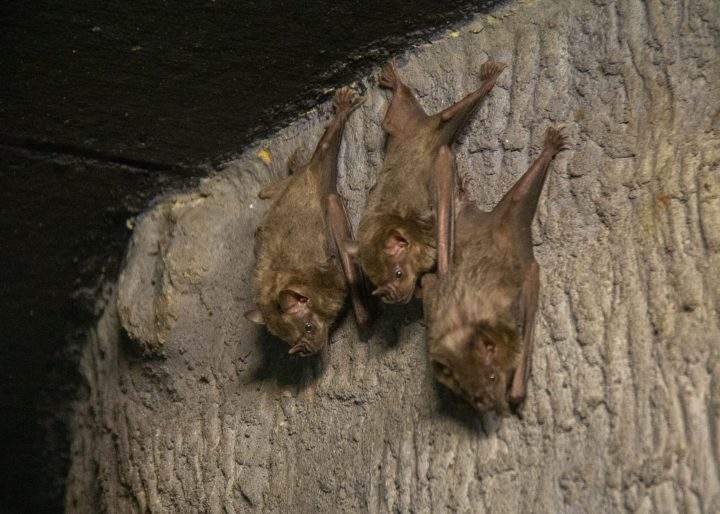
The feel-good PR machine is spinning again. This time, it is celebrating the reopening of the Edmonton Valley Zoo’s nocturnal wing after months of renovations. The local news coverage follows a predictable script. There are shiny new glass panels, optimized red lighting, promises of enhanced educational opportunities, and a vague sense of civic pride.
It sounds like progress. It is not.
The lazy consensus in modern zookeeping assumes that if you spend enough money on a facility facelift, you are automatically improving the lives of the animals inside. This is a fundamental misunderstanding of biological needs versus human entertainment. Flipping the circadian rhythm of a creature so a kid on a school trip can see a bat move at 2:00 PM is not conservation. It is an artificial compromise that benefits the ticket buyer, not the specimen.
We need to stop pretending these retrofits are revolutionary victories. They are expensive band-aids on an outdated model of public interaction.
The Illusion of the Reversed Day-Night Cycle
The core mechanic of any nocturnal exhibit relies on a simple deception: flood the enclosure with bright white light at night to force the animals to sleep, and use dim red light during the day to trick them into thinking it is nighttime.
The industry justification is that red light is invisible to most nocturnal mammals. This is scientifically inaccurate. Research across comparative ophthalmology demonstrates that while many nocturnal species lack red cones, they still possess rods that detect the intensity of light. Red light does not equal total darkness; it equals twilight.
Imagine spending your entire life in a permanent state of dusk, never experiencing true, deep darkness, while a revolving door of loud omnivores stares through a pane of glass.
I have spent over a decade analyzing captive wildlife environments. I have seen facilities pour millions into advanced lighting arrays, only for cortisol testing to reveal the animals remain chronically stressed. The human ear might not hear the low-frequency hum of the new HVAC units installed to keep those enclosures cool, but a fennec fox hears it constantly. The human eye might think the red glow looks cozy, but to a slow loris, it is a perpetual, unnatural twilight that never fades to actual night.
Why Education is the Wrong Justification
The primary defense for keeping these exhibits open is public education. The argument goes: if people cannot see these creatures active, they will not care about saving them in the wild.
This premise is deeply flawed.
- The Staring Problem: Visitors spend an average of less than one minute per enclosure. They do not leave with a profound understanding of nocturnal ecosystems; they leave with a casual observation that an animal looked "cute" or "creepy" while eating a piece of fruit.
- The Normalization of Captivity: Showing children an animal that has had its biological clock artificially inverted teaches them that nature is a commodity to be manipulated for our viewing convenience.
- The Resource Drain: The capital required to maintain specialized air filtration, reverse-cycle lighting, and humidity control in a sub-arctic climate like Edmonton is astronomical. Those funds do not go toward protecting real habitats; they go toward paying the utility bill for a concrete bunker.
The Financial Reality Nobody Wants to Talk About
Let us look at the economics. Zoos are trapped in a capital expenditure cycle. To keep attendance numbers steady, they must constantly announce new attractions or major renovations.
The Edmonton Valley Zoo operates under a master plan that aims to modernize facilities, which is a noble goal on paper. But when you look at the return on investment for specialized nocturnal wings, the math fails the animals. A million-dollar renovation might spark a 5% spike in weekend attendance for one season. Once the novelty fades, you are left with the exact same structural problem: a highly demanding, energy-inefficient space that keeps a small number of animals in a highly restrictive environment.
If a fraction of that renovation budget were redirected to in-situ conservation projects—directly funding anti-poaching units or habitat restoration in the native countries of these species—the net positive impact on global biodiversity would be exponentially higher. But you cannot sell tickets to a habitat restoration project 8,000 miles away. You need a physical asset on the ground in Alberta.
Dismantling the Myth of Enrichment
Zoos often point to "enrichment programs" within these renovated spaces as proof of high welfare standards. They hide food inside logs, use scent trails, and introduce puzzle feeders.
While enrichment is necessary in captive environments, it is often used to mask the inherent limitations of the space. No amount of hidden mealworms can compensate for the lack of a true canopy, the absence of natural wind currents, or the inability to forage across miles of territory.
The brutal honesty is that a nocturnal wing is designed around human architecture, not animal geography. The enclosures are vertical or horizontal boxes designed to fit within a specific footprint in a park. The renovation might add prettier artificial rockwork or cleaner glass, but the volume of the cage remains fundamentally the same.
The Unconventional Alternative
The hard truth that the industry refuses to admit is that certain types of exhibits should simply be phased out. The nocturnal wing is a relic of 20th-century zoo design, right alongside concrete bear pits and monkey islands.
Instead of spending millions to reverse the internal clocks of specialized species, forward-thinking institutions should pivot to digital and immersive educational spaces for nocturnal wildlife. Use high-definition infrared camera feeds from actual conservation sectors. Show the animals thriving in their real elements, in real-time, on massive interactive displays.
This approach eliminates the ethical compromise of captivity, slashes operational overhead, and provides an authentic look at animal behavior that a dim, crowded physical room can never replicate.
Stop funding the endless cycle of enclosure facelifts. Stop celebrating the reopening of spaces that rely on biological deception. The best way to respect nocturnal wildlife is to leave them in the dark.