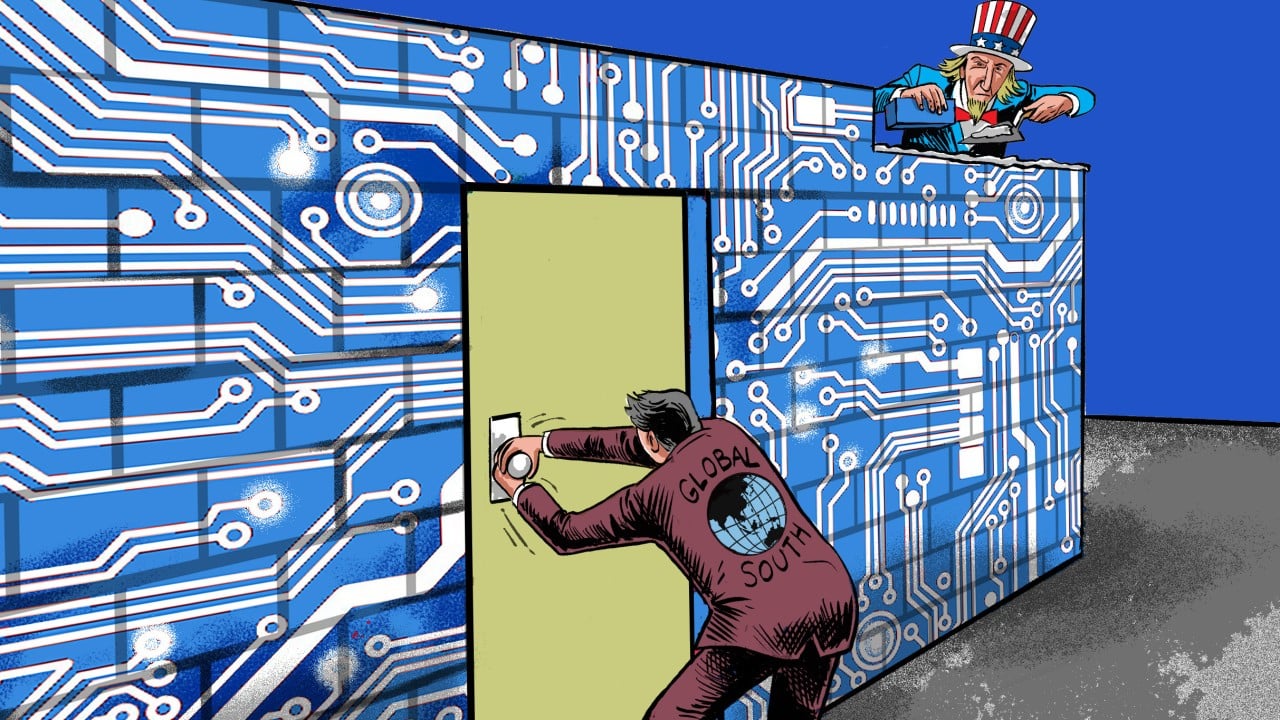
Stop celebrating. The "breakthrough agreement" you’re reading about in the trade rags isn't a victory for decentralization. It’s a surrender. The industry is begging for chains, convinced that if they just help the blacksmith forge the iron, the shackles will feel a little lighter. They won't.
For years, the loudest voices in the space have been screaming for "regulatory clarity." They want a seat at the table in D.C. They want the legitimacy that comes with a rubber stamp from the same institutions that crypto was literally invented to bypass. Be careful what you wish for. When you ask for a "framework" from a legacy system, you aren't getting a foundation; you’re getting a cage.
The current push for legislation is a desperate attempt by venture capitalists to protect their exits and by centralized exchanges to moat their businesses against actual innovation. It has nothing to do with "protecting consumers" and everything to do with ossifying a radical technology into a boring, compliant sub-sector of the traditional financial system.
The Myth of the Breakthrough Agreement
The narrative is simple: Lawmakers and industry leaders finally found common ground. They’ve reached a "historic" compromise that will provide the certainty needed for institutional capital to flow.
Here is the truth they won't tell you: Uncertainty is the only reason crypto still has a soul.
The moment you define a digital asset through the lens of 1930s securities laws or 1970s banking regulations, you kill its ability to evolve. These "agreements" are usually just a list of concessions. The industry agrees to play by the rules of the SEC or the CFTC, and in exchange, they get the privilege of spending millions on compliance officers instead of developers.
I’ve sat in these boardrooms. I’ve seen the panic when a protocol actually works as intended—permissionless and unstoppable. The suits don't want unstoppable. They want "stop-able with a phone call from a regulator." That way, they can control the flow. They want to turn the Wild West into a gated community where they hold the keys.
Why Clarity is a Trap
"We just want to know the rules."
This is the mantra of the defeated. The rules of math are clear. The rules of cryptography are absolute. The "rules" these lobbyists are chasing are subjective, political, and designed to favor the incumbent.
If you need a 500-page bill to tell you how to launch a token, you aren't building a decentralized future. You’re building a bank with a slower database.
- Compliance is a Moat: The biggest players in crypto—the ones with the $100 million lobbying budgets—actually want complex regulation. Why? Because they can afford it. A startup with three founders and a brilliant idea can't afford a $50,000-a-month legal retainer just to stay on the right side of a vague disclosure requirement. Regulation doesn't stop scams; it stops competition.
- The "Security" Stigma: The debate over whether an asset is a security or a commodity is a distraction. The real question is whether an asset requires a middleman to function. By inviting lawmakers to categorize these assets, we are admitting that we believe a central authority has the right to gate-keep human exchange.
- Institutional Rot: Everyone is waiting for the "Big Banks" to arrive. Why? To pump your bags? If the survival of your "decentralized" technology depends on BlackRock getting comfortable, you’ve already lost. The goal was to replace them, not to become their junior partner.
The Fraud of Consumer Protection
Every politician backing these bills uses "consumer protection" as a shield. It’s the ultimate moral high ground. Who could be against protecting Grandma from a rug pull?
But look at the track record. Did the heavy regulation of the 2000s prevent the 2008 crash? Did the existence of the SEC stop FTX? No. In fact, FTX was the poster child for the "compliant" path. SBF spent more time in D.C. than almost anyone else in the industry. He was the one calling for the very legislation people are now cheering for.
Consumer protection in the hands of the state is usually just a way to ensure that only the wealthy are allowed to take risks. The "Accredited Investor" laws are the perfect example. They don't protect the poor from losing money; they protect the poor from getting rich. They ensure the best deals stay in the hands of the elite. Crypto was supposed to be the Great Equalizer. Legislation will turn it back into a walled garden.
Decentralization is Unlegislatable
You cannot regulate a protocol any more than you can regulate a math equation. You can only regulate the people who interact with it.
The breakthrough agreements being discussed focus on "on-ramps," "custodians," and "intermediaries." This is a fundamental misunderstanding of the technology. If a protocol is truly decentralized, there is no one to subpoena. There is no one to send a Wells notice to.
The "insiders" pushing for this legislation are the ones who can be subpoenaed. They are the ones with offices, bank accounts, and CEOs. They are bargaining with your freedom to secure their business models.
Imagine a scenario where the internet was "regulated" in 1995 by the post office. We would have ended up with a digital version of the mail, where every email required a digital stamp and every website had to be licensed by the government. We would have never seen the explosion of the social web, streaming, or e-commerce. That is exactly what we are doing to the "Internet of Value."
The Actionable Truth: Stop Waiting for Permission
If you are a builder, stop looking toward D.C. for the green light. If you wait for the law to be "clear," you are already too late. The biggest opportunities in history have always lived in the gray areas.
- Build for Resistance, Not Compliance: If your protocol can be shut down by a regulatory change, it isn't decentralized. Focus on censorship resistance at the base layer.
- Ignore the Price Action: The "Institutional Inflow" narrative is a trap for retail. Wall Street will use these new laws to front-run you, not to help you.
- Privacy is the Only Defense: The coming legislation will move toward heavy KYC (Know Your Customer) requirements for even the most basic peer-to-peer interactions. This isn't about taxes; it's about surveillance. Privacy tools are not "shady"—they are the only way to maintain the original promise of crypto.
The Cost of the "Seat at the Table"
When you sit at the table with regulators, you aren't a guest. You’re on the menu.
The crypto industry thinks it's playing a sophisticated game of 4D chess with the government. It’s actually playing checkers against a regime that owns the board and can change the rules at any time. Every "breakthrough" is a inch given toward a total takeover of the digital economy.
We are watching the death of the cypherpunk dream in real-time, drowned out by the applause of people who are happy to trade their sovereignty for a 10% bump in their portfolio. They call it "maturity." I call it a funeral.
Legislation won't fix crypto. It will just make it look exactly like the system we tried to escape. The breakthrough isn't that the government is finally listening; the breakthrough is that the industry has finally stopped fighting.
If you want a regulated, safe, insured, and state-sanctioned financial product, use a bank. That’s what they’re for. If you want a revolution, stop asking for permission to start one.
The ink on these "historic" agreements will barely be dry before the first lawsuits are filed to restrict your right to self-custody. The lawmakers aren't your friends. The lobbyists aren't your saviors. The code is the only thing that matters.
Everything else is just noise designed to keep you compliant while they build the digital panopticon.
Stop cheering for your own obsolescence.