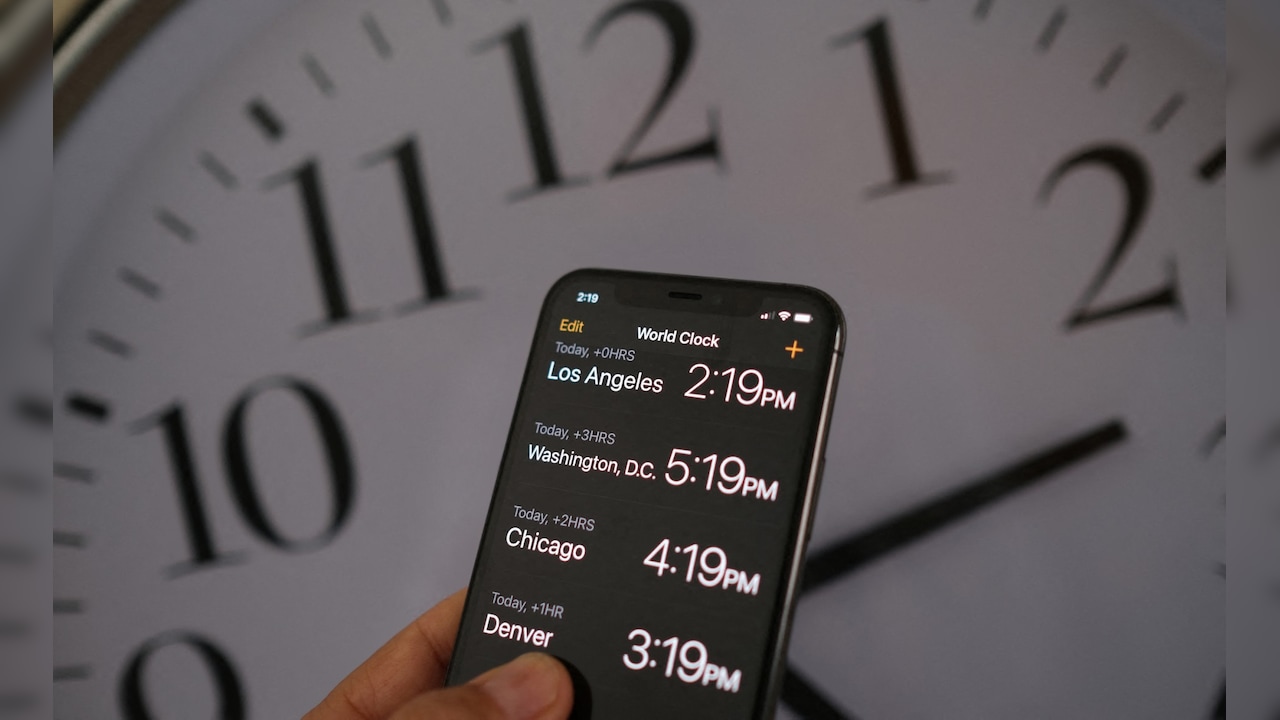
On Tuesday, July 14, 2026, the US House of Representatives did something that felt, on the surface, like a collective sigh of relief. In a massive 308-117 bipartisan vote, lawmakers passed the Sunshine Protection Act. This bill wants to kill the twice-yearly clock changes once and for all. It wants to make daylight saving time permanent across most of the United States.
If you are tired of waking up groggy every March, this probably sounds like a dream. No more losing an hour of sleep. No more messing with your microwave clock. But don't celebrate just yet.
Making daylight saving time permanent is a massive mistake. Honestly, it is a disaster waiting to happen, and history has already proved it. We are running headfirst into a policy that sounds great in a campaign speech but feels miserable on a freezing January morning.
The Pitch That Hooked Congress
Everyone hates the clock change. It's an outdated ritual that modern life simply doesn't need. The House vote on Tuesday reflected that frustration. Supported by 193 Republicans, 114 Democrats, and one independent, the bill represents a rare moment of unity in a divided Washington.
Supporters argue that year-round daylight saving time will rescue our evenings. It means more sun after work. It means kids can play outside later in the winter. It means a boost for local businesses, especially golf courses and outdoor restaurants, which stand to make a lot of money with an extra hour of late-day light. Even President Donald Trump has been beating this drum for years. He called the biannual clock change ridiculous. He pushed the idea that Americans want a longer, brighter day. Florida Republicans like Vern Buchanan and Anna Paulina Luna have spearheaded the effort, painting a picture of endless, sunny afternoons.
But there is a dark side to this extra afternoon sun. Literally.
To get that extra hour of light at 5:00 p.m. in December, we have to steal it from the morning. That means winter sunrises will be pushed back to brutal hours. In places like the Midwest and the northern states, the sun wouldn't rise until nearly 9:00 a.m.
Imagine waking up, getting dressed, and sending your kids to the school bus stop in pitch-black darkness. It is not just depressing. It is dangerous.
We Already Tried This and It Failed Miserably
Americans have short memories. The truth is, we have run this exact experiment before.
In the winter of 1973, during a severe energy crisis, Congress decided to enact permanent daylight saving time to save fuel. The law went into effect in January 1974. At first, the public loved the idea. Approval ratings for the change were up around 79 percent.
Then winter actually arrived.
Suddenly, millions of children were walking to school in the freezing, dark mornings. In Florida, several children were hit by cars and killed on their way to school in the dark. The outrage was immediate and fierce. Parents were terrified. Commuters hated the dark, sluggish morning drives.
By March, public support plummeted. Congress realized they had made a terrible mistake. They quickly repealed the law and went back to the old system in October 1974. We tolerated permanent daylight saving time for less than a year before begging for standard time to come back.
It is baffling that we are about to make the exact same mistake fifty years later.
What Your Body Actually Needs
Politicians love to talk about what people want. They rarely talk about what the human body actually needs.
The biological reality is that our internal clocks run on sunlight. When the sun rises in the morning, the blue light enters our eyes and signals our brain to stop producing melatonin, the sleep hormone. This wakes us up naturally, boosts our mood, and sets our metabolism for the day.
Standard time aligns our clocks with the sun. Under standard time, midday is close to when the sun is actually at its highest point.
Daylight saving time shifts everything. It forces us to wake up an hour before the sun naturally coaxes us awake. When you do that permanently, you live in a state of chronic circadian mismatch. You are essentially living with permanent jet lag.
A major study out of Stanford compared the health impacts of permanent standard time, permanent daylight saving time, and the seasonal switch. The findings were stark. Moving permanently to standard time was predicted to reduce cases of obesity by 2.6 million and slash strokes by 300,000 cases. Permanent daylight saving time did not offer those same health benefits.
The American Academy of Sleep Medicine and dozens of other health organizations have pleaded with Congress for years to stick to permanent standard time if they want to end the clock changes. Morning light helps us stay alert. Darker evenings prepare our brains to wind down and sleep.
By forcing permanent daylight saving time, we are prioritizing afternoon shopping over deep, restorative sleep. It is a terrible trade.
The Looming Fight in the Senate
Thankfully, the House vote does not mean the bill is law yet. The Sunshine Protection Act still has to pass the Senate.
The Senate did pass a version of this bill back in 2022 by unanimous consent, but that was largely a fluke. Several senators later admitted they didn't realize the bill was passing and would have objected if they had been paying attention. The bill died in the House back then.
This time, the dynamics are different. The House has delivered a lopsided victory, but the Senate is not a guaranteed rubber stamp.
Opponents like Senator Tom Cotton of Arkansas are ready to fight. Cotton has pointed out that year-round daylight saving time will force children in many states to commute in the dark. Representative Mary Gay Scanlon of Pennsylvania has also pushed back, advocating for permanent standard time instead.
There are geographic divides at play here. If you live in sunny Florida, permanent daylight saving time sounds great. Your winter mornings are still relatively bright. But if you live in Michigan, Ohio, or Washington, your winter mornings will be dark, cold, and miserable.
The bill does have an escape hatch. Under current federal law, states can choose to opt out of daylight saving time and remain on year-round standard time. Hawaii and most of Arizona already do this. The new bill would allow other states to opt out and choose permanent standard time too, but they have to act quickly before the law takes effect.
This could create a chaotic patchwork of time zones. Imagine driving across state lines and having your clock jump back and forth because one state chose standard time and its neighbor chose daylight saving time. It would be a nightmare for logistics, airlines, and anyone who commutes across state lines for work.
How to Prepare for the Potential Shift
If the Senate passes the bill and it becomes law, we will have to adapt. It will require major lifestyle changes to protect our health and safety.
First, focus on artificial morning light. If the sun is not rising until 8:30 a.m., you need to trick your brain. Invest in a high-quality light therapy lamp or a sunrise alarm clock. Turn it on as soon as you wake up to help block melatonin production and clear the morning brain fog.
Second, re-evaluate your morning commute. If you walk or bike to work, or if your kids walk to school, you will need high-visibility gear. Reflective vests, blinking lights, and extreme caution will be mandatory for those dark winter mornings.
Third, keep a strict bedtime routine. With the sun setting later in the evening, your body will naturally want to stay awake longer. Resist the urge. Use blackout curtains to block out the late-evening light and keep your bedroom cool and dark.
We all want to stop turning the clocks back and forth. The twice-yearly change is annoying. But choosing permanent daylight saving time over permanent standard time is a choice of convenience over health. We are ignoring our biology, and if history is any guide, we will regret it before the first winter is over.