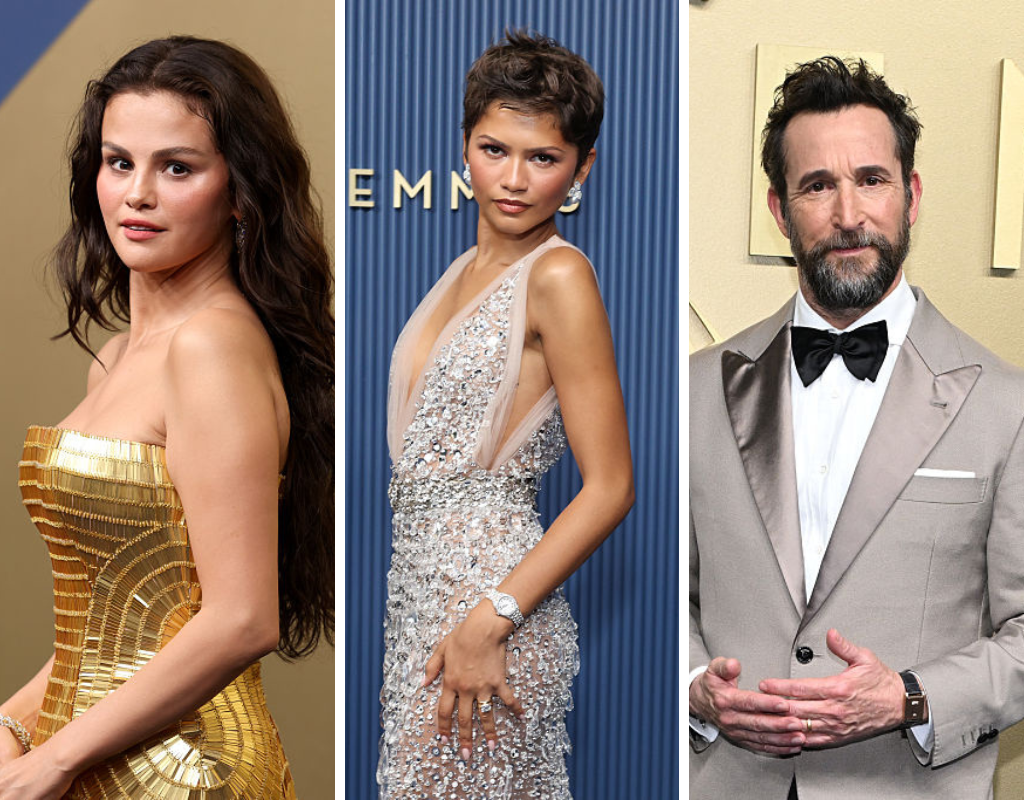
We spent millions of dollars and thousands of hours celebrating the 2026 Emmy Awards red carpet as a triumph of high fashion, yet we were actually watching a glorified cosplay convention for billionaires.
For decades, the standard media narrative has treated award show fashion as the pinnacle of cultural achievement. Photographers line the barricades, commentators swoon over custom silk gowns, and glossy magazines rank the best and worst dressed with surgical precision. We are told this is artistic expression, haute couture at its finest, and a vital extension of the television industry's creative output. If you enjoyed this article, you should read: this related article.
That premise is entirely bankrupt.
Let us dispense with the polite fiction. The modern award show red carpet is no longer a showcase of personal style or tailoring craftsmanship. It is a billboard. It is a walking, breathing media buy managed by publicists, powered by luxury conglomerates, and rented out to actors who have about as much input into their wardrobe as a NASCAR driver has over the decal placement on their vehicle. For another look on this event, check out the recent coverage from BBC.
I have watched stylists pull their hair out behind the scenes, scrambling to secure loans from European design houses that dictate every accessory down to the millimeter. When an outlet breathlessly declares that a star brought a fresh perspective to the carpet, they are usually describing a heavily negotiated corporate sponsorship disguised as a vintage archive look.
The lazy consensus in entertainment journalism is that these garments represent cultural moments. They do not. They represent risk aversion. In an era where every pixel of a celebrity's outfit is dissected by algorithms and subjected to instant digital outrage, stylists have stripped away genuine eccentricity. Every major star looks like they were styled by an Excel spreadsheet designed to maximize social media impressions without offending a single conservative shareholder or alienating a single global market.
Consider the obsession with the dress of the night. Millions of viewers tune in hours before the actual trophies are handed out just to watch famous people walk down a strip of synthetic felt. We judge their posture, critique their tailoring, and debate whether a diamond necklace belongs on the left wrist or the collarbone. Meanwhile, the actual medium being honored—television writing, directing, and acting—gets reduced to a pre-show red carpet runway preamble.
The counter-intuitive truth is simple. The worse the fashion gets, the more aggressively publicists try to convince you it is groundbreaking.
When a gown requires three handlers just to get up a flight of stairs, that is not art. That is a mobility hazard engineered entirely for a ten-second TikTok loop. When an actor wears a transparent plastic shell or a dress made of recycled trash bags, we are asked to applaud their bravery. But bravery in fashion is not wearing something uncomfortable or bizarre for the cameras. Bravery is wearing something that actually reflects individuality rather than a stylist's contractually obligated mood board.
The economics of the carpet explain the rot. Luxury brands do not lend dresses out of the goodness of their hearts. They pay millions in placement fees, fitting bonuses, and global marketing tie-ins. The celebrity becomes a human mannequin, and the red carpet becomes the world's most expensive infomercial masquerading as a cultural event.
If you want to understand why Hollywood feels increasingly plastic and disconnected from reality, look no further than the carpet outside the theater. It is an ecosystem built on mutual delusion, where studios pretend they are supporting high art, brands pretend they are patrons of culture, and audiences pretend they are watching a democratic display of glamour.
Stop treating these red carpet appearances as fashion history. They are corporate leasing agreements. The next time an awards show rolls around, skip the pre-show entirely, watch the actual work, and let the mannequins stand alone in the rain.