When aerial projectiles breach the airspace of a heavily defended capital, the psychological fallout matters just as much as the physical damage. Recent Houthi-claimed strikes hitting King Khalid International Airport in Riyadh have thrust Saudi Arabia's strategic resilience into the global spotlight. For years, the kingdom's massive defense modernization programs and advanced Patriot battery configurations were marketed as an impenetrable shield against asymmetric threats. But these recent escalations are forcing military analysts and Riyadh officials to confront a harsh reality: keeping a complex, sprawling economy open to the world while managing persistent aerial threats is an exhausting balancing act.
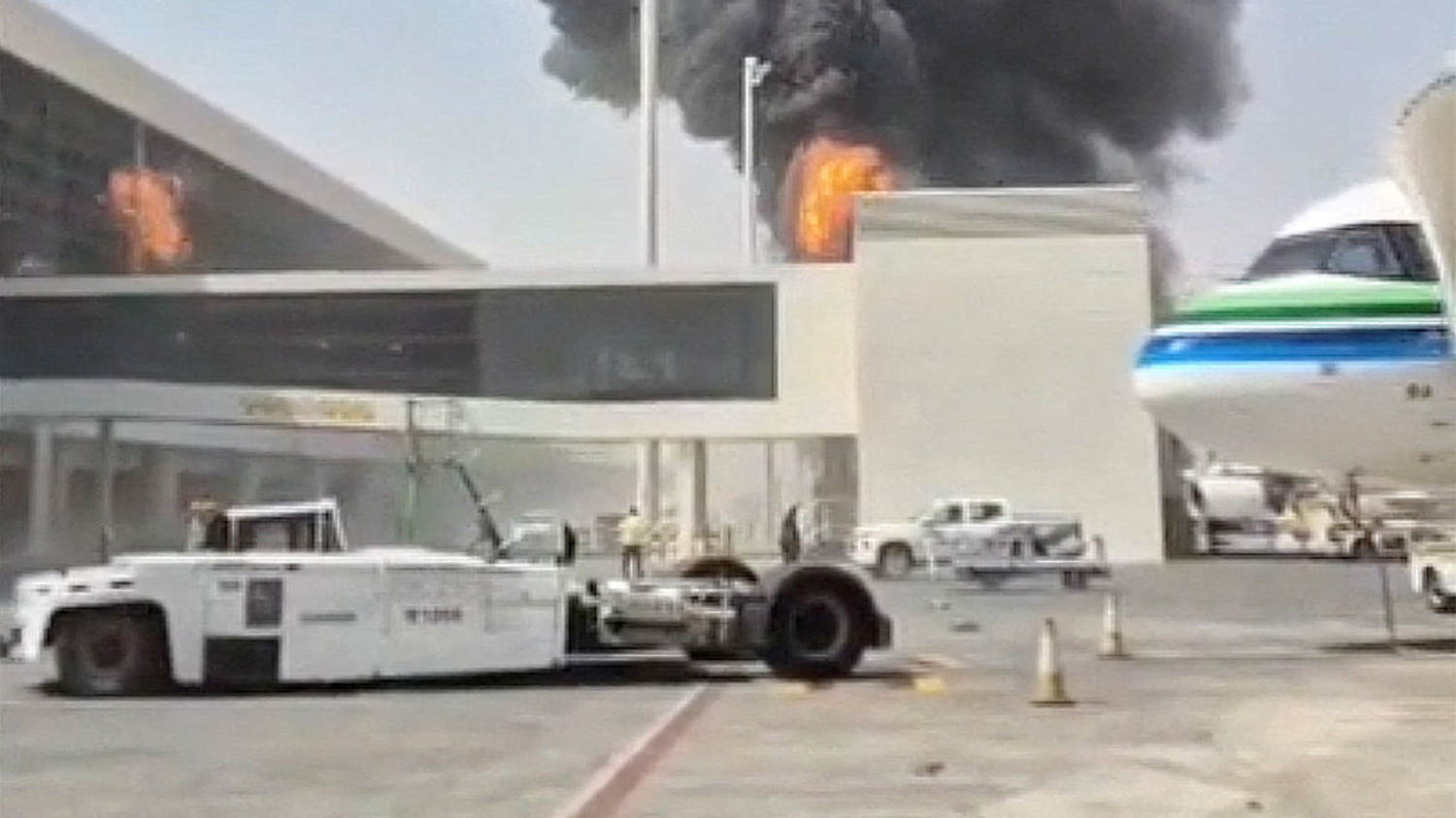
Let's look at what actually happened on the ground. Multiple projectiles breached terminal areas, leading to tragic casualties, immediate flight suspensions, and international carriers temporarily halting routes into the capital. When major hubs like Riyadh face multi-day closures or severe capacity restrictions, the ripple effects hit global aviation analytics, regional tourism goals, and investor confidence. It isn't just about repairing concrete and glass. It's about maintaining the momentum of Vision 2030 projects when regional stability faces sudden shocks.
The Real Challenge of Asymmetric Air Defense
You cannot easily deter a non-state armed movement using conventional military doctrines alone. Traditional air defense systems are designed to intercept fast-moving threats, but constantly firing multi-million-dollar interceptors at low-cost drones creates an unsustainable economic mismatch.
- The Interceptor Cost Curve: Firing high-end missiles at cheap incoming tech drains stockpiles fast.
- The Civilian Hub Dilemma: Airports are meant to be open, porous, and accessible. Hardening them against ballistic threats without destroying their commercial utility is nearly impossible.
- The Psychological Factor: International passengers and foreign investors watch flight tracking apps closely. When major global airlines pull out or pause schedules, the economic message travels faster than any missile.
Saudi leadership has responded with strong rhetoric, emphasizing that the kingdom's resilience is being tested and vowing decisive measures. Yet, military experts note that the real fix requires a dual-track strategy. Riyadh must upgrade active missile defense integration while simultaneously leaning on diplomatic frameworks to dry up the sources fueling these cross-border attacks.
What Comes Next for the Region
The stakes go far beyond a single damaged terminal or a temporary flight cancellation. Global energy markets and Red Sea transit routes remain deeply tied to how Riyadh manages this security pressure. If the kingdom absorbs these blows while pushing forward with economic diversification, it sends a clear signal that its long-term transformation isn't easily derailed.
Expect tougher airspace security measures, tighter integration with regional partners, and zero hesitation from Riyadh to answer provocations with heavy force. The days of treating these cross-border strikes as minor nuisances are over.
Houthi missile attack on Riyadh airport: Saudi Arabia vows resilience
This video provides an in-depth breakdown of the recent security escalations around Riyadh's international airport and the strategic implications for Saudi defense.