Rumors of extreme violence or targeted attacks at transport hubs like Kuwait International Airport spread like wildfire online, causing instant panic among millions of families back in India. When headlines report or hint at an Indian national losing their life abroad, the panic is real. But if you look past the sensationalized social media threads and dive into actual diplomatic data, the true safety picture for the blue-collar diaspora in the Gulf looks very different from what the internet fear machine wants you to believe.
Sensational rumors often mask the structural vulnerabilities that migrant laborers actually face every single day. Security at major infrastructure hubs in Kuwait remains incredibly tight, heavily guarded by state security forces. Random acts of terror at the terminal aren't the primary threat you need to worry about. The real dangers are far more systemic, quiet, and tied to legal vulnerabilities, workplace safety, and sudden shifts in local labor laws.
Understanding the actual security matrix in Kuwait keeps you safe and helps protect your family members working abroad. Let's look at what is actually happening on the ground.
How Safe Are International Gateways in the Gulf
Kuwait International Airport operates under strict security protocols managed by the Ministry of Interior. It's a highly fortified environment. The state treats its primary transit hub as a critical national security asset, meaning heavy police presence, continuous surveillance, and rigorous baggage screening are the norm.
Mass casualty attacks or targeted assassinations of foreign workers at the airport simply don't align with verified security reporting from the region. The Overseas Indian Affairs division of the Ministry of External Affairs keeps close tabs on diaspora safety. Their reports consistently show that when Indian citizens face physical danger or fatalities in Kuwait, it almost always stems from industrial workplace accidents, harsh living conditions in overcrowded labor camps, or domestic disputes rather than public acts of terrorism.
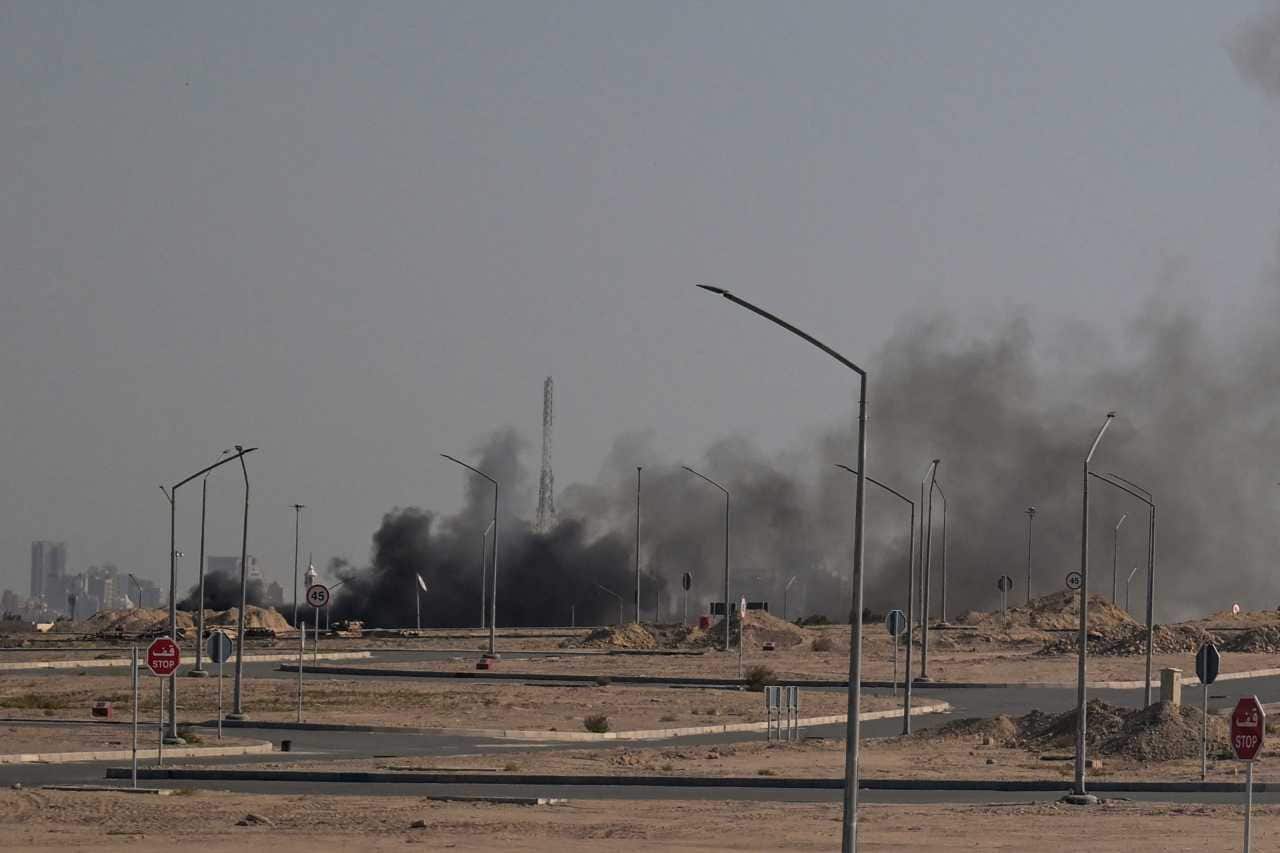
Security threats do exist, but they look like geopolitical tensions affecting regional airspace rather than gunmen in the lobby. For instance, past regional conflicts involving drone threats across the Arabian Peninsula have forced temporary halts to flights, but ground security within Kuwait itself has remained remarkably stable.
The Real Vulnerabilities Indian Expats Face
The Indian community forms the largest expatriate group in Kuwait, numbering around one million people. They keep the economy running. Yet, the legal framework they operate under creates distinct safety and security challenges that don't make the front-page news.
The Kafala sponsorship system ties a worker’s legal residency directly to their employer. This dynamic creates an immense power imbalance. It prevents workers from leaving abusive situations or reporting unsafe working conditions out of fear of immediate deportation or retaliatory absconding charges.
- Industrial safety failures: A significant number of preventable deaths occur on construction sites in areas like Jahra and Ahmadi due to inadequate heat protection during the blistering summer months.
- Residential fires: Overcrowded, substandard housing blocks in worker districts like Mangaf pose severe safety risks, as seen in catastrophic building fires that have claimed dozens of Indian lives due to blocked exits and lack of fire safety compliance.
- Legal isolation: Many domestic and construction workers don't speak Arabic and lack easy access to legal aid, leaving them isolated when contracts are violated or environments become hostile.
When an Indian worker dies in Kuwait, the narrative often gets distorted during the journey back to their home village. A tragic workplace accident or a sudden medical emergency brought on by extreme heat can easily turn into a rumor of a violent attack by the time it hits local WhatsApp groups.
What the Indian Embassy Can and Cannot Do
When an emergency happens abroad, the Indian Embassy in Kuwait City is the first line of defense. The Indian Community Welfare Fund exists specifically to assist citizens in distress, covering airfare for stranded workers, emergency medical care, and the repatriation of mortal remains.
But diplomacy has its limits. The embassy cannot bypass Kuwaiti sovereign law. If a worker gets entangled in a legal battle, faces false allegations from a sponsor, or finds themselves detained for visa violations, Indian diplomats can provide a list of local lawyers and send officials to visit detention centers, but they cannot force a release.
True protection starts long before you clear customs at the airport. It relies heavily on pre-departure verification and using official government channels rather than trusting unauthorized sub-agents who promise high salaries but deliver illegal visas.
Essential Protocols to Protect Yourself Before You Fly
If you or a family member are planning to travel to Kuwait for work, stop relying on informal advice from social media. You need to follow verified state protocols to ensure you don't end up stranded, exploited, or unsafe.
Verify the legitimacy of the employment offer through the eMigrate system managed by the Government of India. This platform ensures that the foreign employer is registered and meets minimum wage and safety standards.
Keep digital copies of your passport, visa, and employment contract stored securely in the cloud and shared with trusted relatives back home. Never surrender your phone or identity documents to anyone other than official immigration officers at the airport terminal.
Memorize the emergency helpline numbers for the Indian Embassy in Kuwait. Register your presence through the official diplomatic portals immediately upon arrival. Taking these steps builds a safety net that protects your life and your livelihood far more effectively than worrying about viral internet rumors.