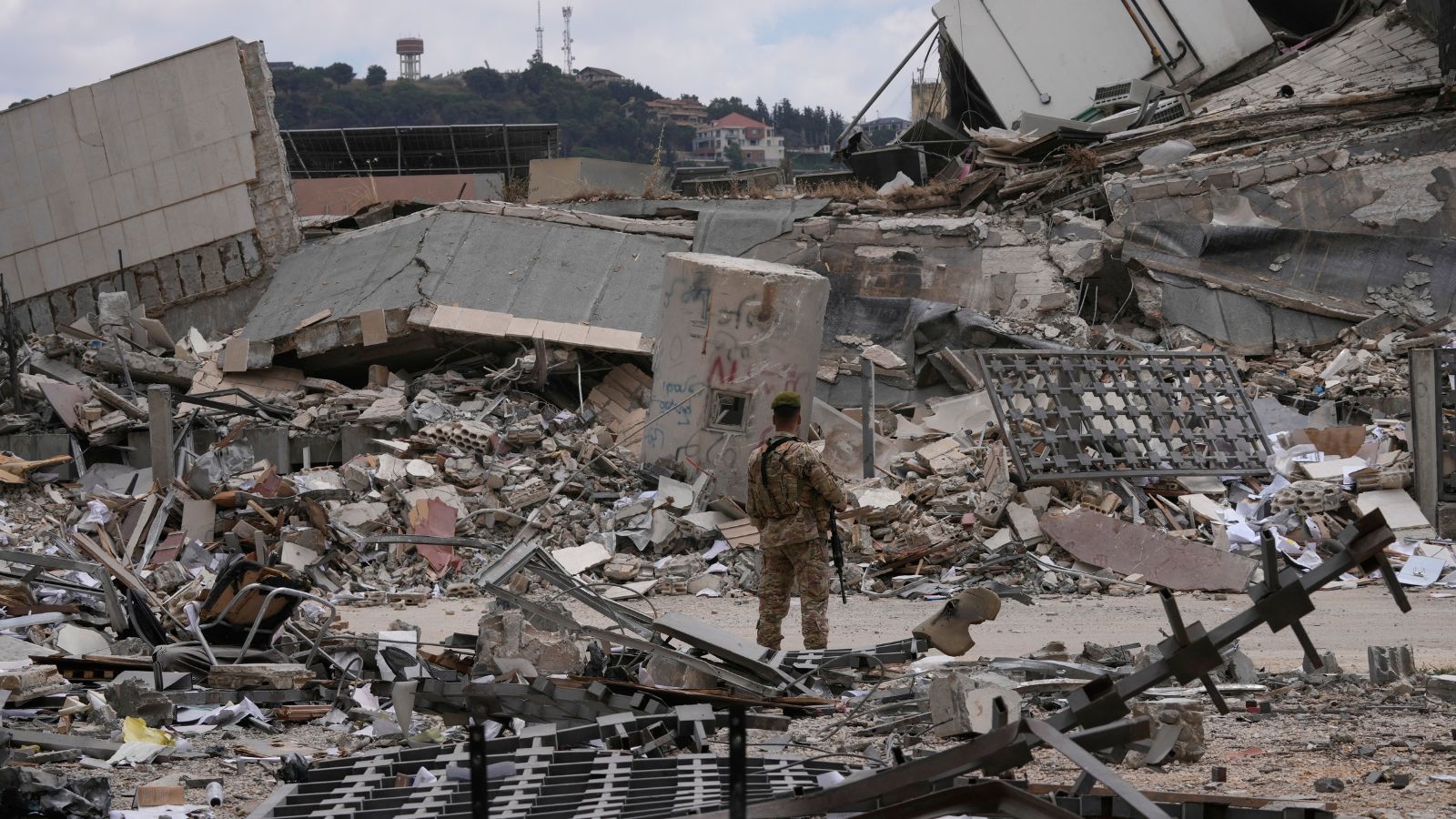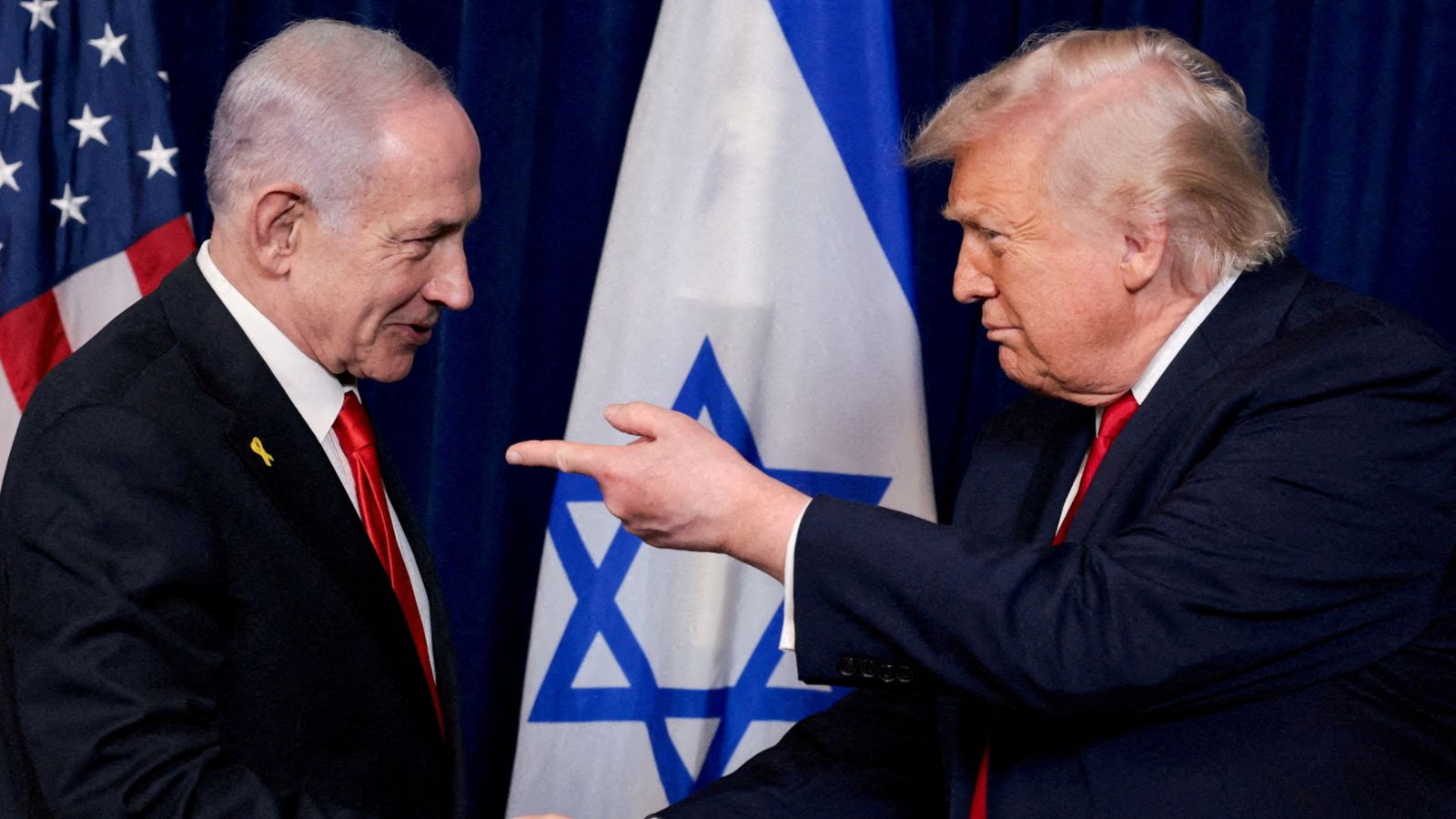
The United States Senate just delivered a 50-48 vote passing a concurrent war powers resolution to halt military hostilities against Iran, a move framed by critics as a purely symbolic gesture that President Donald Trump will effortlessly ignore. By deploying a concurrent resolution, Capitol Hill bypassed the executive veto pen entirely, but also stripped the measure of standard statutory enforcement mechanisms. Yet, dismissing this historic vote as toothless Beltway theater fundamentally misreads the deeper constitutional crisis unfolding in Washington. For the first time since the joint U.S.-Israeli strikes initiated this conflict in February, a fractured legislature has formally revoked its implicit consent, setting up a brutal legal and financial showdown over the future of American foreign policy.
Beneath the partisan sniping lies an undeniable reality. Congress is attempting to claw back its foundational Article I war-making powers after decades of executive overreach. While the White House confidently claims that a fragile April ceasefire means no active "hostilities" exist from which to withdraw, the Pentagon is simultaneously quietly asking lawmakers for a staggering $80 billion to fund the Iran campaign and backfill depleted munitions stockpiles. This glaring contradiction reveals the true leverage now held by Capitol Hill. Trump may dismiss the war powers resolution on social media, but he cannot fund a war with internet posts.
The Illusion of Executive Invincibility
For decades, the War Powers Resolution of 1973 has been treated by successive administrations as an unconstitutional nuisance rather than a binding constraint. The Trump administration has already signaled it views this latest legislative maneuver through a similar lens. White House officials argue that because the measure is a concurrent resolution, it lacks the force of law.
This argument ignores the strategic trap Congress has laid. House Foreign Affairs Committee Ranking Member Gregory Meeks has already pledged to pursue all legal avenues to enforce the text of the resolution. If the executive branch continues to deploy assets, order strikes, or maintain an offensive posture against Tehran without explicit authorization, it will face an immediate challenge in federal court.
The impending legal battle will not merely cover abstract constitutional theories. It will center on a concrete financial chokehold. Defense Secretary Pete Hegseth needs billions of dollars to sustain operations in the Middle East. By formally declaring the war unauthorized, the bipartisan coalition in Congress has erected a massive barrier to passing any future supplemental defense spending bills. Lawmakers who voted to halt the conflict will find it politically impossible to turn around and write a blank check for its continuation.
The Cracks in the Republican Coalition
The math behind the 50-48 Senate victory exposes a profound shift in the political landscape ahead of the November midterm elections. The conflict has grown deeply unpopular with an American electorate weary of soaring domestic fuel costs and the loss of 14 U.S. service members. This public discontent finally fractured the Republican voting bloc.
Four Republican senators broke ranks to vote alongside Democrats. Susan Collins of Maine, Lisa Murkowski of Alaska, Bill Cassidy of Louisiana, and Rand Paul of Kentucky formed an ideologically diverse rebellion that the White House failed to suppress. While individual motivations varied from Paul’s strict non-interventionism to Collins’s institutional institutionalism, the collective result shattered the illusion of total executive control over the party.
The vote was further enabled by the strategic absences of Republicans Mitch McConnell and Dave McCormick, illustrating that even those who historically oppose war powers limits chose not to expend political capital shielding the administration from a public rebuke. On the Democratic side, John Fetterman of Pennsylvania stood as the sole defector to vote against the resolution, demonstrating that regional political pressures cut both ways.
The $300 Billion Peace Deal Grievance
The timing of this legislative rebellion is directly linked to growing fury over the administration’s opaque diplomatic maneuvers. Vice President JD Vance has been dispatched to Switzerland to hammer out a settlement intended to resolve the conflict, yet the details leaked from the memorandum of understanding have deeply alienated lawmakers on both sides of the aisle.
The core of the outrage centers on a proposed $300 billion reconstruction fund intended to help Iran rebuild. For perspective, this sum dwarfs the $1.7 billion financial transfer authorized during the Obama administration in 2015, an agreement that Republicans spent a decade criticizing. Prominent conservatives have openly balked at the idea of borrowing billions of American taxpayer dollars to rebuild an adversary their own military just finished bombing.
| Key Elements of the Contentious U.S.-Iran Diplomatic Framework |
|---|
| $300 Billion Reconstruction Fund: Slated for Iranian infrastructure deployment, drawing fierce bipartisan criticism in Washington. |
| 60-Day Negotiation Clock: Initiated by a signed memorandum of understanding to finalize a broader nuclear inspection agreement. |
| Strait of Hormuz Transit: Secretary of State Marco Rubio insists the international shipping lane must remain entirely toll-free. |
Redefining Hostilities for the Modern Era
The executive branch’s defense hinges on a semantic loophole. The administration claims that because a ceasefire was reached on April 7, U.S. forces are no longer engaged in active hostilities, rendering the war powers directive moot.
Capitol Hill aides involved in drafting the resolution reject this narrow definition. They point out that hundreds of U.S. troops remain stationed in high-risk zones, and naval assets continue to enforce aggressive blockades. Leaving hundreds of service members in a combat theater while claiming a state of peace exists is an unsustainable rhetorical position. The resolution explicitly permits a limited presence to deter imminent attacks against the United States or its allies, but it strips away the authority to conduct pre-emptive strikes or permanent offensive campaigns.
The true significance of this vote is not that it will instantly freeze American operations in the Middle East. Its value lies in how it fundamentally alters the risk calculus for the executive branch. Every deployment, every naval maneuver, and every dollar spent on the Iran conflict from this point forward will be executed under the shadow of an explicit congressional prohibition. When an administration operates in direct defiance of both chambers of Congress, it loses the political cover required to survive foreign policy disasters. Trump may insist the resolution is meaningless, but the coming budget battles will prove otherwise.